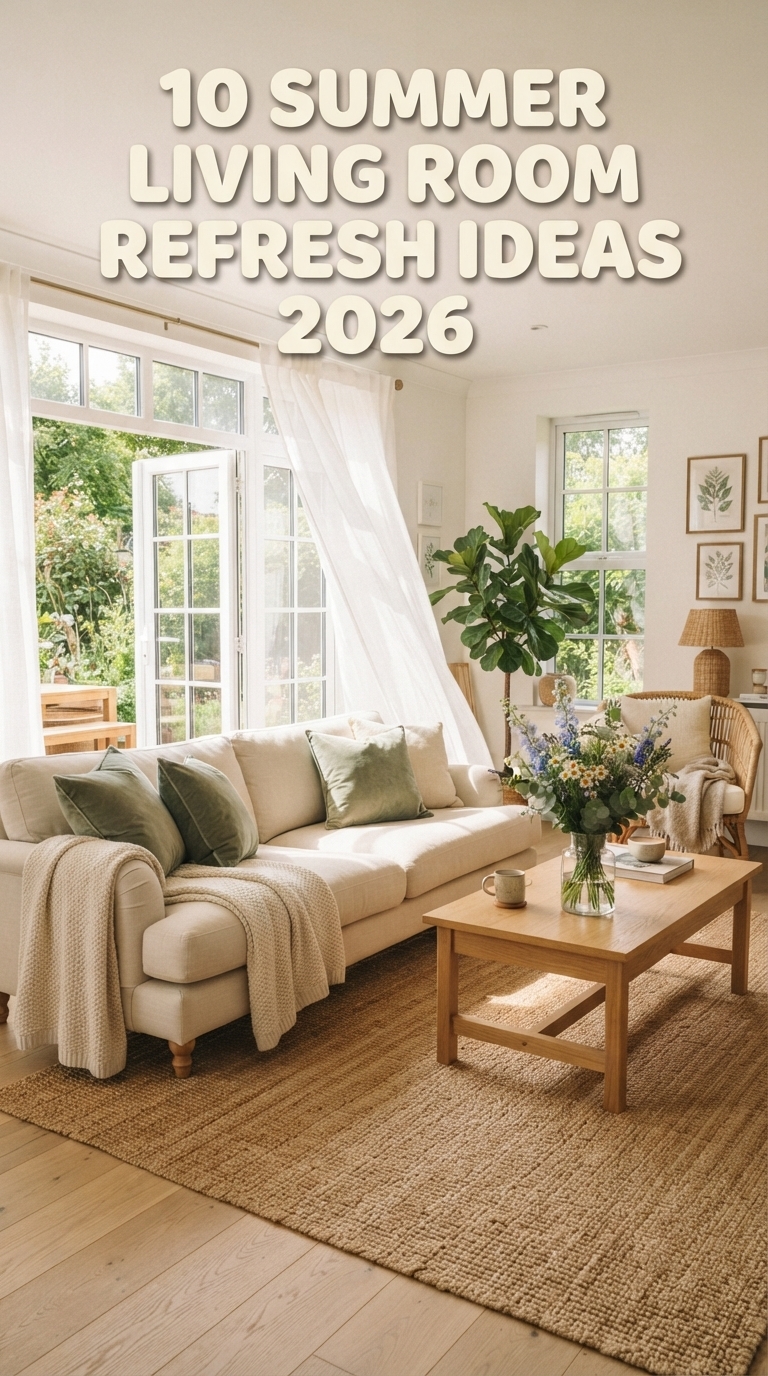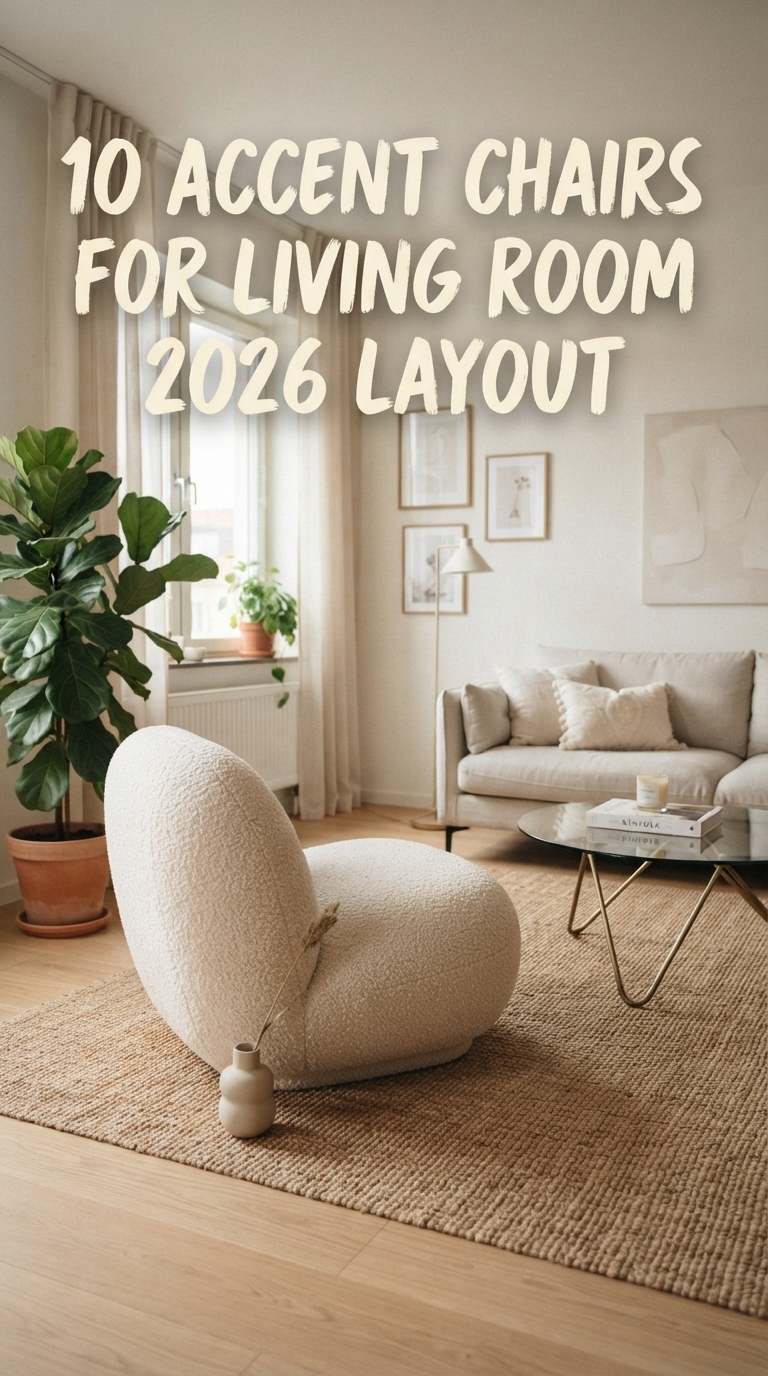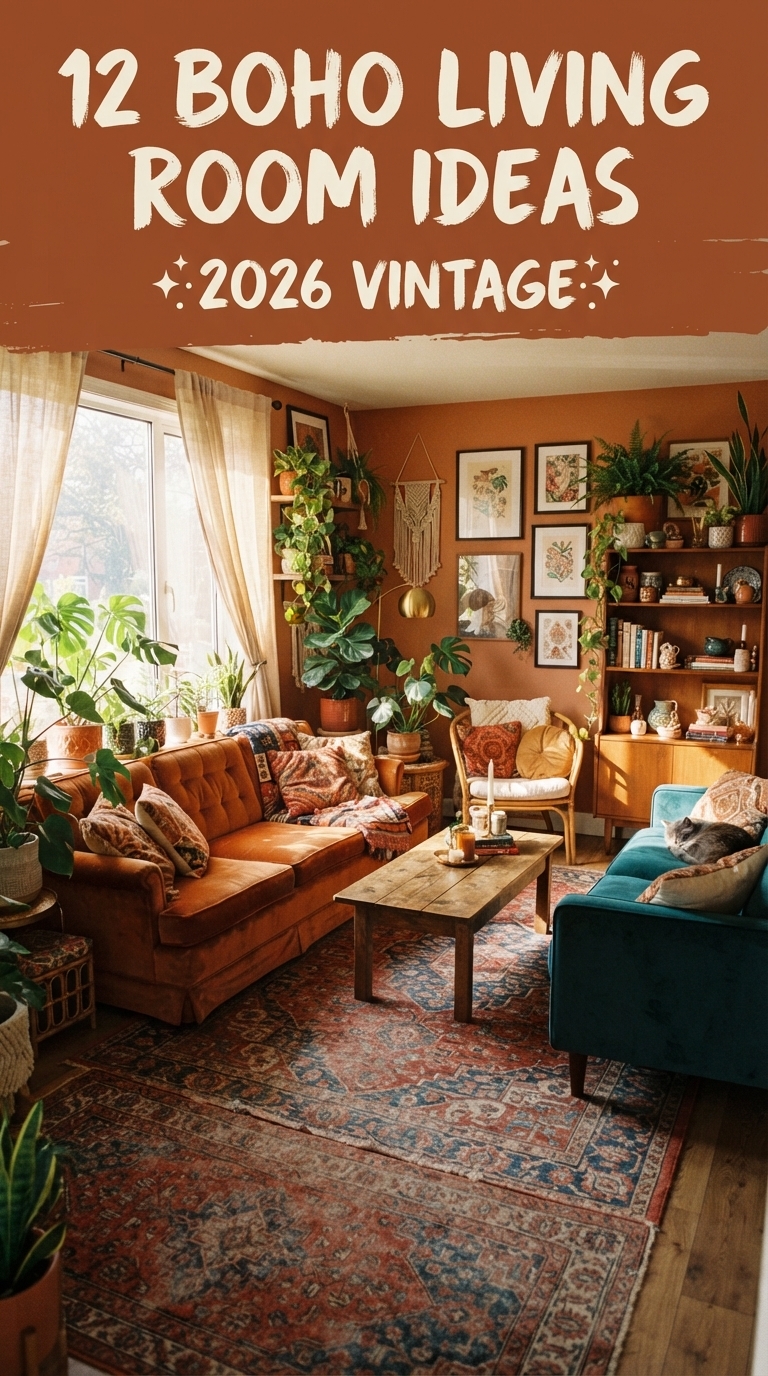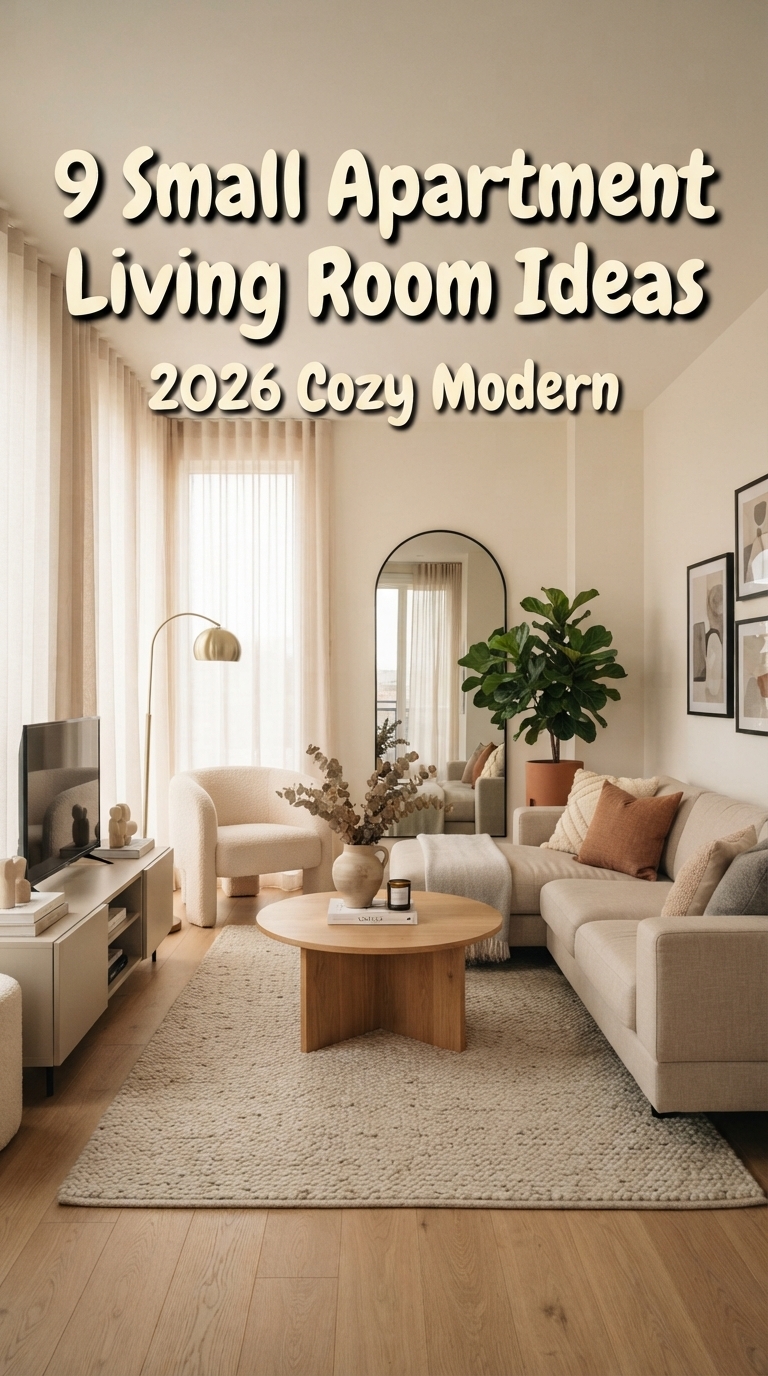
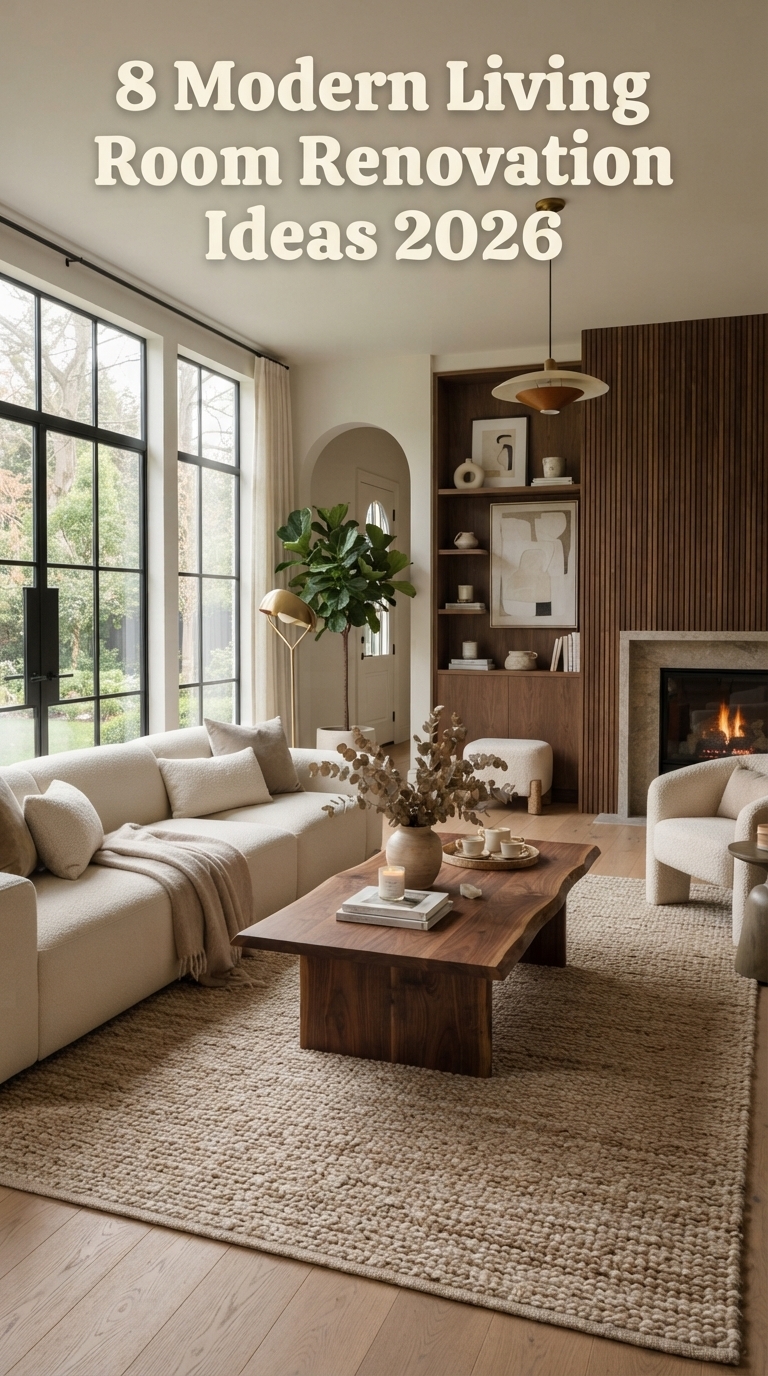
Refreshing your living room for 2026 is all about blending high-function comfort with organic, sculptural silhouettes that make a house feel like a curated home. As we move away from stark minimalism, the focus shifts toward tactile luxury, layered lighting, and personal storytelling through design. Whether you are aiming to open up a cramped floor plan or simply want to introduce more soul into your seating area, these renovation ideas provide a roadmap for a stylish transition. We have gathered the most impactful updates to help you create a space that balances modern sophistication with genuine, everyday livability. Let’s explore these eight ways to transform your living room.
1. Soft Organic Curves and Rounded Furniture
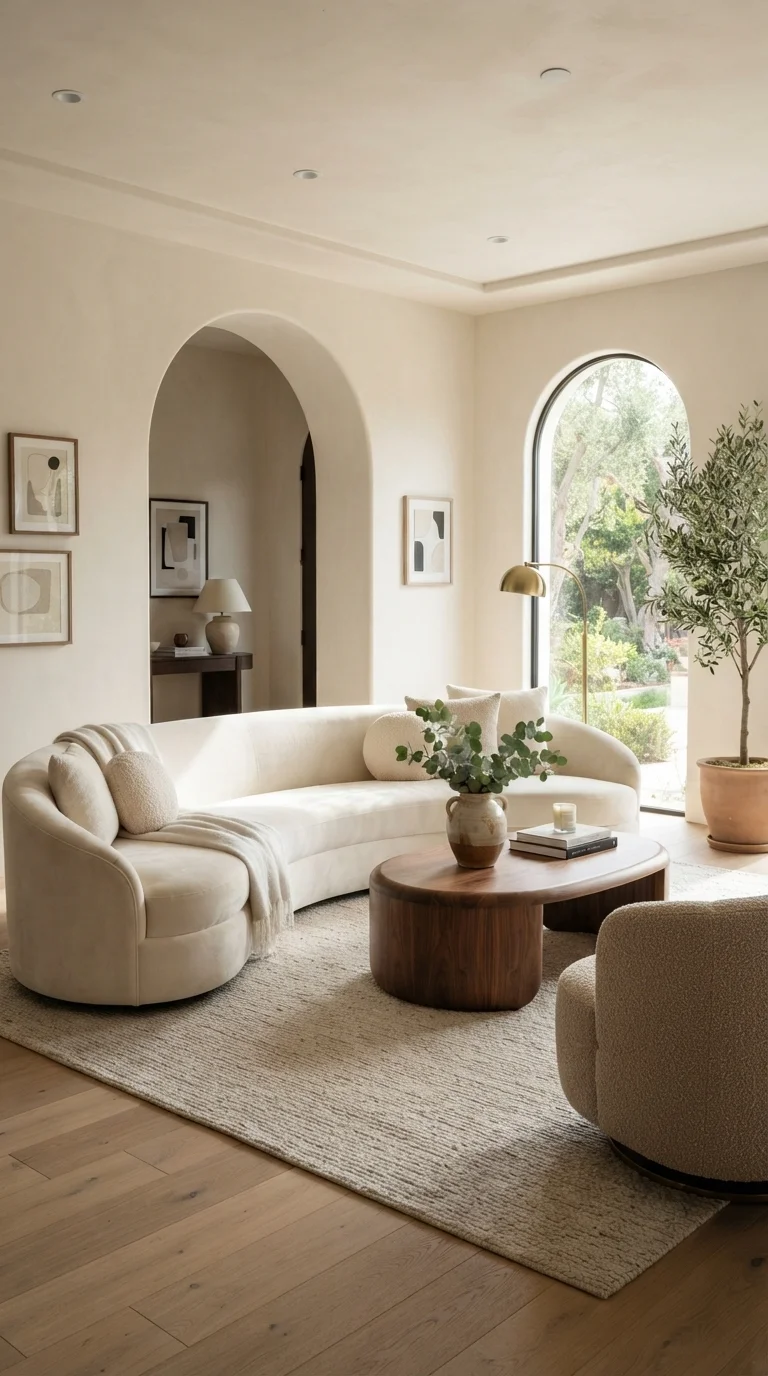
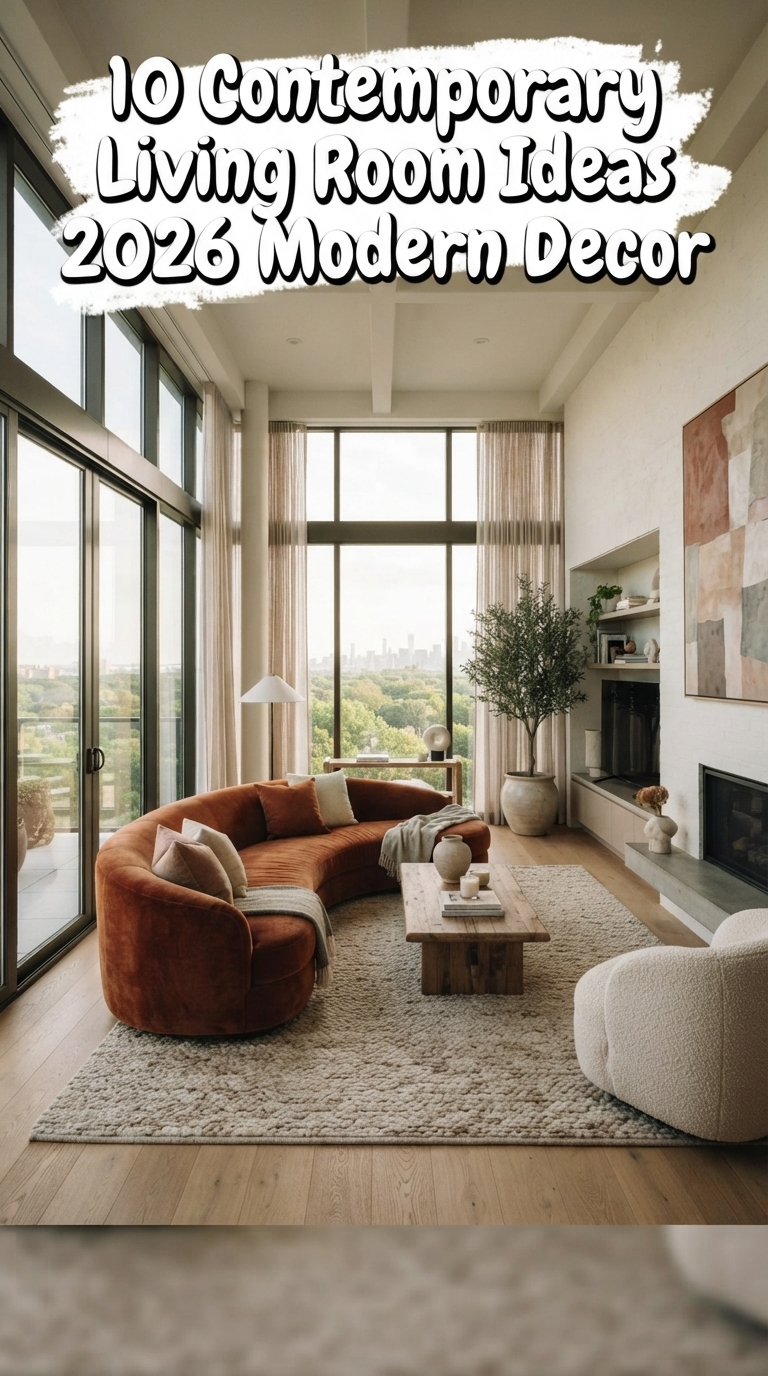
Replacing sharp-edged furniture with rounded, organic silhouettes instantly softens a room. This approach promotes better traffic flow and creates a more inviting atmosphere. The curved sofa acts as a sculptural anchor, while the rounded coffee table eliminates harsh corners, making the space feel safer and more fluid. Use this layout to break up boxy, traditional room shapes.
2. Integrated Floor-to-Ceiling Shelving Units
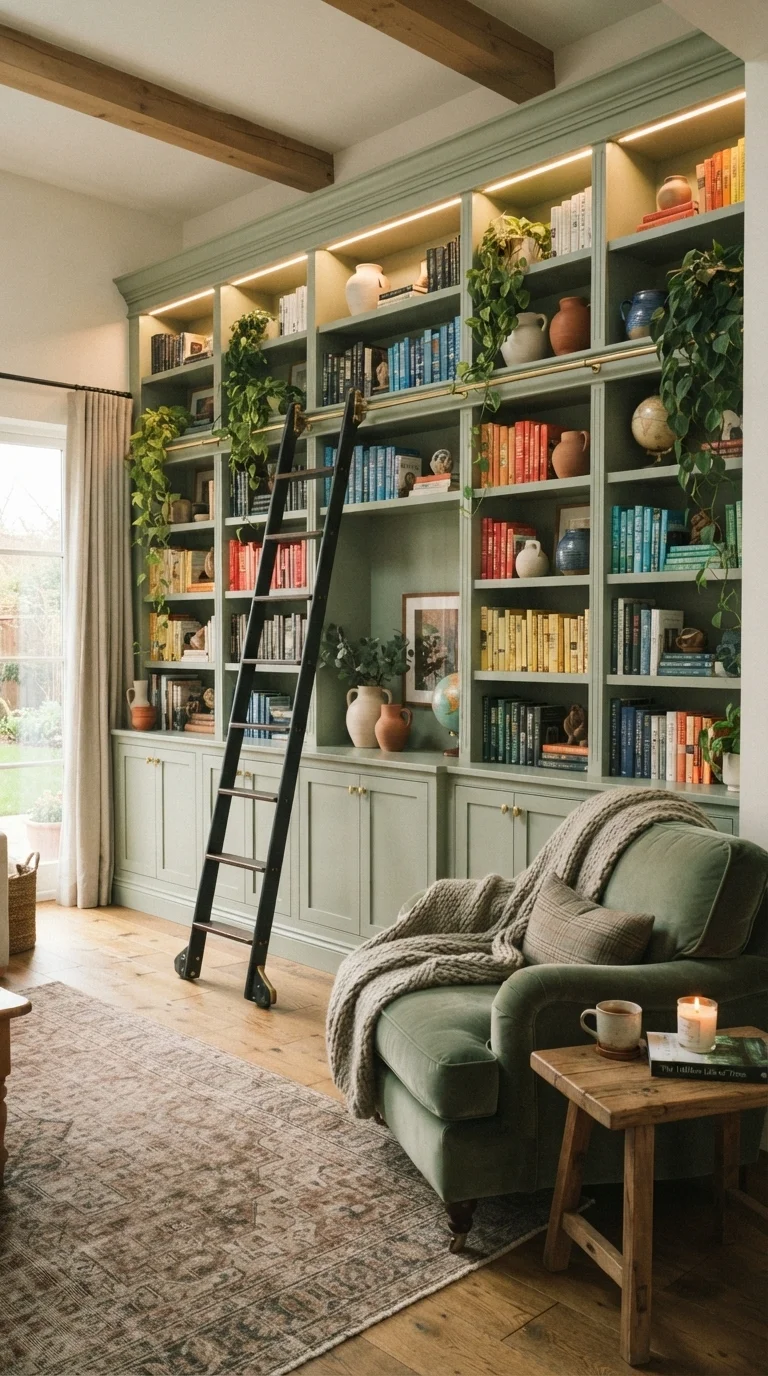
Built-in shelving maximizes vertical space while providing a dedicated home for your personal collections. By painting these units the same color as the walls, you create a seamless, sophisticated look that makes the ceiling feel higher. This storage solution keeps clutter hidden while displaying meaningful decor items that reflect your personality.
3. Layered Lighting with Statement Sculptural Lamps
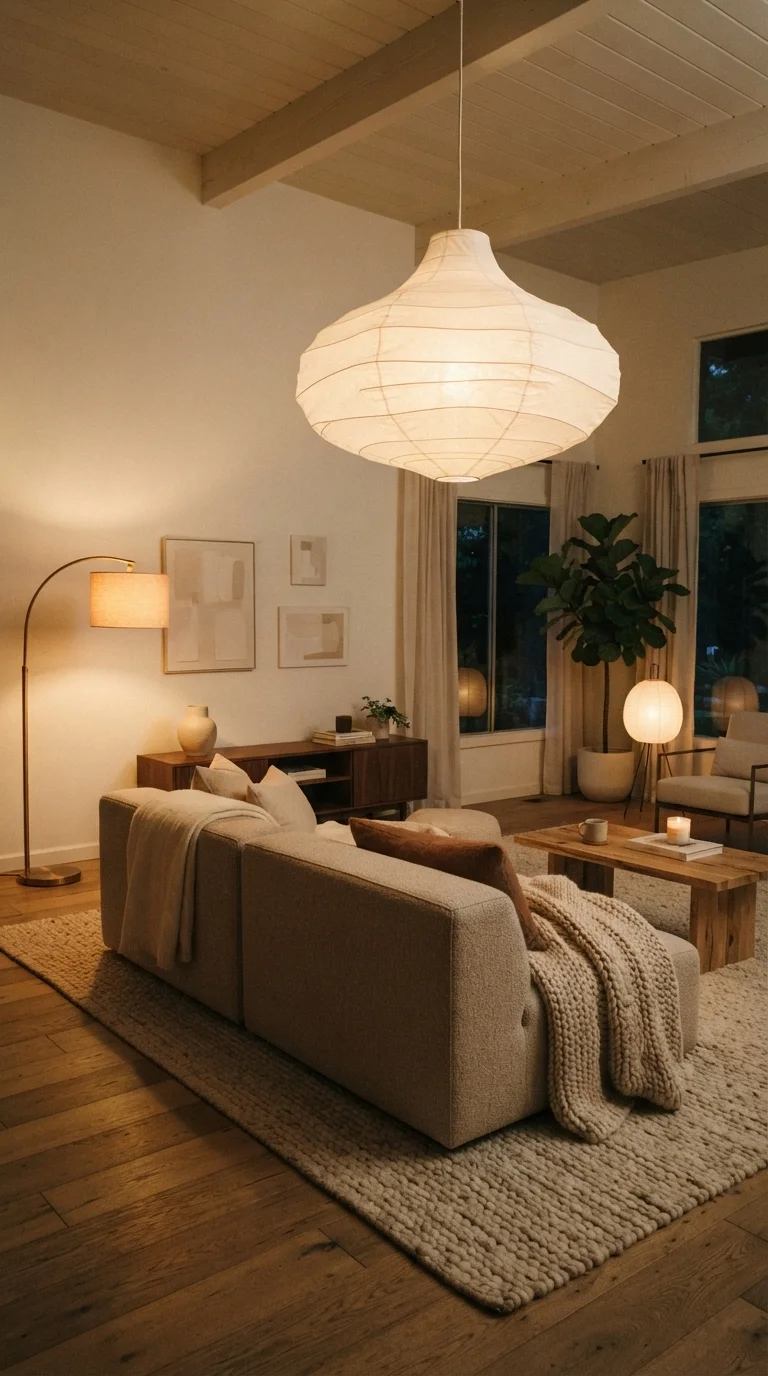
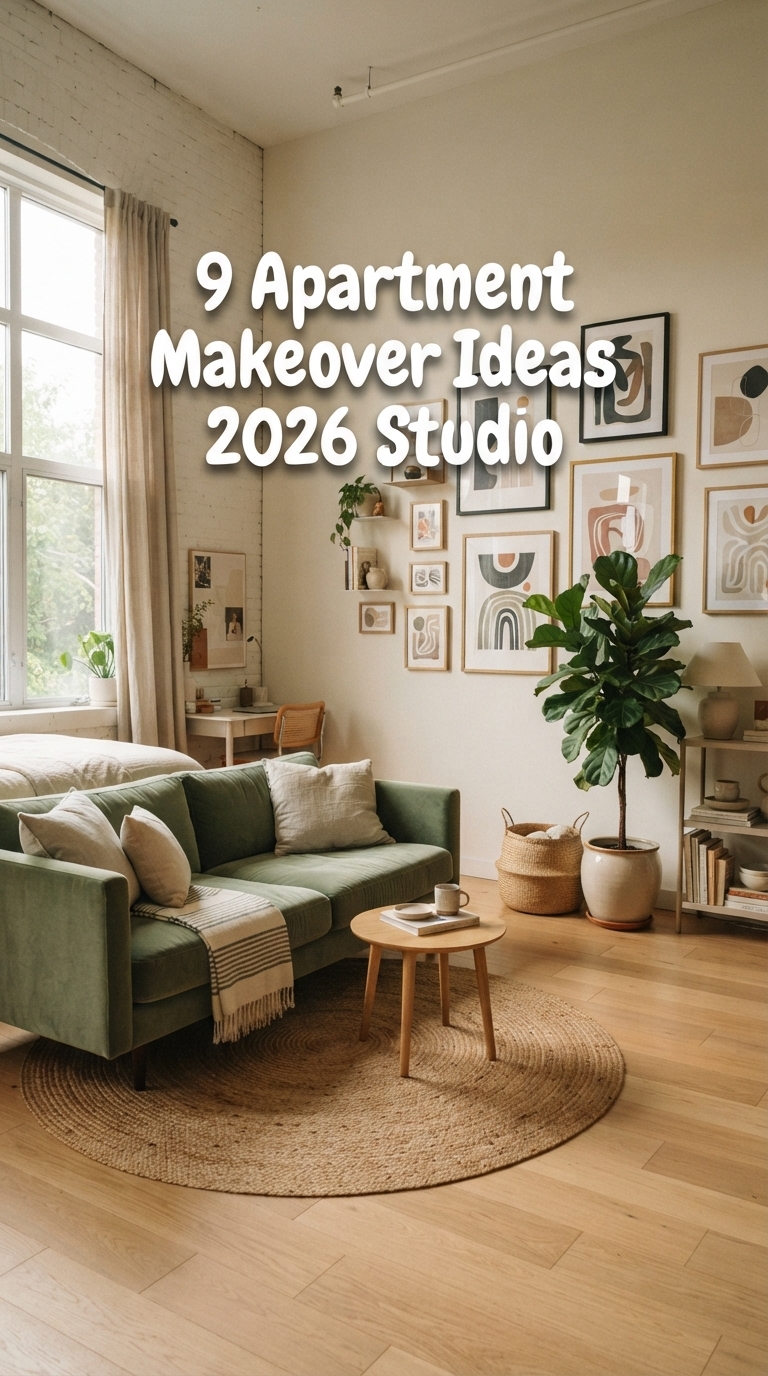
Lighting defines the mood of your living room more than any other element. Moving beyond a single central fixture, layer your lighting by combining sculptural pendant lights with low-level floor lamps. This creates depth and warmth during evening hours. If you need inspiration for smaller footprints, these principles apply well to apartment makeover ideas 2026 studio layouts where light management is vital.
4. Earthy Monochromatic Color Palettes
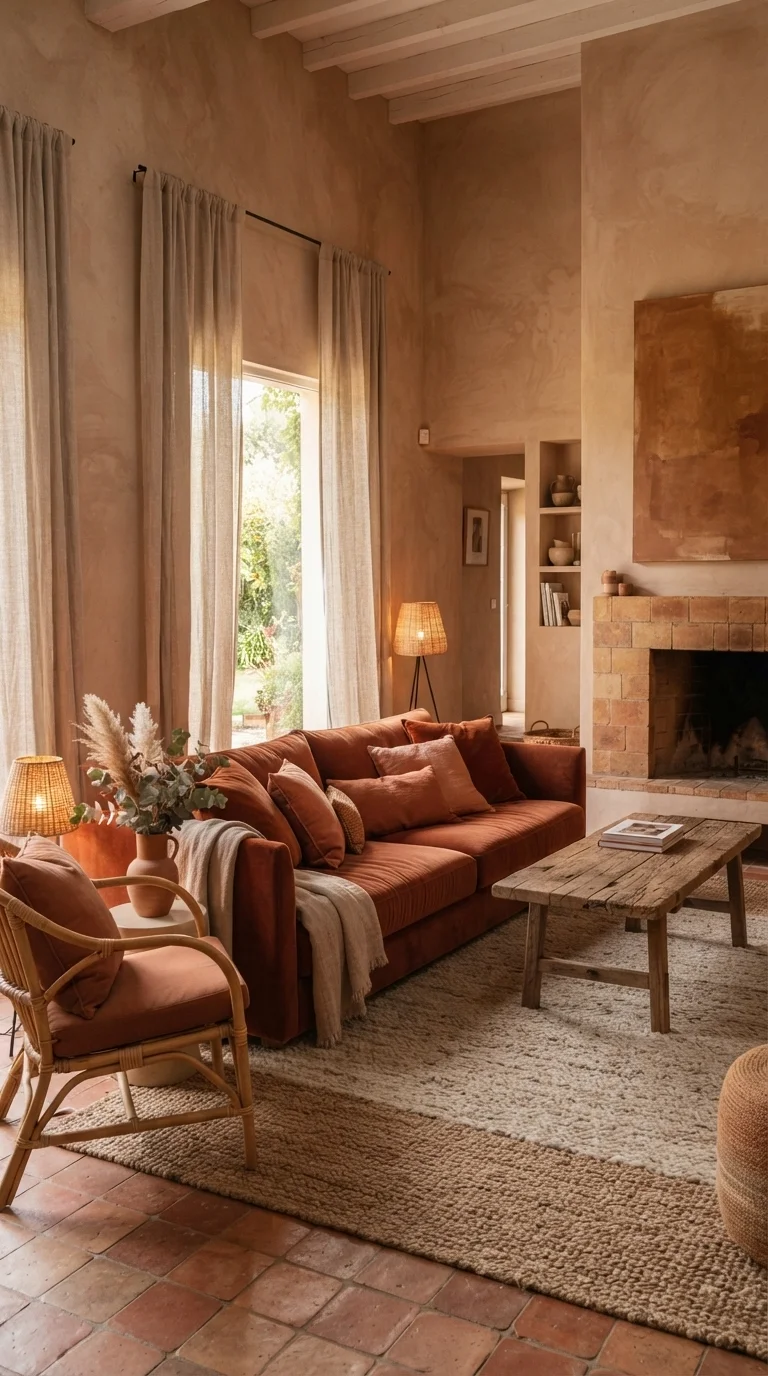
Monochromatic rooms rely on texture rather than color contrast to stay interesting. By layering different shades of the same earthy hue—like clay, sand, or sage—you create a serene, cocoon-like environment. Use matte finishes on walls and combine them with tactile fabrics like bouclé, linen, and wool to prevent the space from feeling flat or one-dimensional.
5. Sustainable and Reclaimed Wood Accents
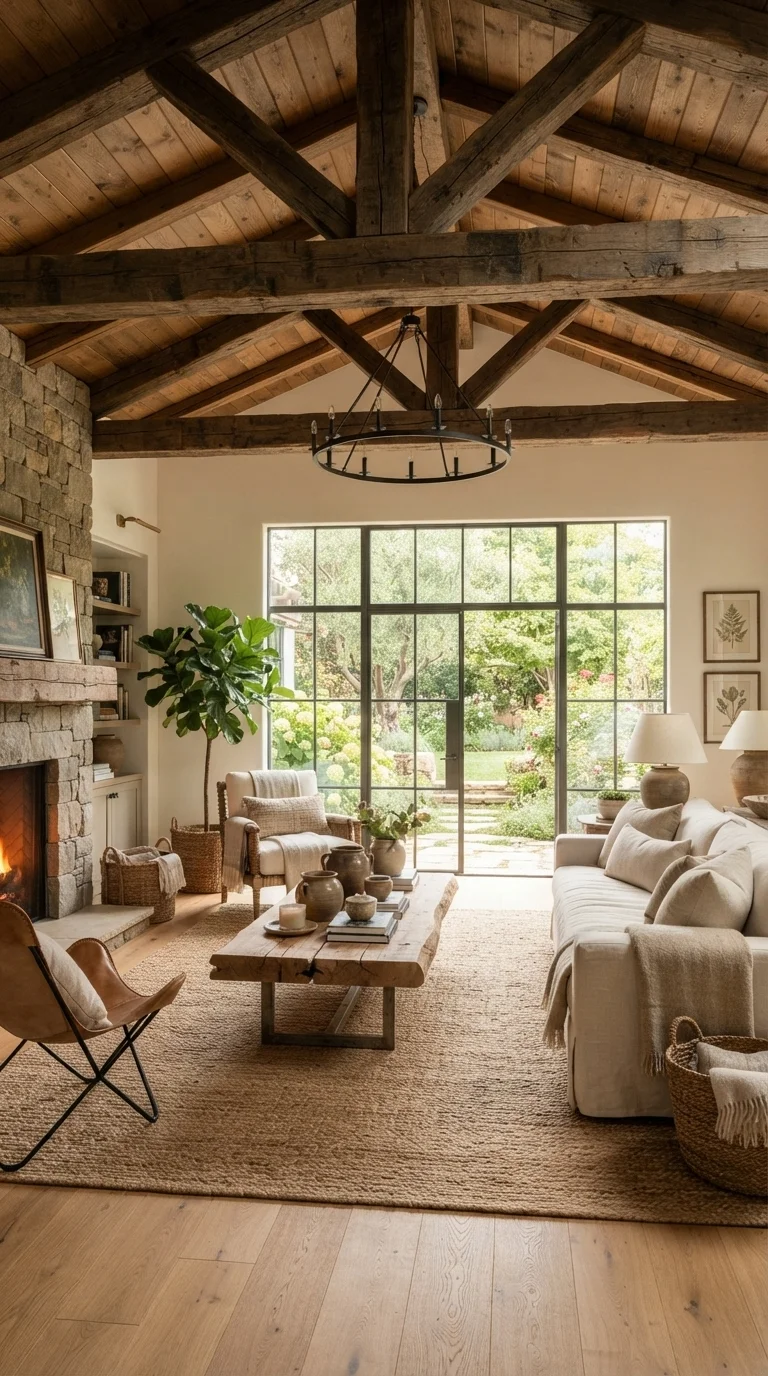
Incorporating raw, reclaimed wood brings warmth and history into a modern renovation. Whether through ceiling beams, floating shelves, or a substantial coffee table, natural wood grain adds a grounded, organic feel. This material choice is perfect for those who want to balance sleek modern furniture with the timeless appeal of natural, weathered textures.
6. Biophilic Design with Large-Scale Greenery
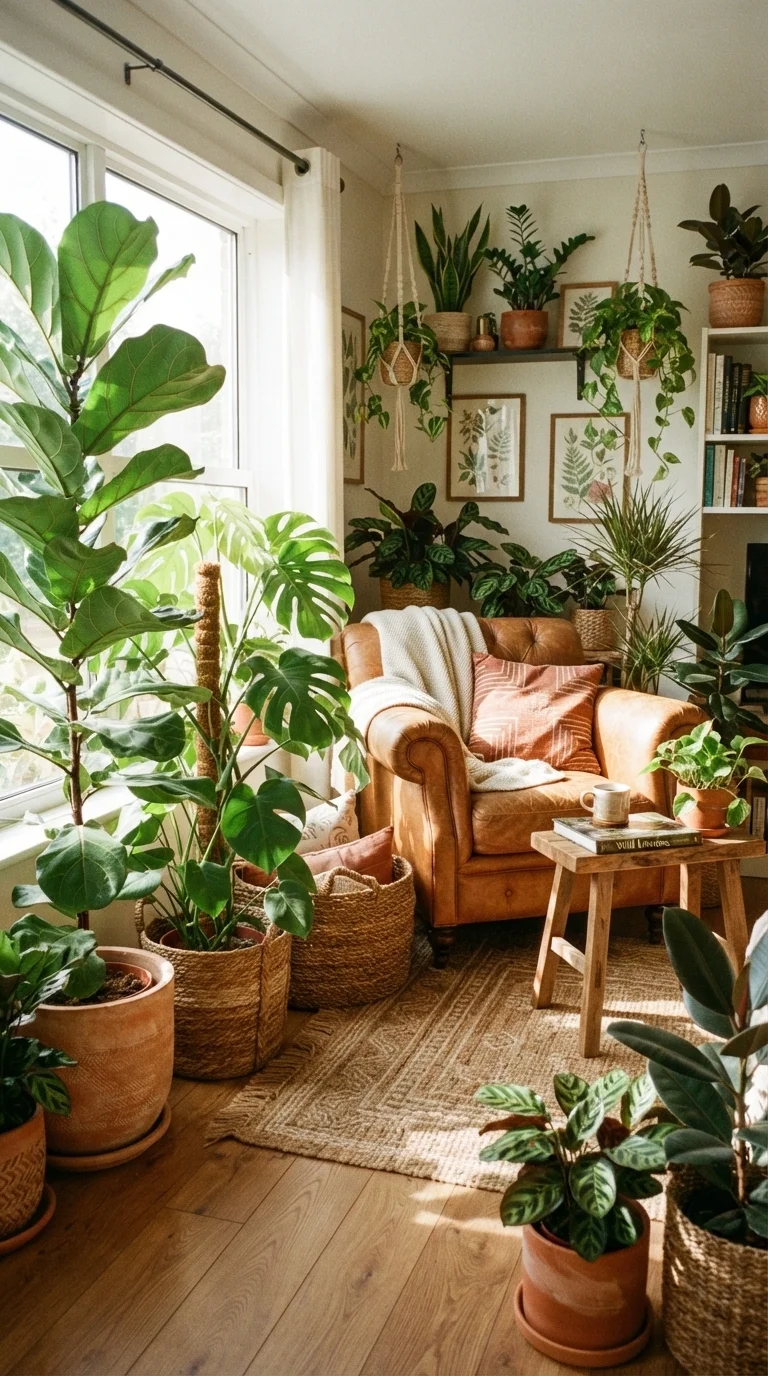
7. Statement Textural Wall Treatments
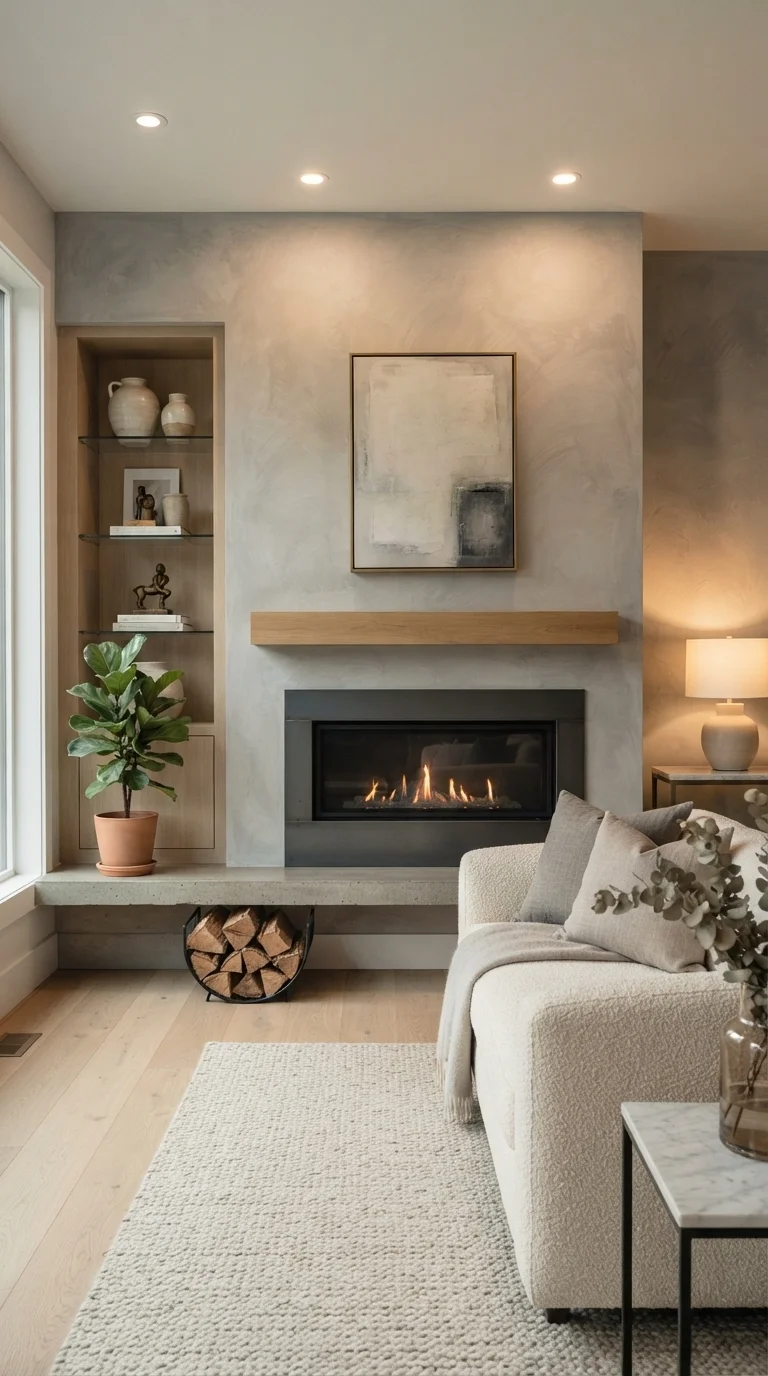
Move away from flat, standard paint finishes and embrace lime wash, plaster, or wood slat wall treatments. These additions create a tactile backdrop that changes subtly with the light throughout the day. A textured wall serves as a sophisticated focal point, requiring very little additional wall art to feel finished and intentional.
8. Multifunctional Zoning for Modern Living
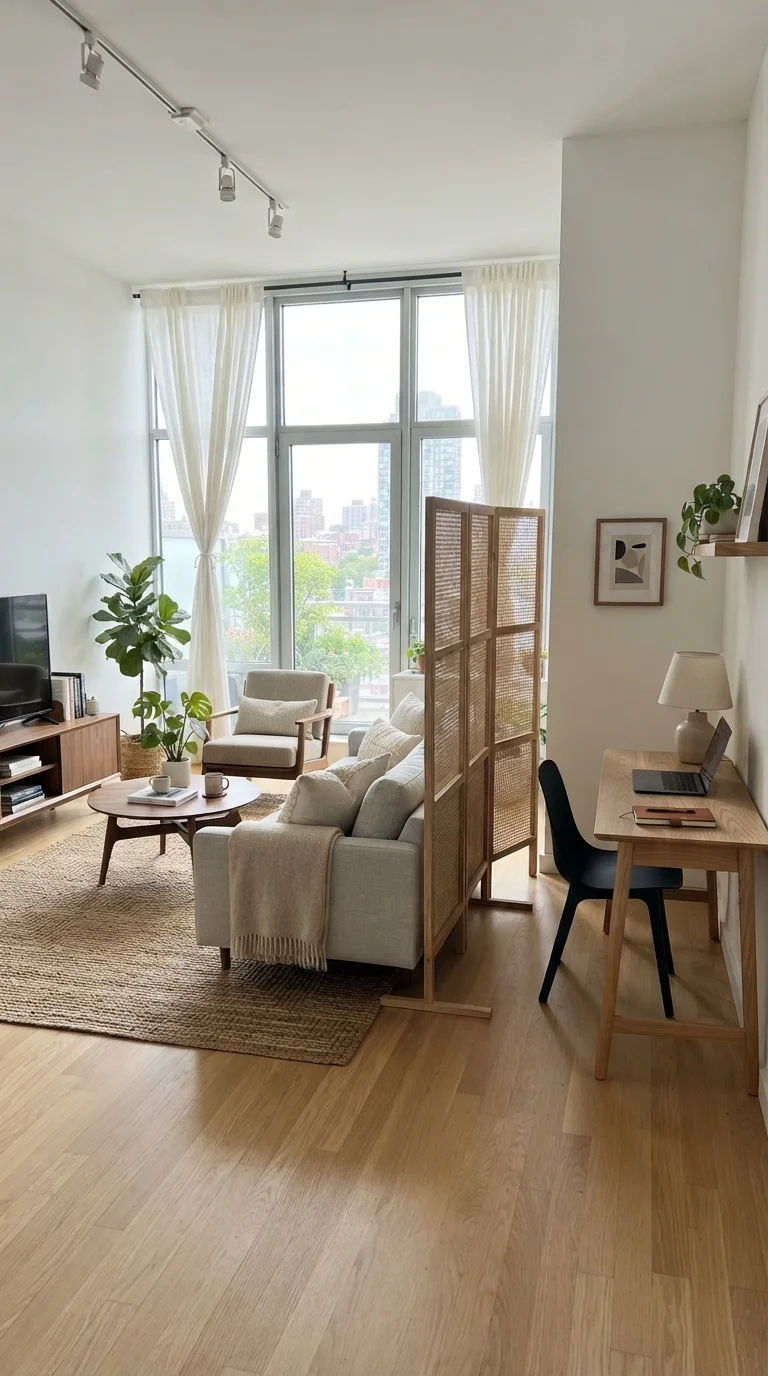
Modern homes often require rooms to serve dual purposes. Use area rugs, furniture placement, or open-back shelving to define specific zones without building permanent walls. This keeps the living room feeling spacious while ensuring you have a dedicated space for work or hobbies. Keeping sightlines clear is the key to maintaining an open, airy flow.