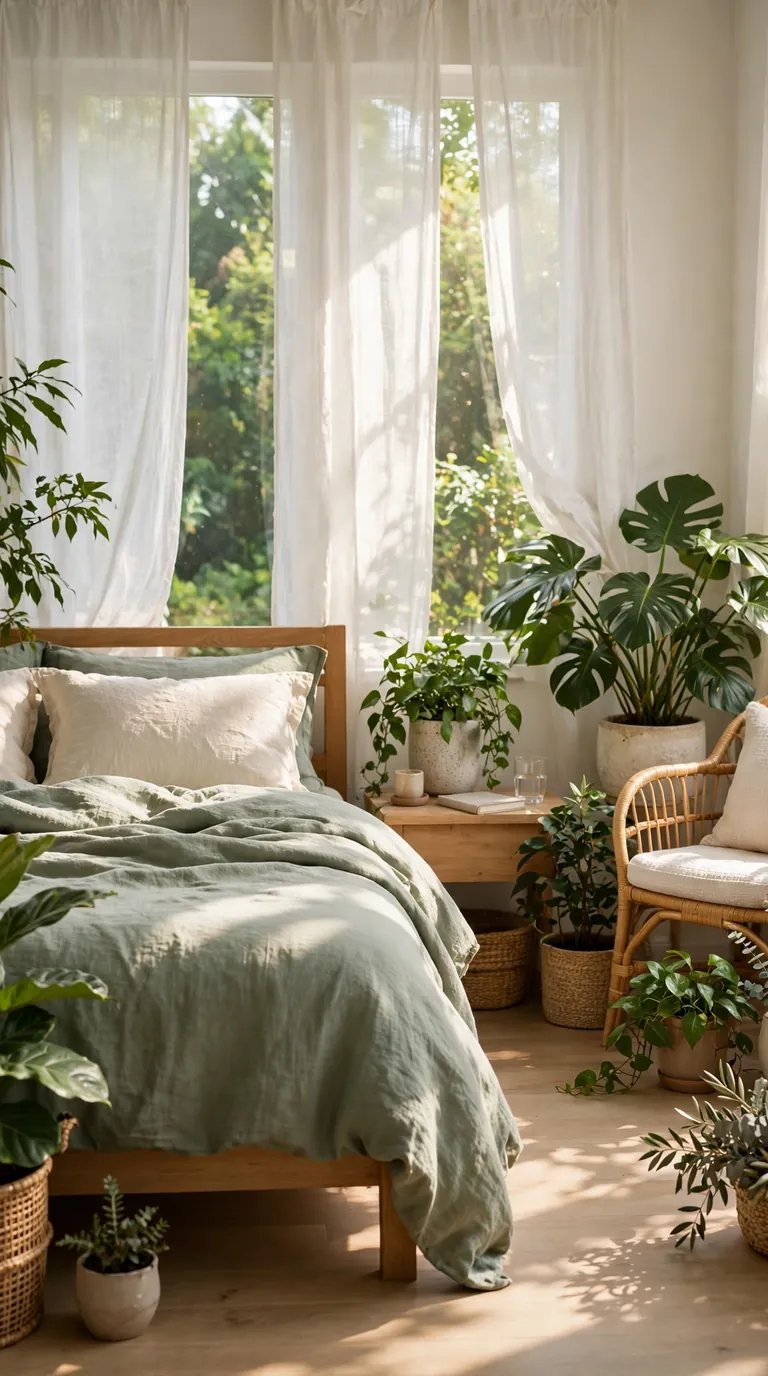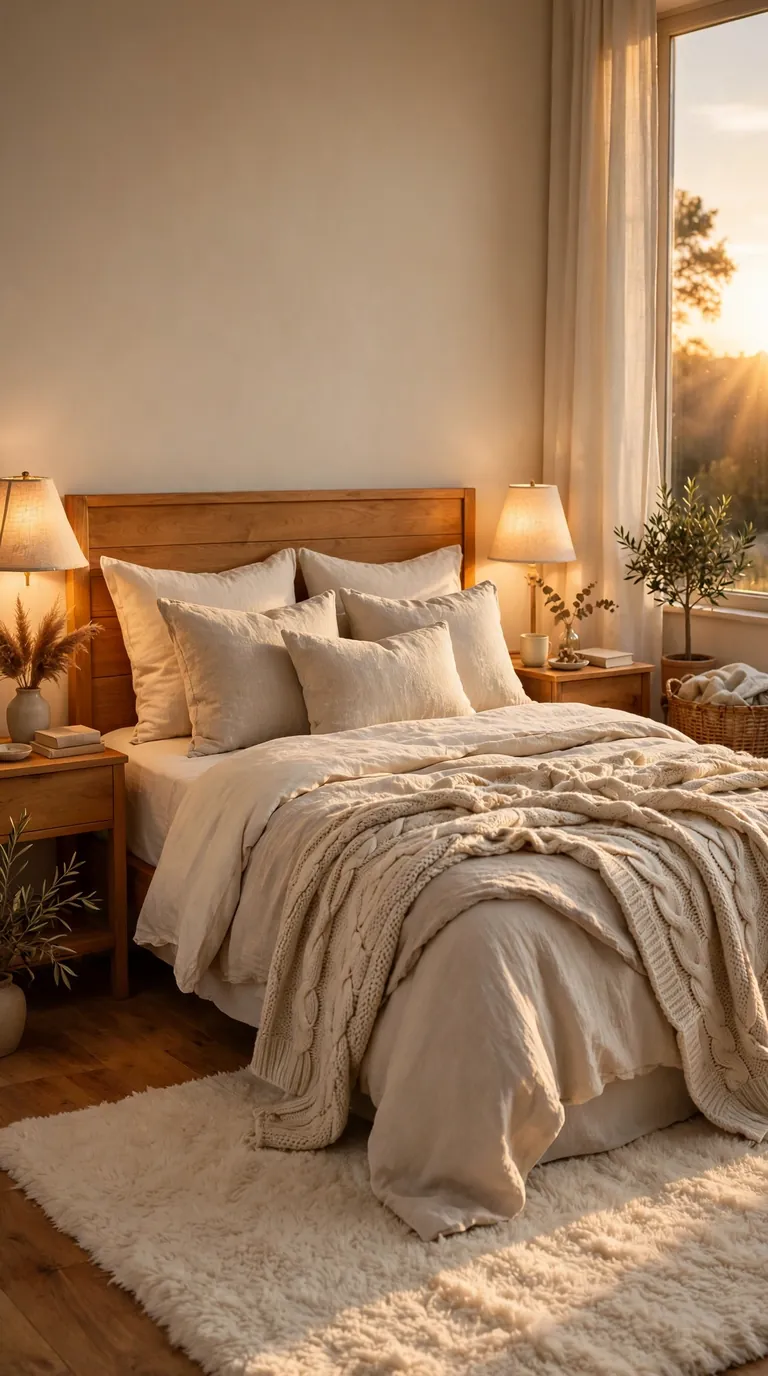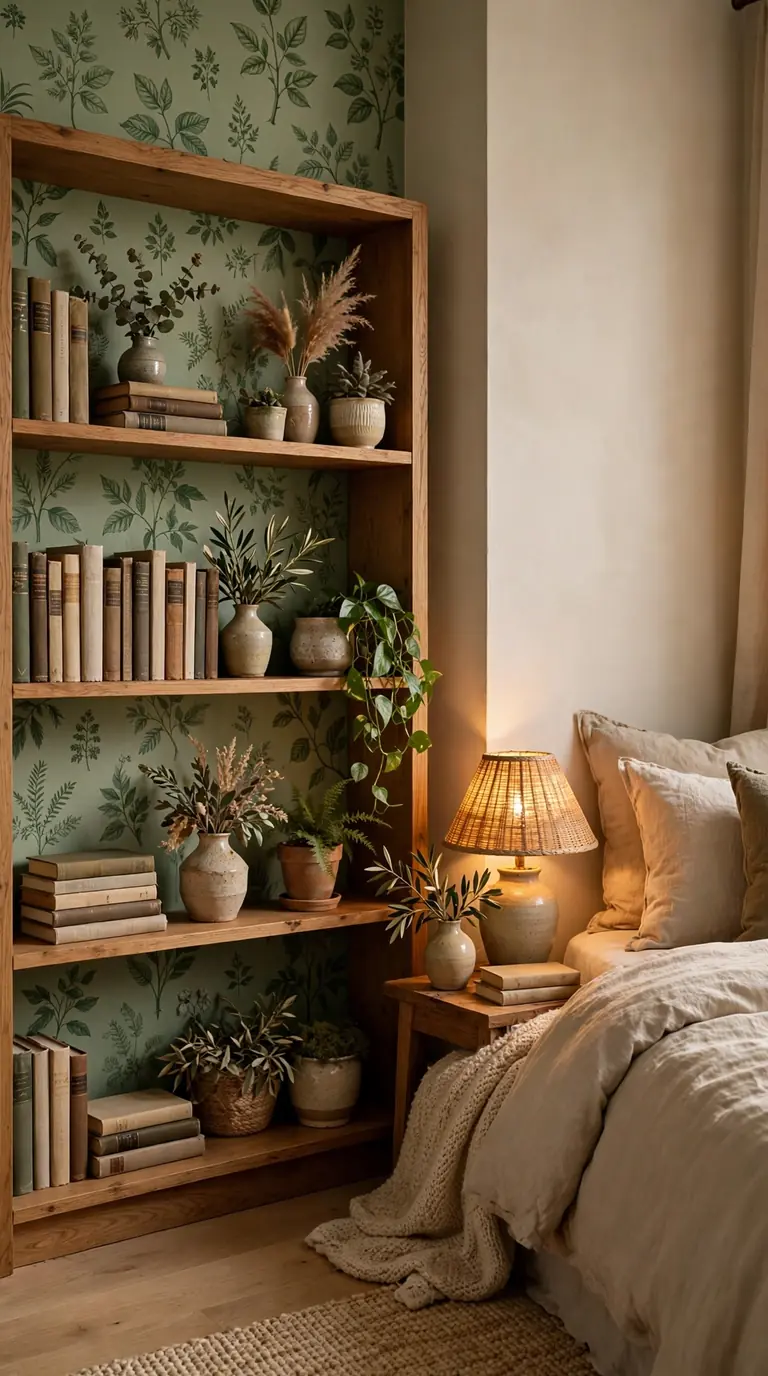

Renovating your bedroom doesn’t require a massive bank account or a full-scale construction crew. As we head into 2026, the focus shifts toward intentional, sustainable, and highly personal design choices that make a space feel like a true sanctuary. Whether you are working with a cramped apartment layout or a dated master suite, these budget-friendly updates focus on high-impact changes like lighting, color, and textile layering. You can achieve a high-end look by prioritizing quality materials and smart furniture placement over expensive renovations. Let’s explore twelve practical, stylish ways to refresh your bedroom into a cozy, trend-forward retreat that feels perfectly curated for your lifestyle.
1. Paint Your Ceiling for Depth
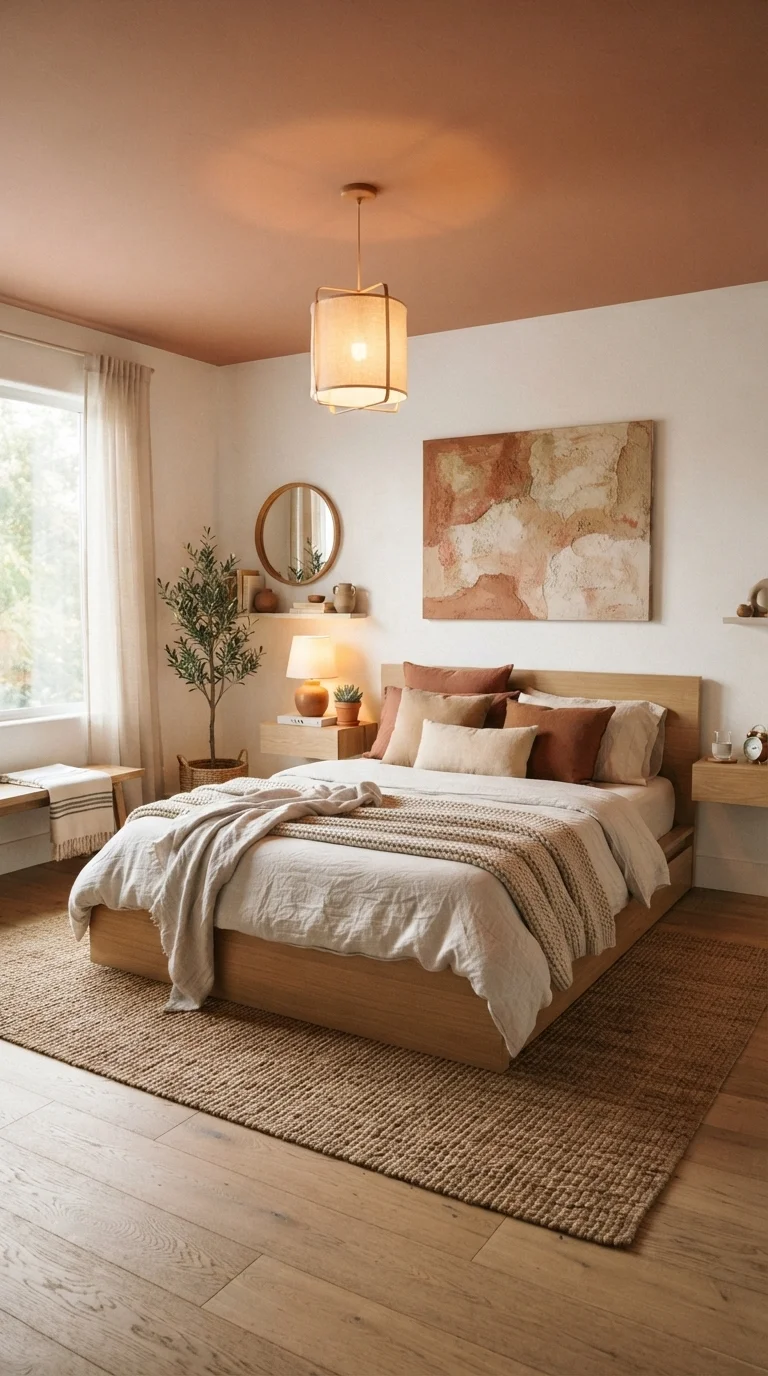
Painting the ceiling a color other than white instantly changes the room’s proportions and adds a custom, expensive feel. By choosing a muted earth tone like terracotta or sage, you draw the eye upward and create a cocoon-like effect. This technique is particularly effective in rooms with lower ceilings or awkward architectural angles. It serves as an anchor for the room, allowing you to keep walls neutral while still injecting personality. Pair this with low-profile furniture to emphasize the height of the room and ensure the space feels open rather than closed off.
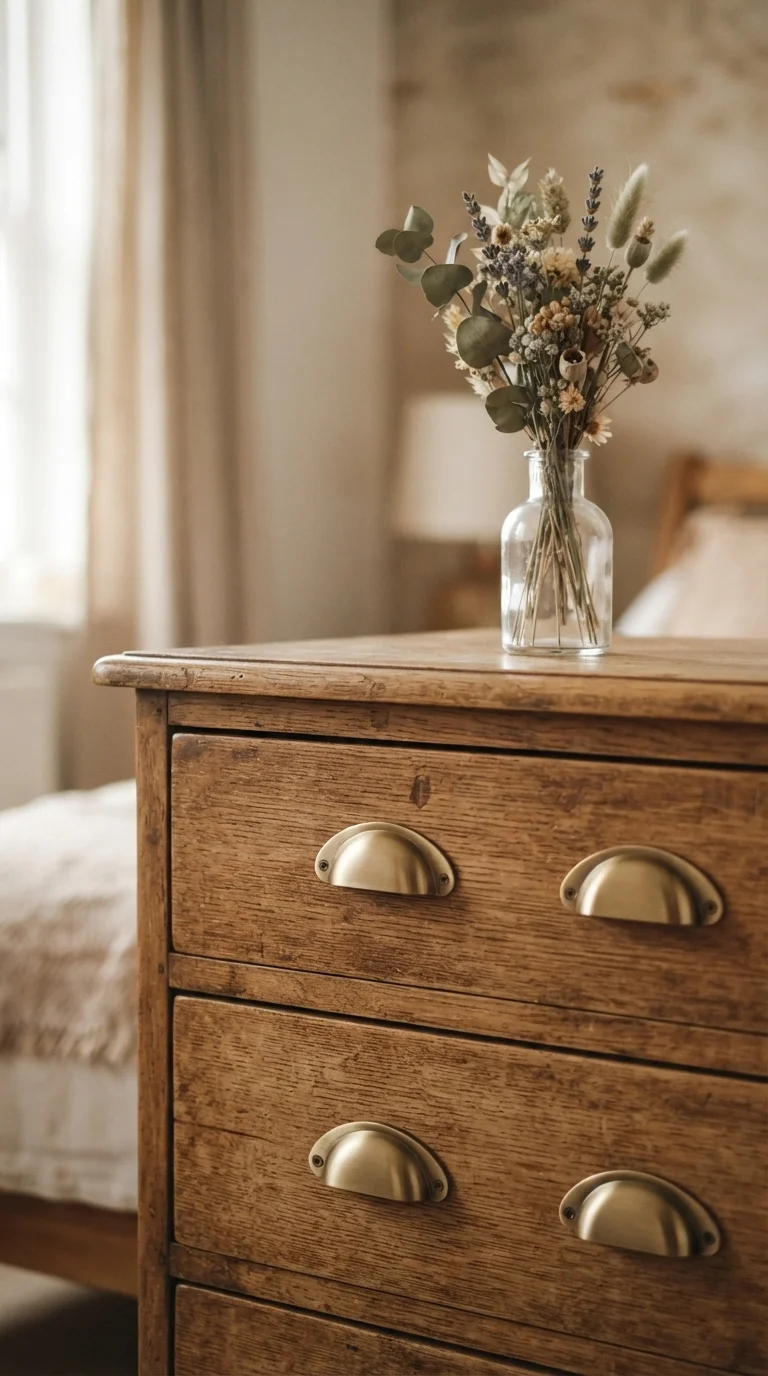
2. Swap Hardware for Instant Polish
3. Layer Textures Instead of Adding Furniture
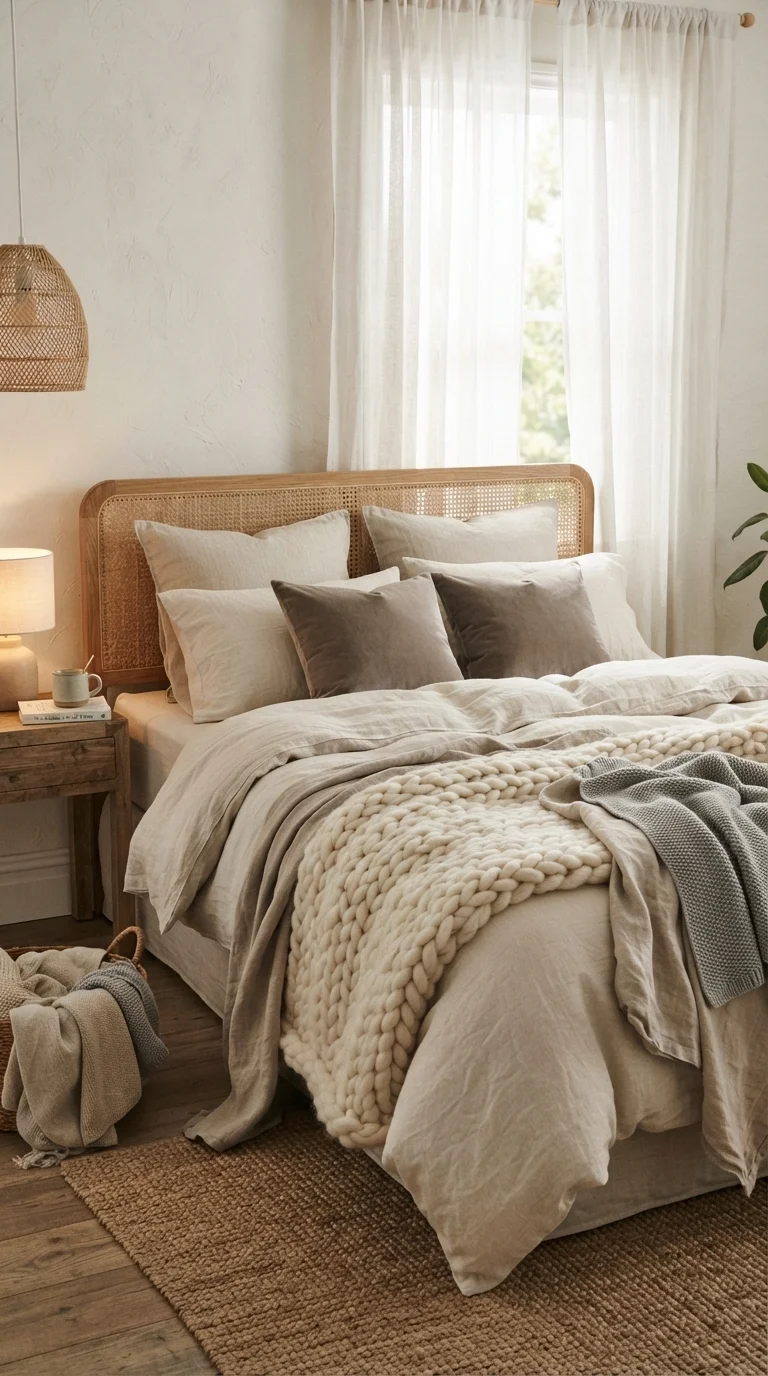
If your bedroom feels flat or uninspired, the issue is often a lack of tactile variety rather than a lack of decor. By mixing materials like linen, wool, velvet, and cotton, you create a sensory experience that feels luxurious and inviting. Focus on a monochromatic color scheme to keep the look cohesive while letting the textures do the heavy lifting. This approach allows you to refresh your space seasonally by simply swapping out a throw blanket or adding a new decorative pillow, making it a sustainable and cost-effective design choice.
4. Upgrade Your Lighting Strategy
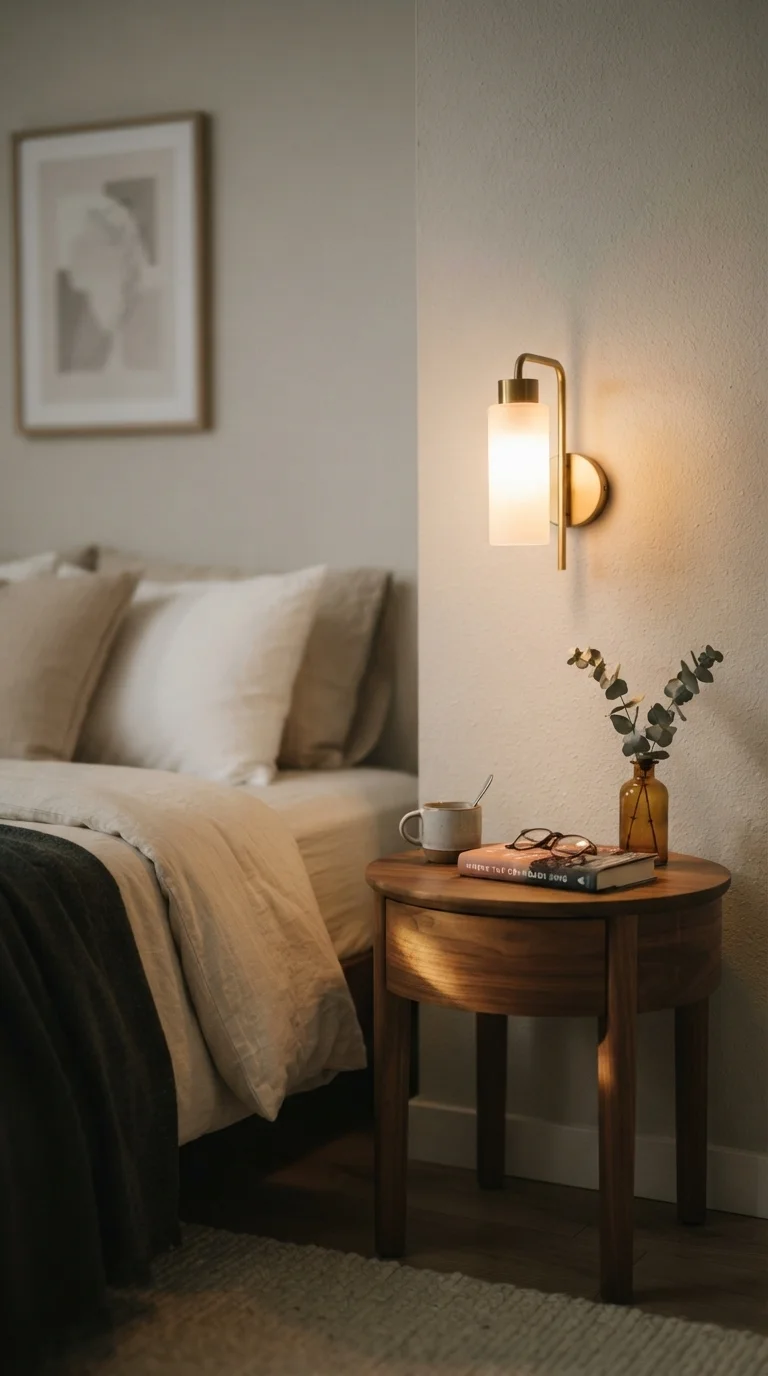
Overhead lighting is often harsh and unflattering, so moving to a layered lighting strategy is essential for a bedroom renovation. Install wall-mounted sconces to free up nightstand space and provide directional reading light that feels like a boutique hotel. Incorporate dimmable floor lamps or smart bulbs to transition the room from a bright workspace during the day to a soft, relaxing lounge at night. Proper lighting creates depth and shadows, which makes any room feel more expensive and well-designed than a single, flat light source ever could.
5. Create a Statement Headboard
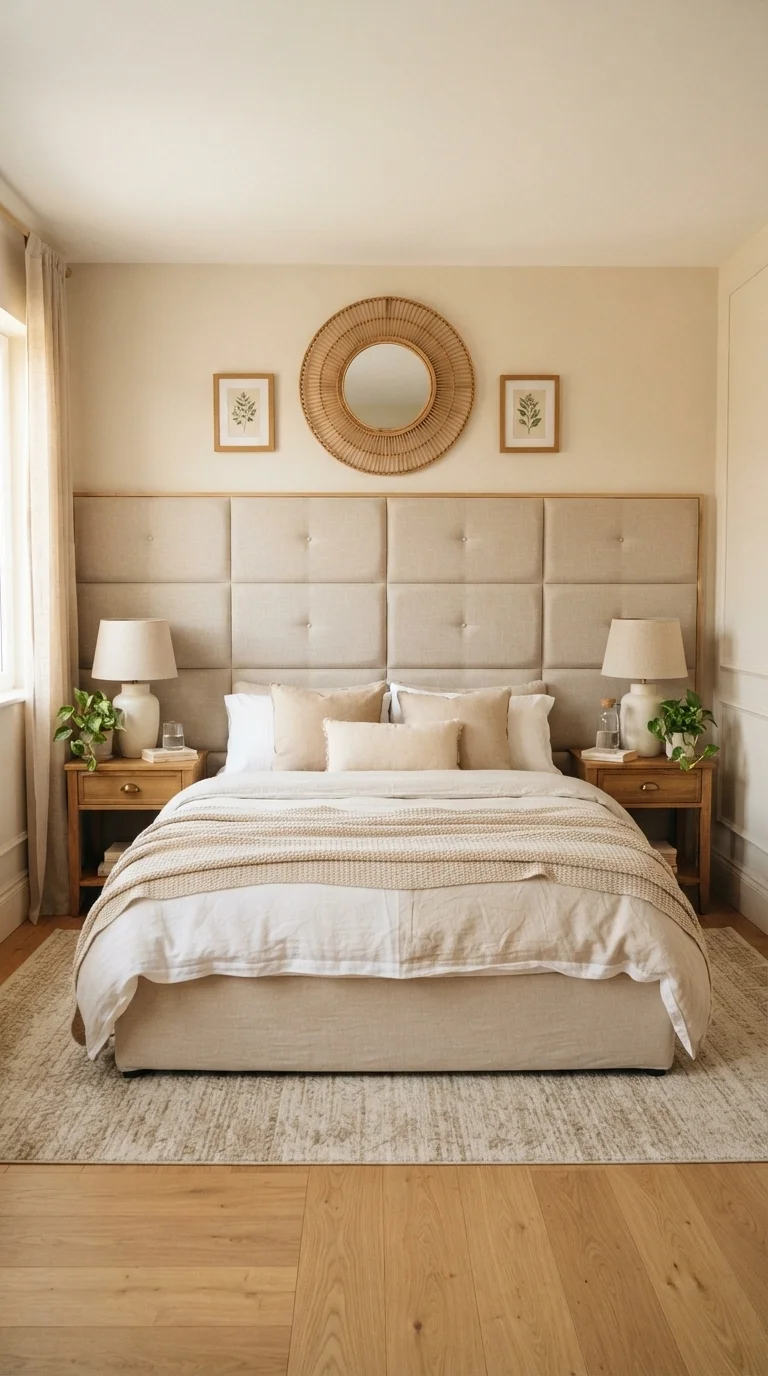
A headboard serves as the focal point of the bedroom, and you can build a custom-looking one for a fraction of retail prices. Consider using padded fabric panels, reclaimed wood planks, or even a large piece of architectural molding to frame the bed area. If you are looking for more inspiration, these king size bed ideas 2026 can help you integrate wall art above the headboard to complete the look. A well-proportioned headboard balances the scale of the bed against the wall, creating a sense of permanence and intentionality in the room design.
6. Curate Your Bedside Table
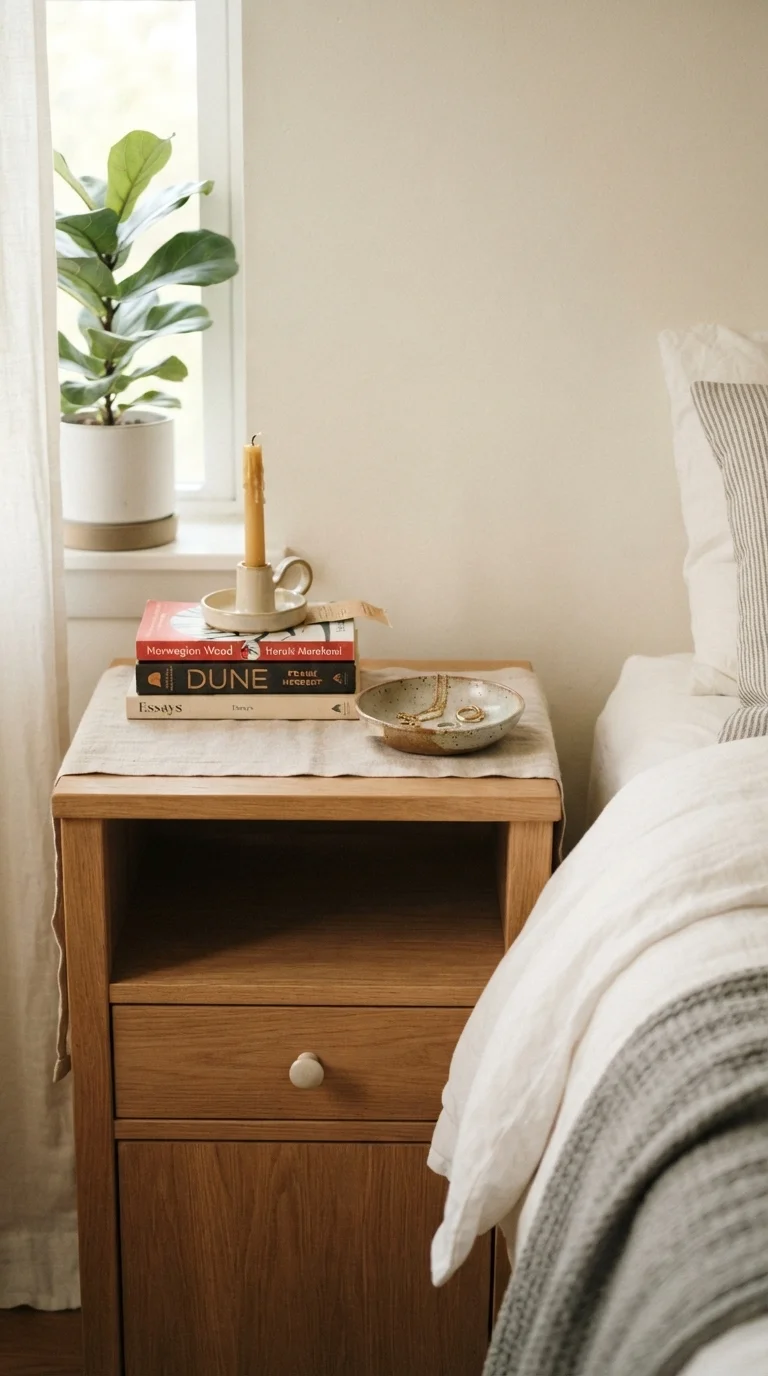
Your nightstand is the last thing you see at night and the first thing you see in the morning, so keep it functional and beautiful. Avoid clutter by keeping only essentials like a lamp, a book, and a small catch-all tray for jewelry or glasses. Use a mix of heights and shapes to create visual interest; for example, pair a tall lamp with a low stack of books and a small, rounded ceramic piece. This habit of intentional styling prevents the surface from becoming a dumping ground for electronics and keeps the bedroom atmosphere calm.
7. Install Floor-to-Ceiling Curtains
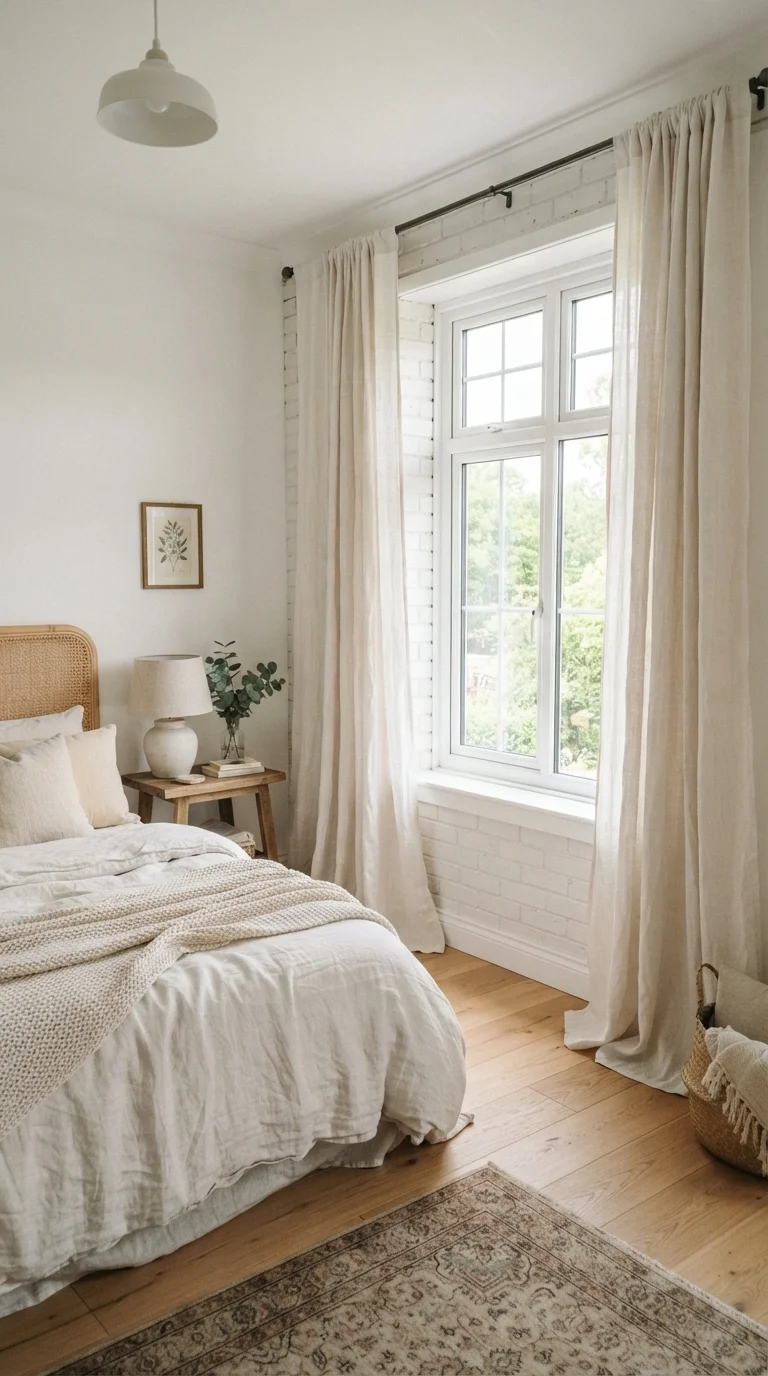
Hanging your curtain rod as close to the ceiling as possible, rather than right above the window frame, creates the illusion of taller walls. Use floor-length panels that just graze the floor for a polished, tailored appearance that makes the room feel grander. Opt for light-filtering linen or heavy-weight cotton to add softness and privacy. This simple architectural trick is highly effective in small bedrooms where you want to maximize the sense of volume and light without spending money on structural changes.
8. Add a Rug for Zoning
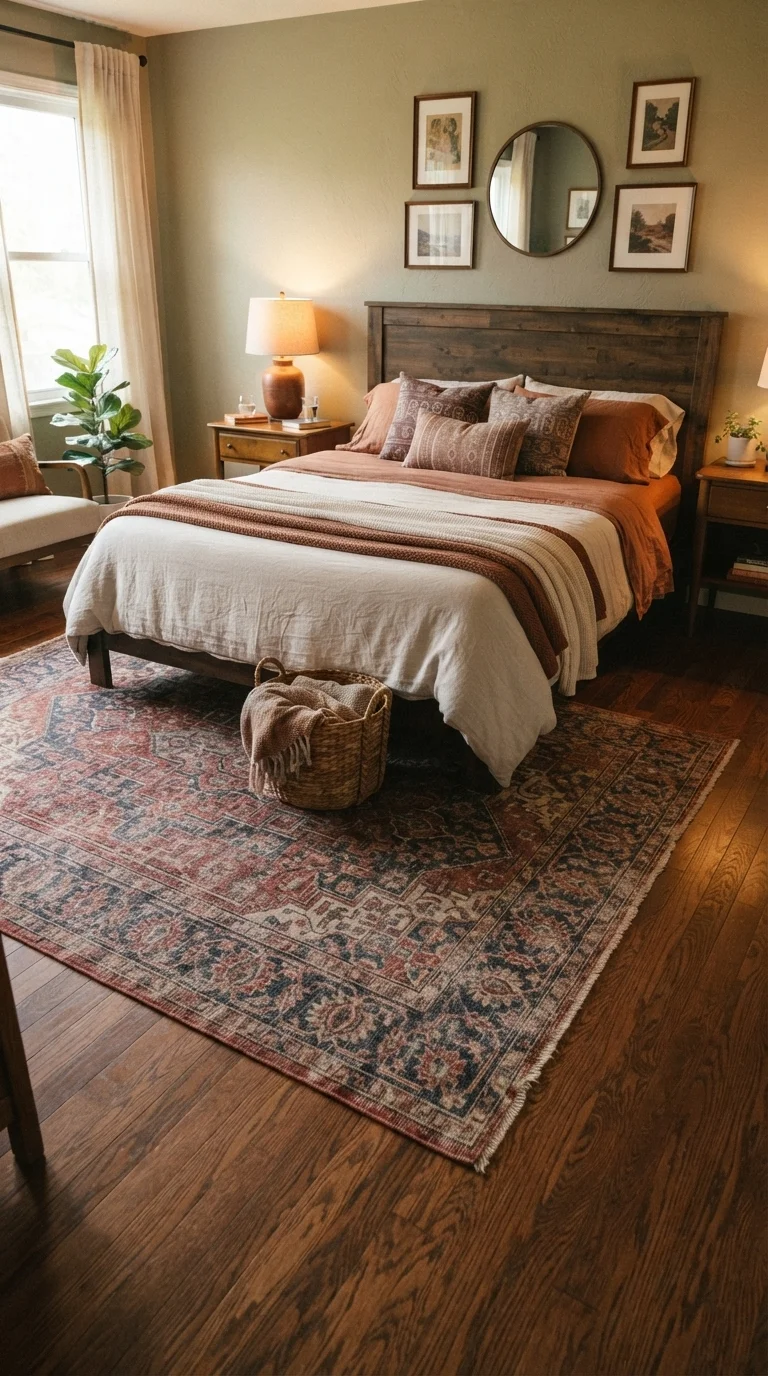
A rug acts as a grounding element that defines the sleeping zone, especially in bedrooms with hardwood or laminate flooring. Choose a rug large enough to extend at least two feet beyond the sides and foot of the bed. This creates a soft landing for your feet in the morning and adds a layer of sound absorption. If you have a neutral bedroom, use the rug to introduce subtle patterns or colors that tie your bedding and wall decor together for a cohesive, designer-curated finish.
9. Incorporate Natural Elements
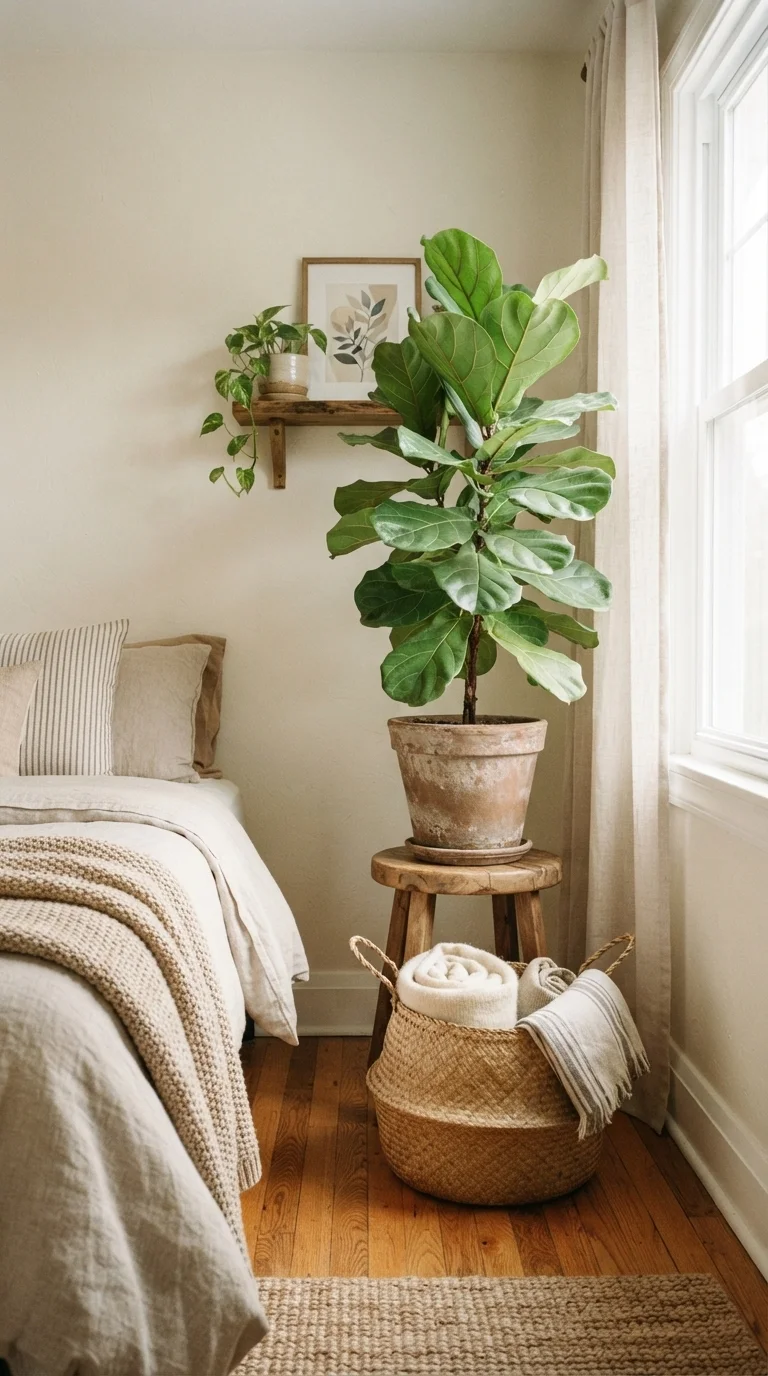
Bringing nature inside is a classic way to breathe life into a stale room. A large floor plant, a wooden stool, or even a collection of dried branches in a terracotta vase adds organic shape and texture that contrasts beautifully with modern furniture. These elements soften the lines of a room and improve the overall mood. If you struggle with plant care, choose low-maintenance varieties like snake plants or opt for high-quality faux stems that provide the same visual impact without the upkeep.
10. Utilize Vertical Wall Space
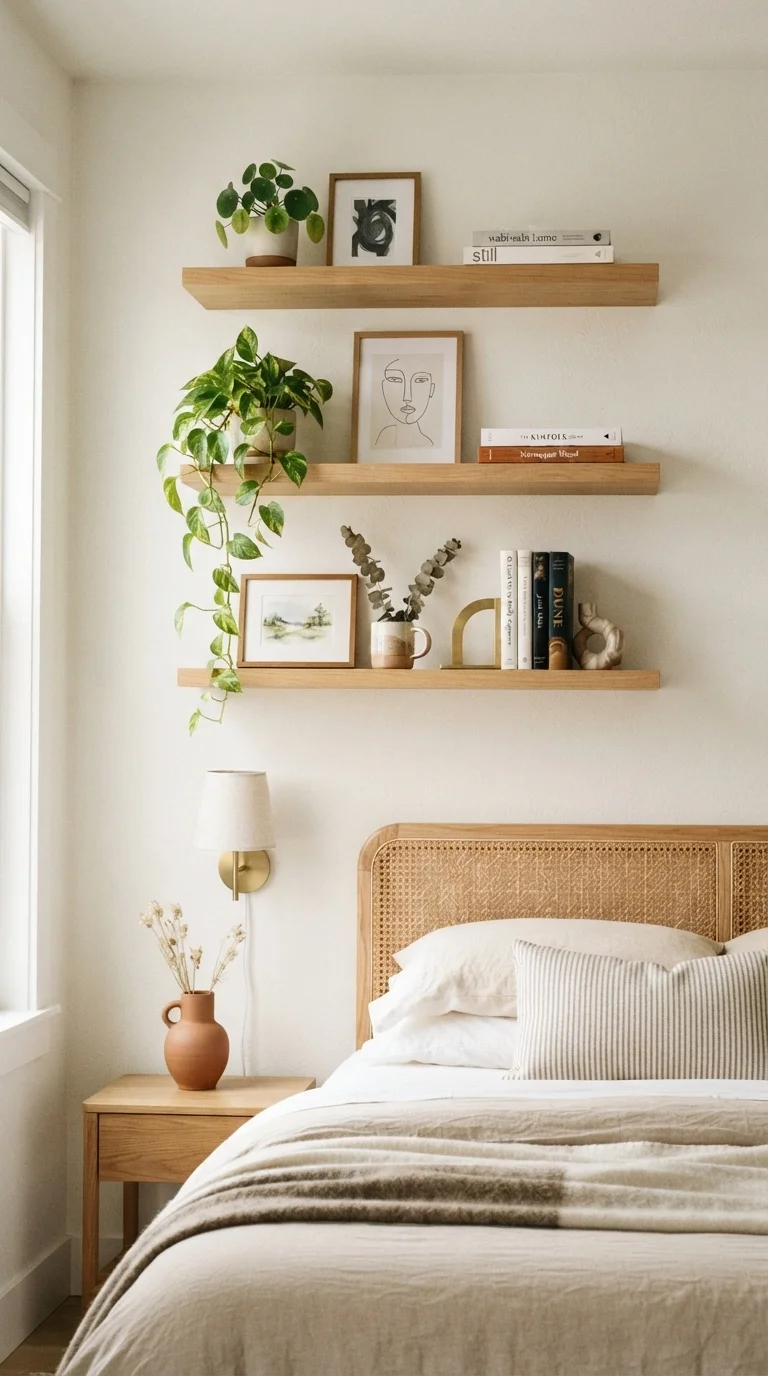
When floor space is limited, look to your walls for storage and decor. Floating shelves or a simple picture ledge allow you to display art, books, or personal items without taking up valuable floor area. Keep the arrangement sparse and intentional to avoid a cluttered look. This is a perfect way to rotate seasonal decor or showcase meaningful photos. By keeping the shelves at eye level, you create an engaging visual focal point that draws the attention away from the rest of the room’s imperfections.
11. Focus on Symmetrical Layouts
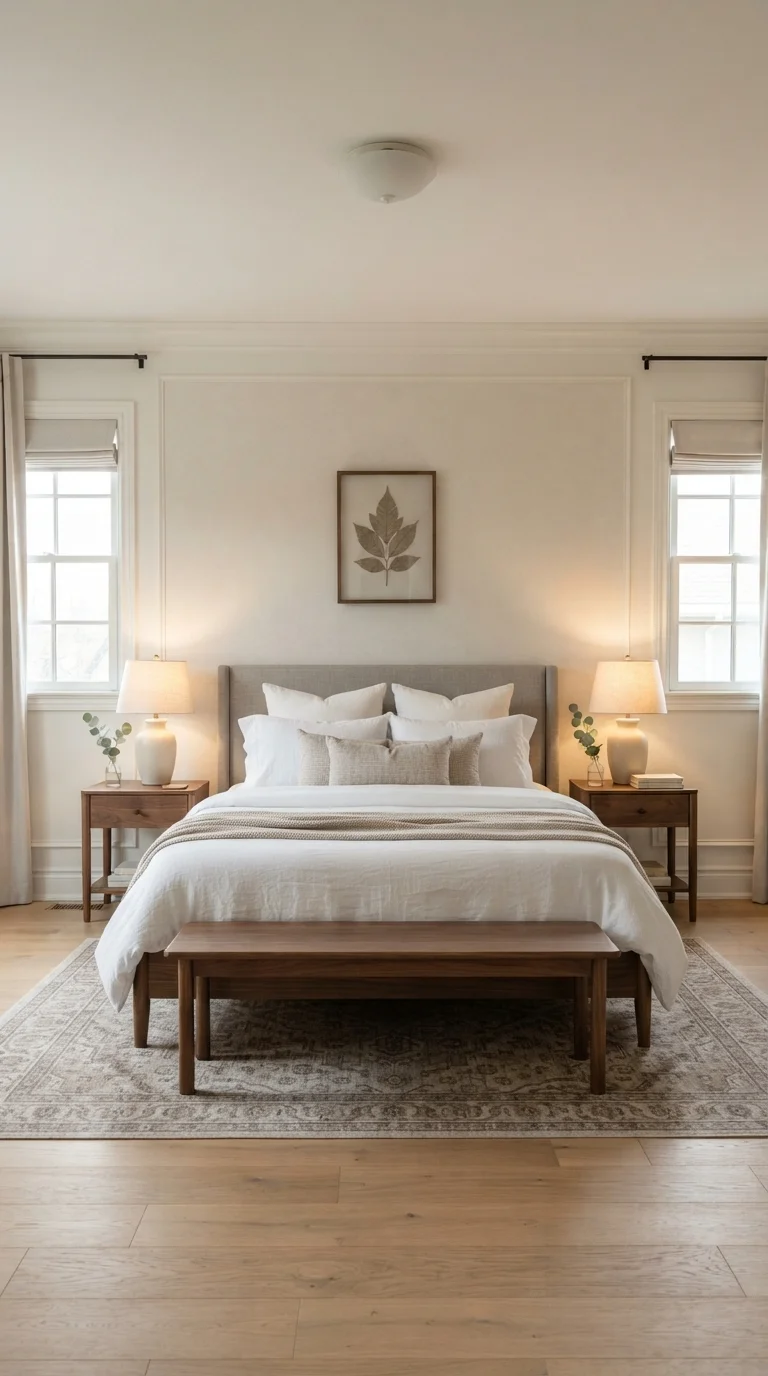
Symmetry is the easiest way to make any bedroom feel balanced and peaceful. Place your bed in the center of the wall and flank it with matching nightstands and lamps to create a sense of order. Even if your nightstands are mismatched, you can achieve symmetry by using matching lamps or identical art pieces above them. This traditional layout is highly effective for smaller rooms because it creates a clear path for movement and makes the space feel larger and more intentional.
12. Declutter with Hidden Storage
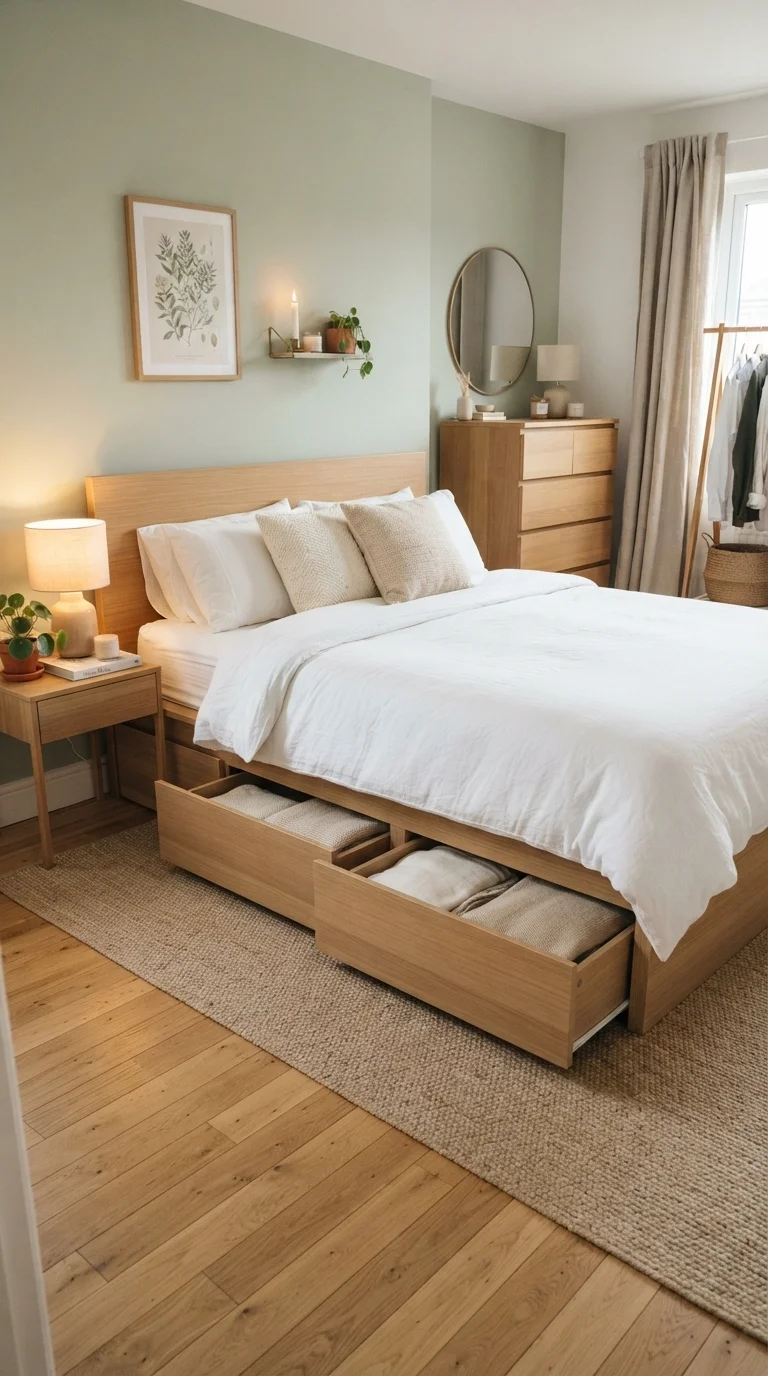
A cluttered bedroom is the enemy of rest. Invest in a bed frame with built-in drawers or use slim storage bins underneath your bed to house off-season clothing, extra linens, or shoes. By clearing your surfaces of unnecessary items, you allow the room to breathe. Use matching baskets or bins if you have open shelving to keep the look uniform and calm. This focus on functional storage is the hallmark of a professional interior designer, ensuring that the room remains a sanctuary rather than a storage unit.