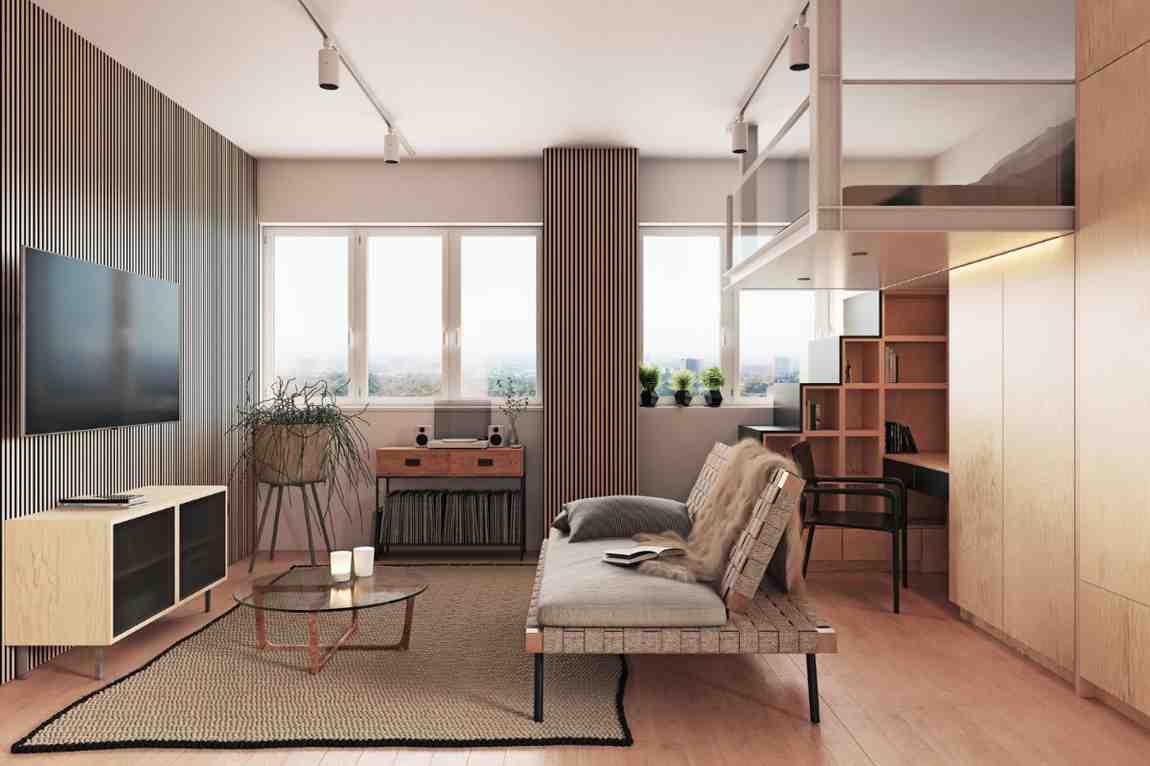
25 Compact Living Room Ideas 2026 That Work
I moved into a 480 square foot apartment last year, and my living room measured barely 11 by 13 feet. Every sofa I liked online looked huge in person, and my first rug was too small by almost two feet. These 25 compact living room ideas come from that trial and error, plus real prices, real paint codes, and real 2026 design trends, not vague inspiration photos.
The fastest way to make a compact living room feel bigger in 2026 is a low sofa under 75 inches wide, a rug sized at least one-third under the sofa, and one warm neutral wall color like Sherwin-Williams Universal Khaki SW 6150.
Low-profile sofa for open sightlines
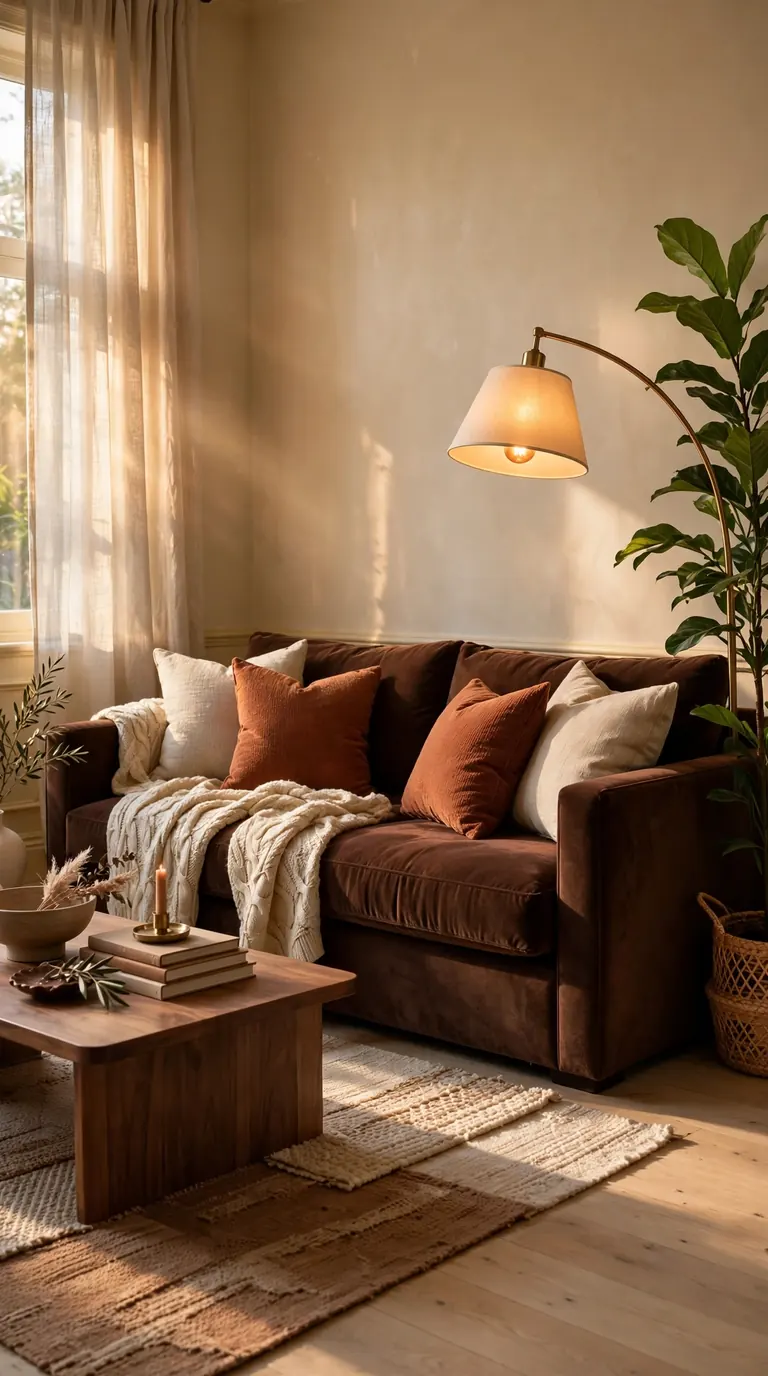
A sofa with raised legs and a slim frame keeps your eye moving across the room instead of stopping at a wall of upholstery. This idea works best for renters and first-apartment owners who want the room to feel taller than it is. The Burrow two-seater plus ottoman runs around 888 dollars and ships in boxes that fit through narrow hallways, which mattered to me when my old building had a tight stairwell.
I switched from a boxy loveseat to a leggy sofa, and the room instantly read bigger, even though the square footage never changed. The trade-off is less deep seating, so it is not ideal if you want to stretch out for naps. For anyone furnishing a first place on a budget, this is one of the cheapest fixes with the biggest visual payoff.
Rug sized one-third under the sofa
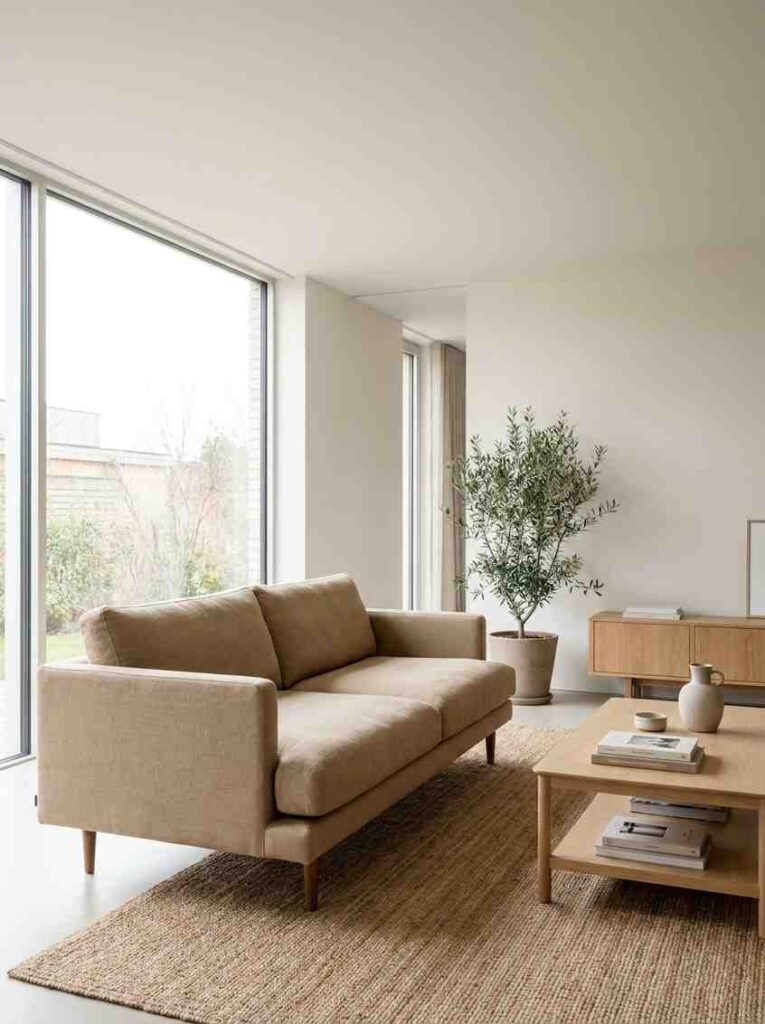
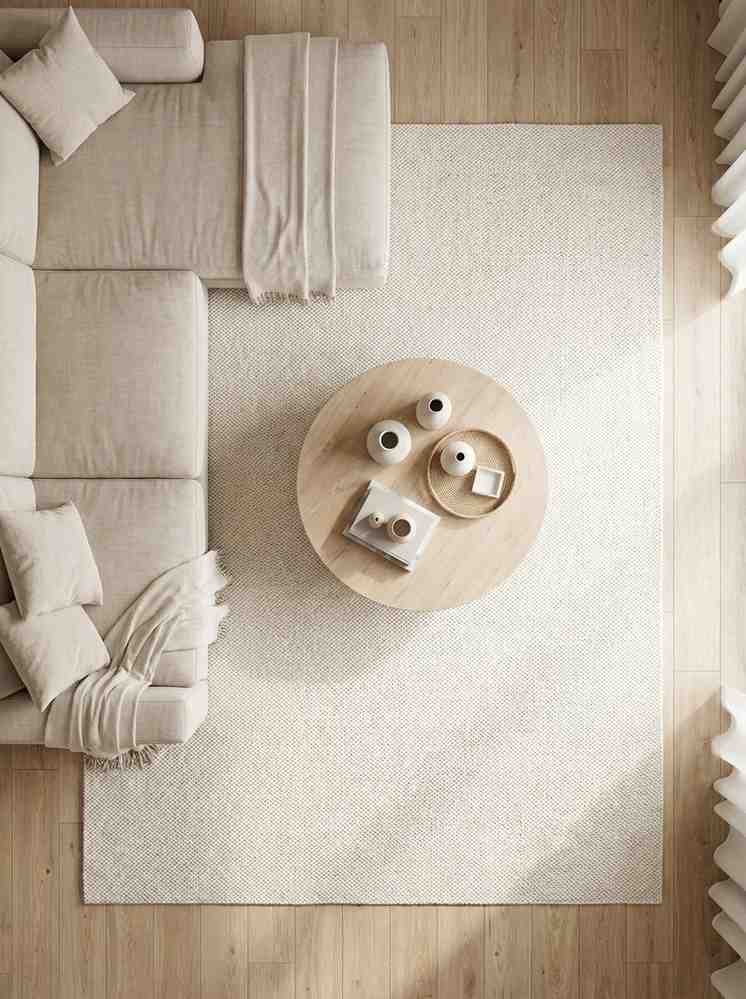
Interior columnist Athena Calderone recommends a rug that extends at least one third of the way under your sofa and is wider than the sofa itself. This idea is for anyone whose small rug is floating in the middle of the room, looking like an island. Rugs at this size typically run 8 by 10 feet, priced between 150 and 600 dollars depending on material.
My first rug was 5 by 7 feet, and it made my whole living room look smaller, not bigger. Once I upsized to 8 by 10, the room felt grounded, and the furniture finally looked intentional. The only downside is cost, since a properly sized wool rug can run past 400 dollars, but a jute blend keeps it under 200.
Multifunctional TV stand with hidden storage
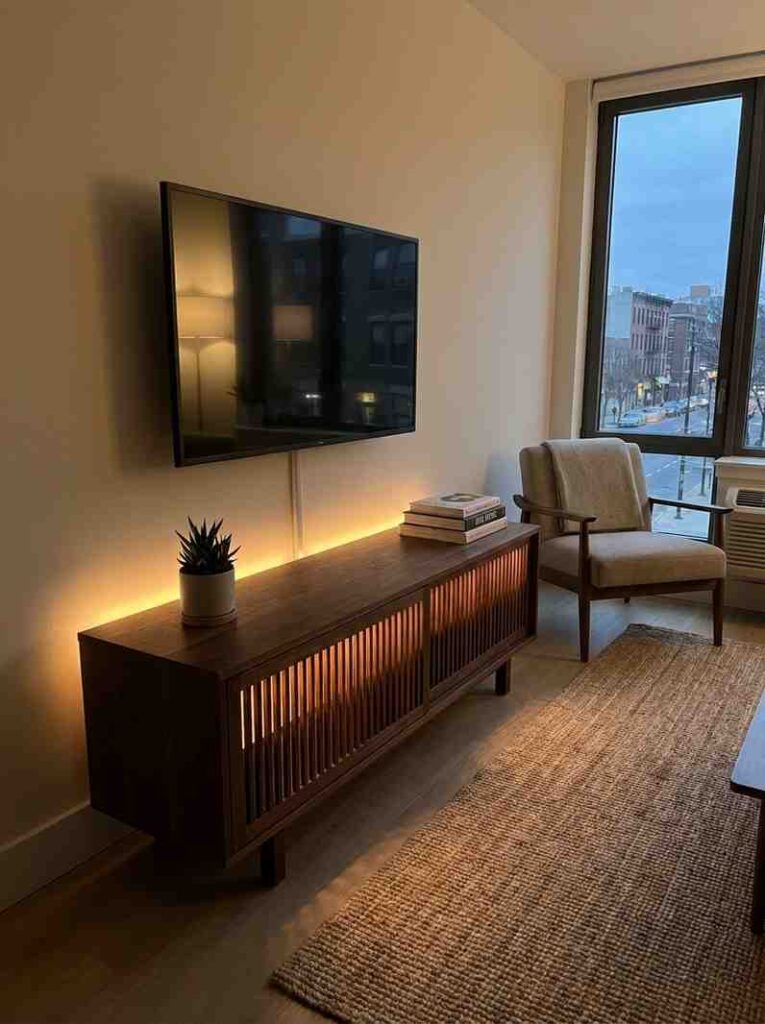
A multifunctional TV stand replaces three separate pieces of furniture with one, which matters when floor space is limited. This idea suits anyone using their living room for streaming, gaming consoles, and everyday clutter storage. Povison’s tested model runs close to 1287 dollars with coupons and includes cable cutouts plus ambient LED lighting.
The slatted doors hide gear while letting it breathe, so consoles do not overheat behind closed cabinetry. My own stand cost far less, around 300 dollars, but I lost the ambient lighting feature. If the budget is tight, look for any stand with adjustable shelves and closed storage on at least one side.
Vertical wall shelving instead of floor cabinets
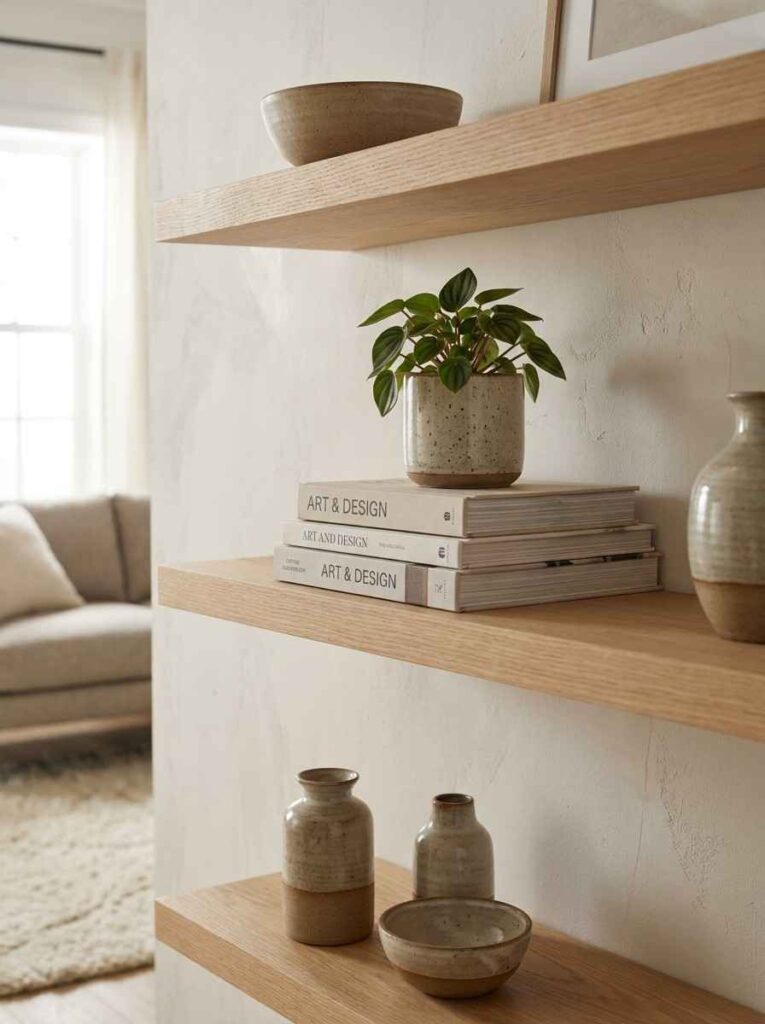
Floating shelves keep your floor clear while still giving you display and storage space. This idea works well in apartments under 500 square feet where every foot of floor matters. A basic three-shelf floating set costs between 40 and 120 dollars, depending on wood type and bracket style.
I mounted three oak shelves above my console table and stopped needing a bulky bookcase entirely. The room felt taller because my eye traveled upward instead of stopping at furniture height. The only con is weight limits, since most floating brackets max out around 25 pounds per shelf.
Modular sectional that grows with your space
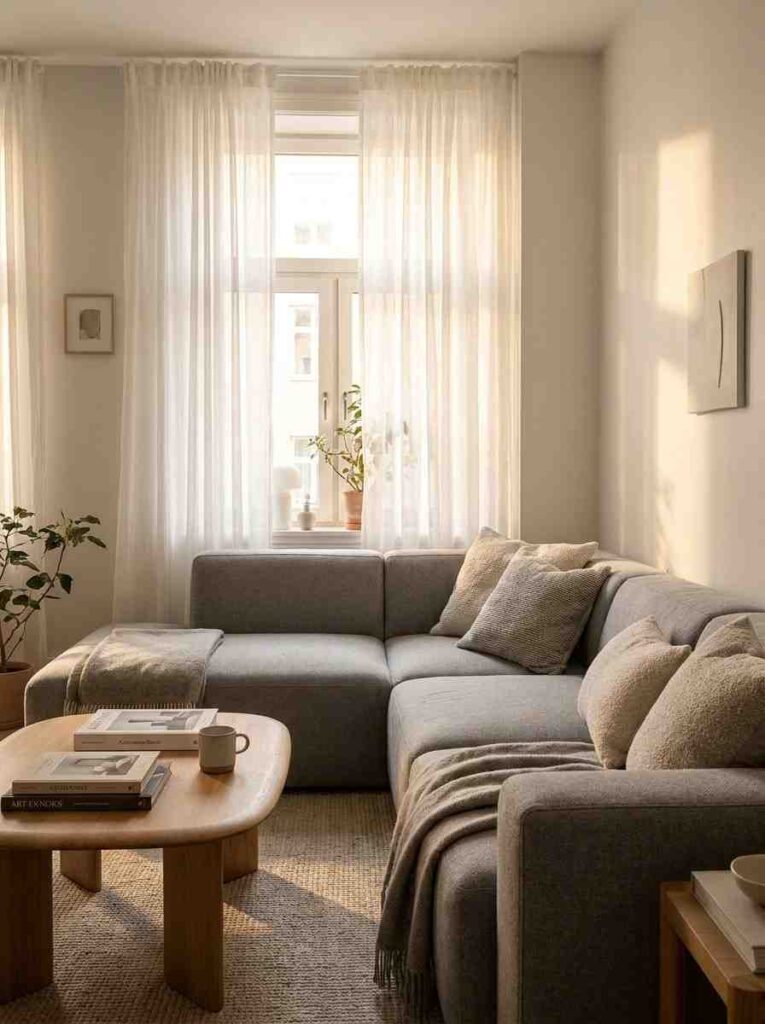
A modular sectional like the Cozey Ciello ships in separate boxes and comes in 11 to 14 configurations, so it adapts as your needs change. This idea fits people who rent and move often, since pieces can be rearranged for different room shapes. Pricing starts around 2230 dollars for a corner configuration.
Former shopping writer Haley Lyndes noted the performance fabric feels high quality despite the accessible price point. I like that you can start with two seats and add a chaise later instead of committing to one fixed shape. The downside is assembly time, since more modules mean more connecting hardware.
Accent wall in Universal Khaki SW 6150
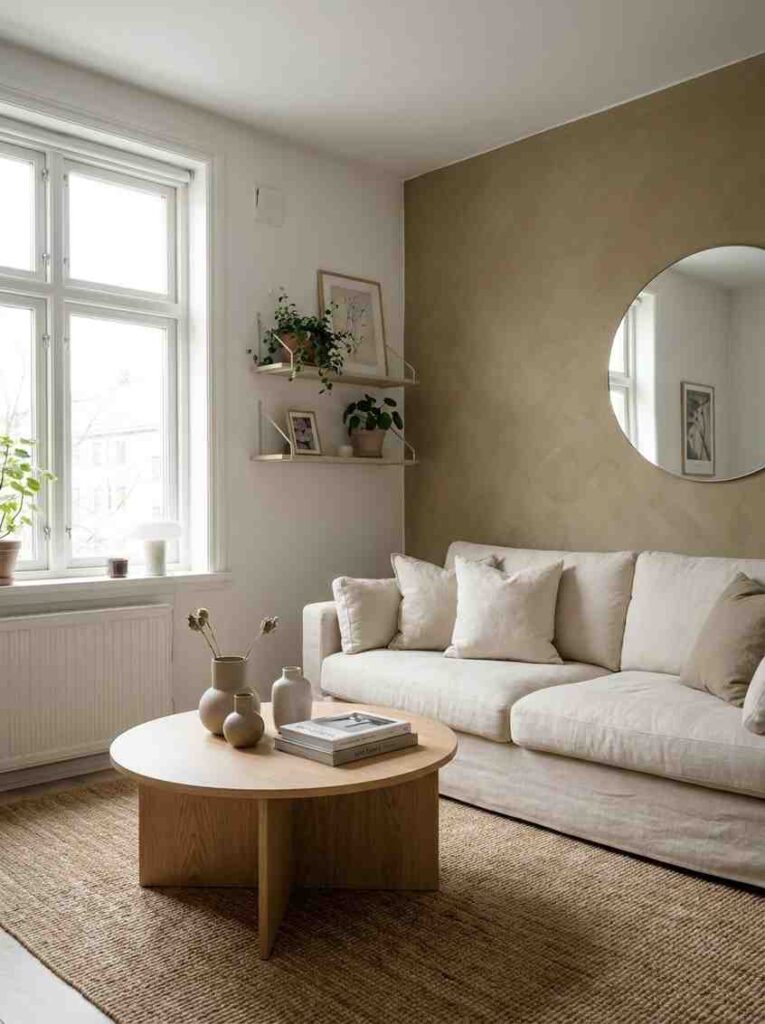
Sherwin-Williams named Universal Khaki SW 6150 its 2026 color of the year, a warm mid-tone neutral with soft green undertones. This idea works for anyone nervous about bold color but wanting a 2026 refresh. A gallon runs about 65 dollars and typically covers 400 square feet in two coats.
Director of color marketing Sue Wadden describes it as a shade that brings grounded elegance to any space. I painted just my TV wall in this tone and kept the other three white, which avoided making the small room feel boxed in. Full room color drenching looks striking in photos but can shrink a genuinely small space visually.
Deep accent trim in Silhouette AF 655
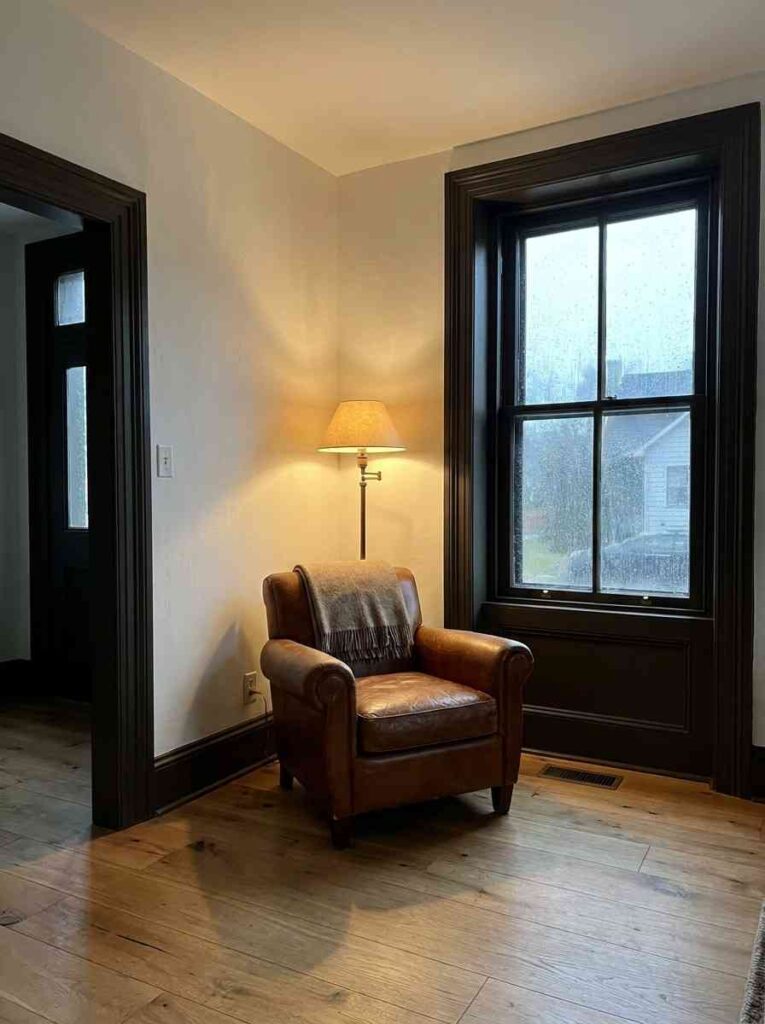
Benjamin Moore’s 2026 color of the year, Silhouette AF-655, blends burnt umber with charcoal undertones. This idea suits built-ins, cabinetry, or a single trim detail rather than full walls in a compact room. A quart sample costs around 12 dollars, useful for testing before committing to a full gallon at 70 dollars.
Director of color marketing Andrea Magno compares it to a tailored suit, versatile enough to pair with lighter palettes. I used it only on my window trim, and it added contrast without darkening the whole room. Painting an entire small room in this shade can feel heavy without enough natural light.
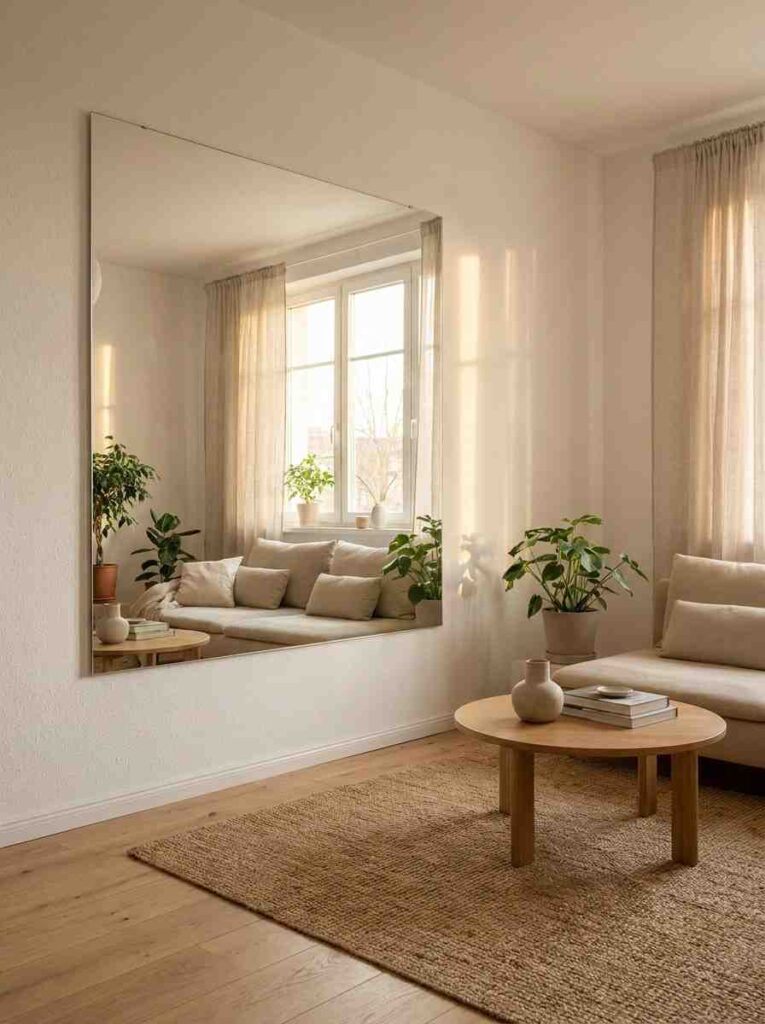
Mirror placed opposite the main window
A mirror hung directly across from your largest window doubles the natural light bouncing through the room. This idea is nearly free if you already own a mirror, or costs 50 to 150 dollars for a simple frameless option. It works in any compact living room regardless of style.
I hung a 30 by 40 inch mirror across from my window, and the room visibly brightened by late afternoon. Mirrors also add a sense of depth, tricking the eye into reading more square footage than exists. The only downside is glare on sunny days, which some people find distracting.
Round coffee table for better traffic flow
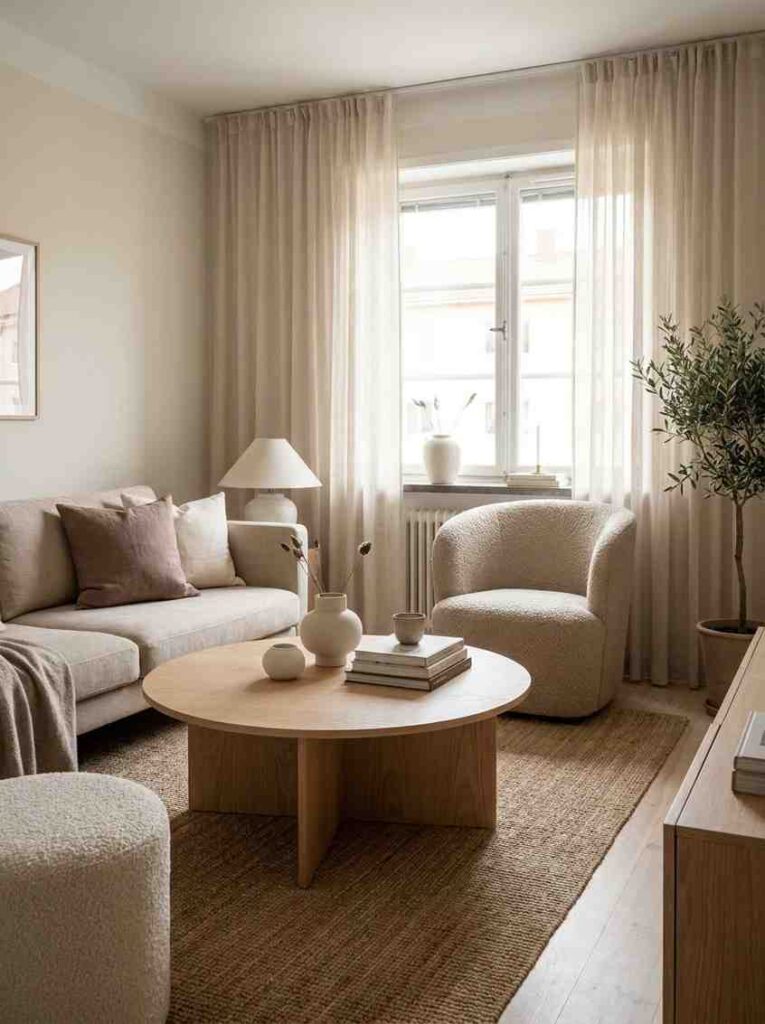
Interior designers Amanda Norcross and Scott Paterek note that sharp corners hinder movement in tight rooms. A round or oval coffee table softens circulation paths in a compact living room ideas layout. Prices range from 90 dollars for basic wood versions to 400 dollars for stone top designs.
I replaced a rectangular table with a 30-inch round one and stopped bruising my shins on corners weekly. Circulation improved enough that I could finally walk around it without turning sideways. Round tables do offer less flat surface area, which matters if you use yours for work or dining.
Slim console table behind the sofa
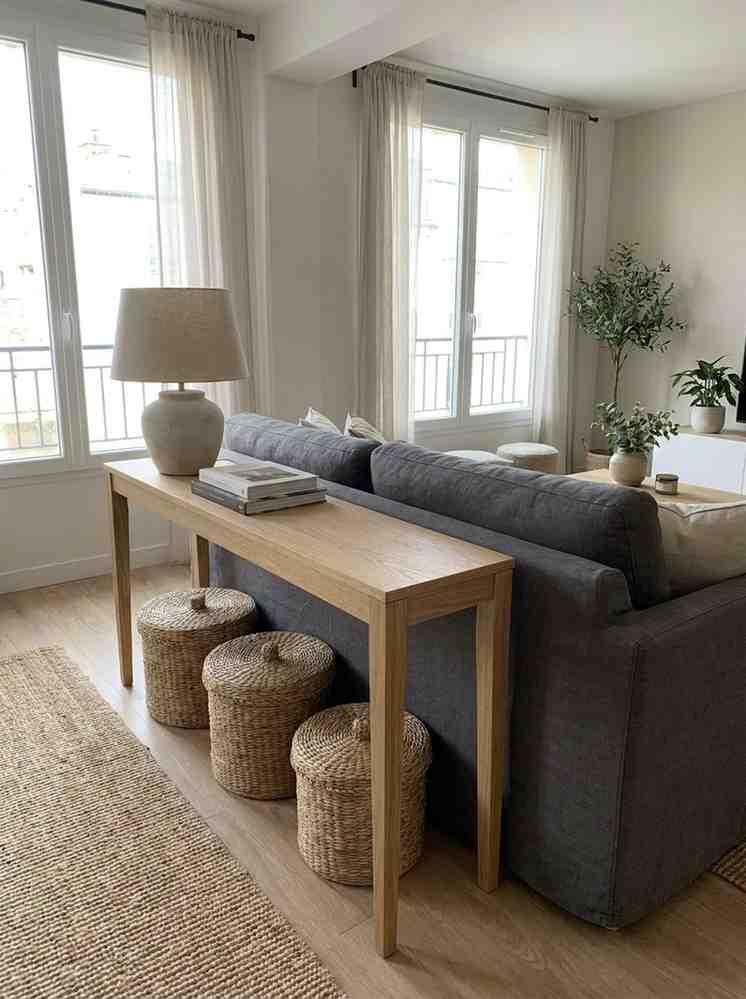
A console placed behind a floating sofa divides zones without adding a wall or blocking light. This idea suits open floor plans combining living and dining or entry areas. Basic consoles run from 80 to 250 dollars depending on material and storage features.
I used mine to hide a router, mail, and shoes in baskets underneath, which kept clutter out of sight. The surface also doubles as a lamp perch, adding light without a floor lamp taking up space. The console does need at least 14 inches of depth to feel useful rather than decorative.
Japandi style for a calm, compact room
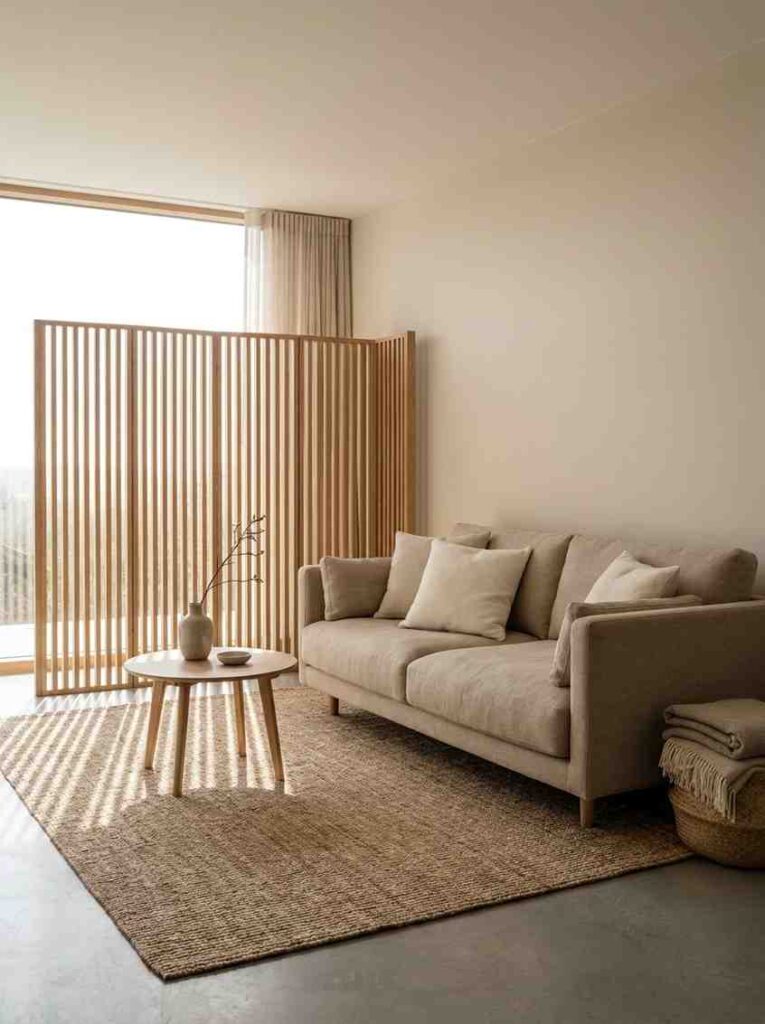
Japandi blends Japanese minimalism with Scandinavian warmth, prioritizing natural materials like wood, linen and stone. This idea fits people who want a 2026 trend that still feels calm rather than busy in a small footprint. Typical Japandi furniture pieces range from 200-dollar linen curtains to 1500-dollar solid wood coffee tables.
Head buyer Monika Puccio at Sofa Club calls Japandi a lifestyle philosophy rather than a fleeting trend. I tried this in my own room using shoji-inspired slatted screens, and it filtered harsh afternoon light beautifully. The look requires discipline, since clutter breaks the aesthetic faster than in busier styles.
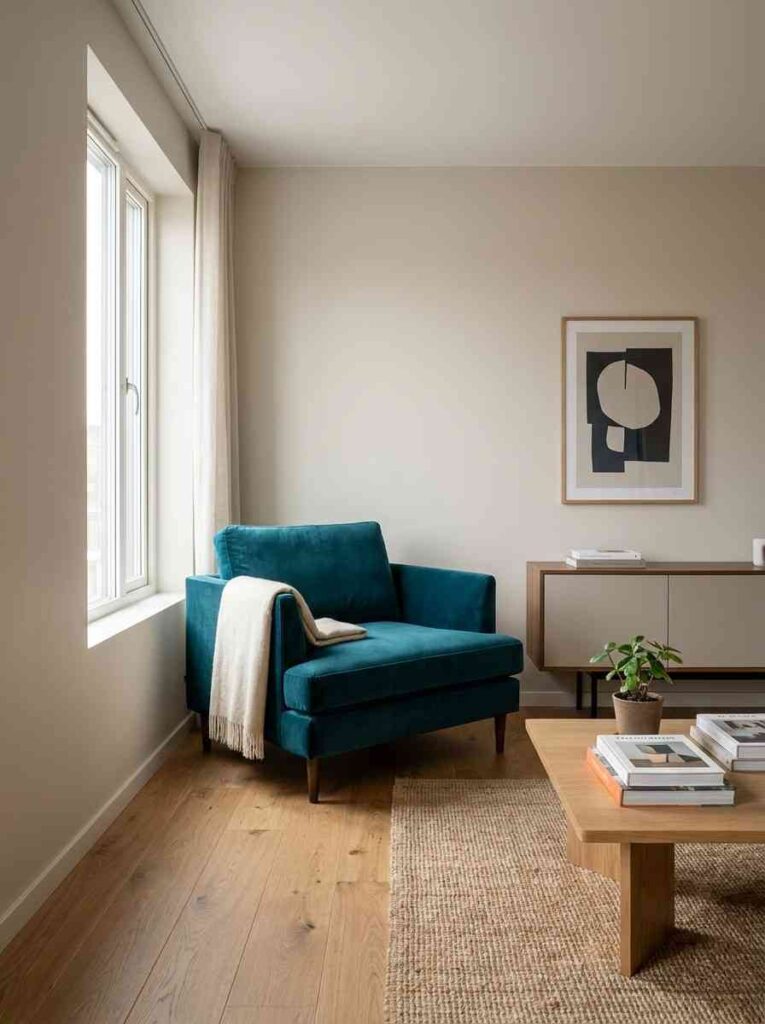
Dopamine decor accent chair
Dopamine decor uses saturated colors like citrus green or vivid blue to create emotional impact in an otherwise neutral room. This idea works for anyone bored with all beige and wanting one bold statement piece. A single accent chair in a bold hue typically costs 300 to 900 dollars.
I added one teal velvet chair to an otherwise neutral room, and it became the first thing guests noticed. The trick is limiting bold color to one anchor piece so the small space does not feel chaotic. Committing to bold color across multiple pieces can overwhelm a compact room fast.
Quiet luxury through fewer, better pieces
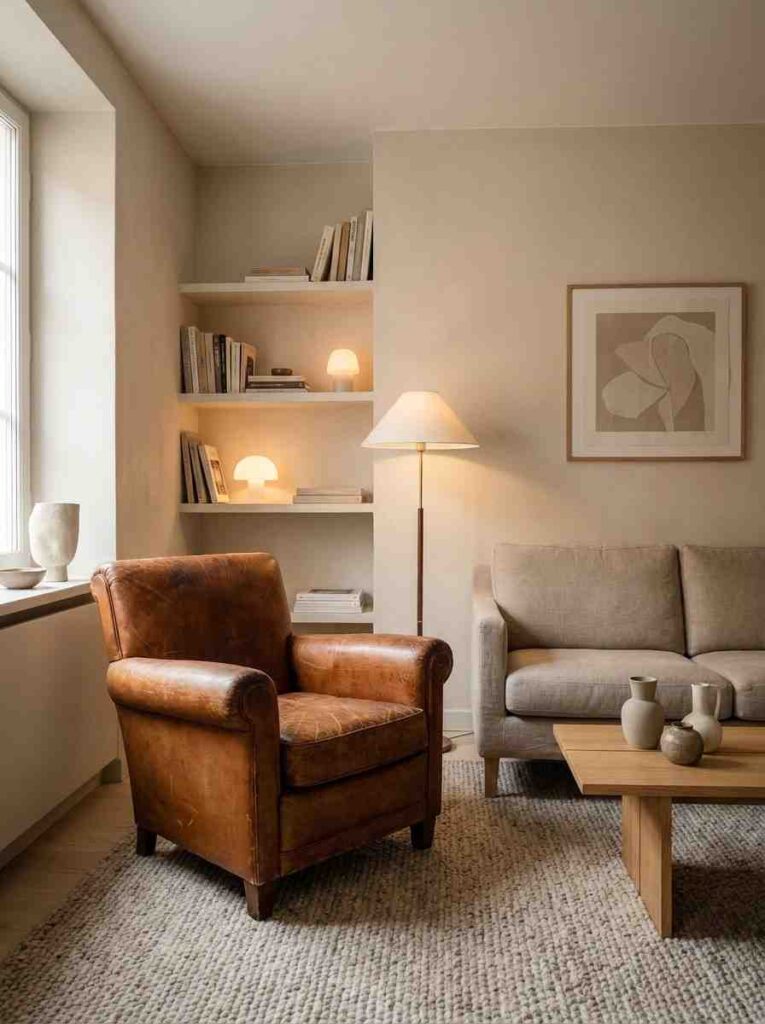
Quiet luxury favors exceptional craftsmanship and premium materials over quantity or flashy branding. This idea suits people furnishing slowly and investing in fewer long-term pieces instead of fast furniture. A single well-made leather chair can run 800 to 2000 dollars but lasts decades with care.
I saved for one genuine leather armchair instead of buying three cheaper pieces, and it anchors my whole room now. The restraint required is real, since quiet luxury depends on empty space feeling intentional, not empty. This approach is not ideal if you want your room finished quickly, since it takes patience.
Storage ottoman instead of coffee table
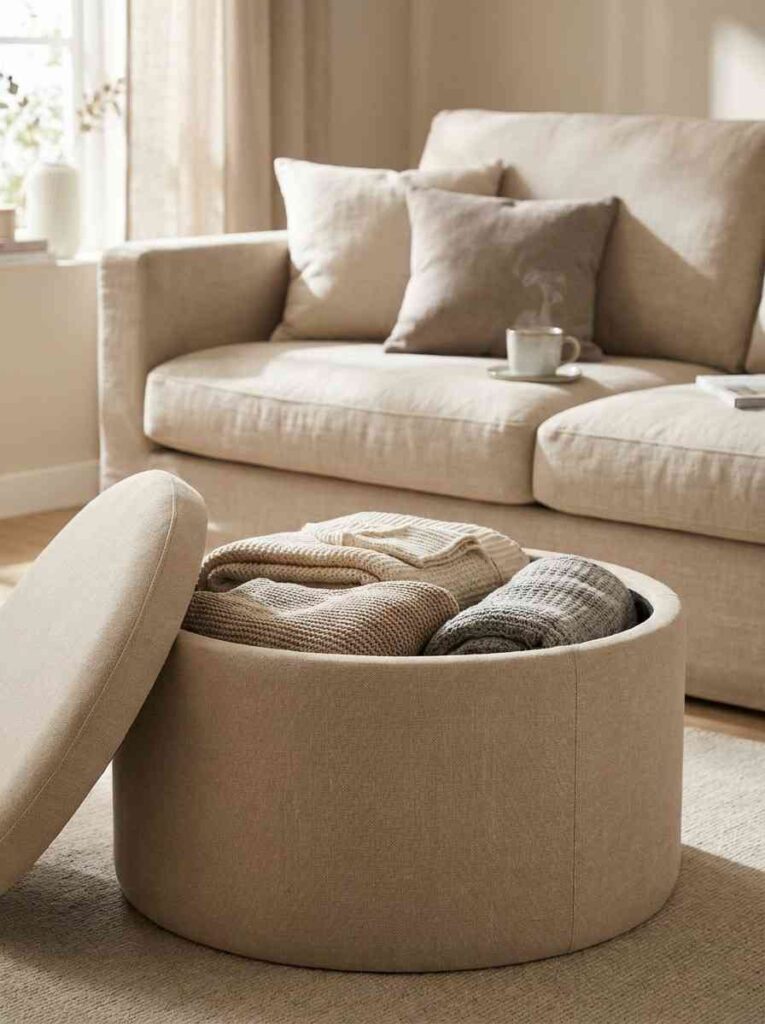
An ottoman with hidden storage replaces a coffee table while hiding blankets, remotes and mail inside. This idea works well for anyone hosting guests who need extra seating fast. Storage ottomans typically cost 100 to 300 dollars, depending on upholstery.
I use mine daily as a footrest, occasional seat, and blanket storage all in one. It softens the room too, since there are no hard corners to navigate around like a wood table. The tradeoff is a less durable surface area if you need to set down drinks often.
Versatile bench for extra seating
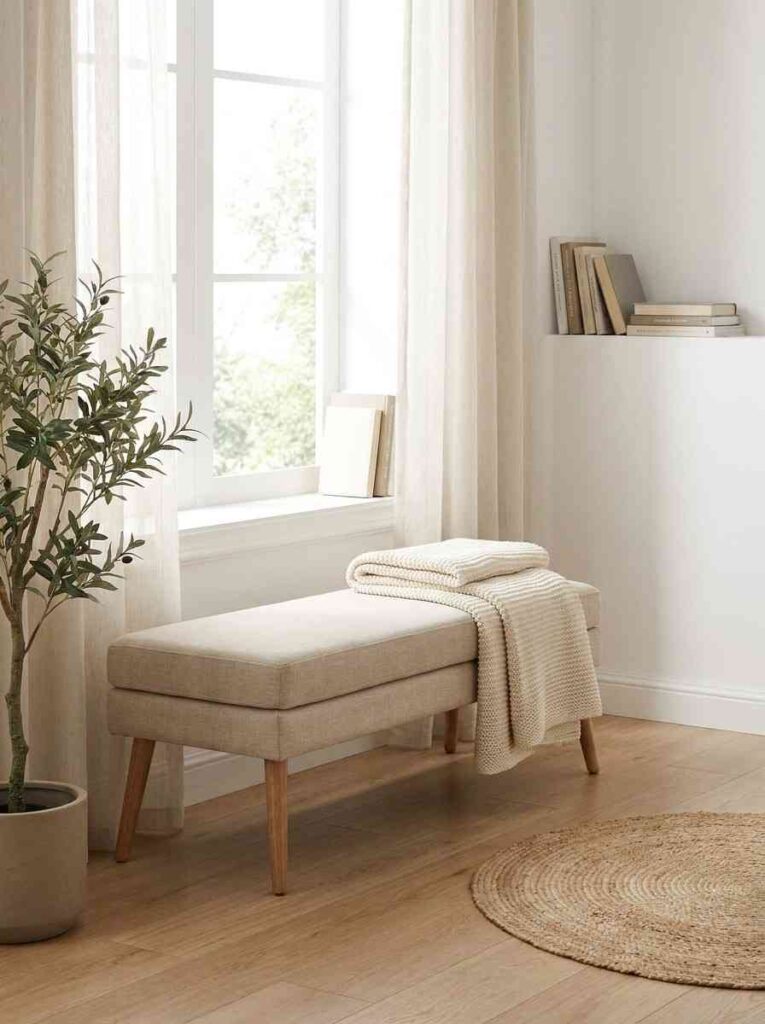
A versatile bench gives first-time homeowners flexible seating that can move between the entry, dining nook or living room as needed. This idea suits anyone without space for a permanent second sofa or loveseat. Simple wood benches start around 80 dollars, upholstered versions closer to 250 dollars.
I keep a narrow bench under my window and pull it toward the coffee table whenever guests come over. It stores flat against a wall the rest of the time, taking up almost no visual weight. Benches lack back support, though, so they are better for short-term seating than daily lounging.
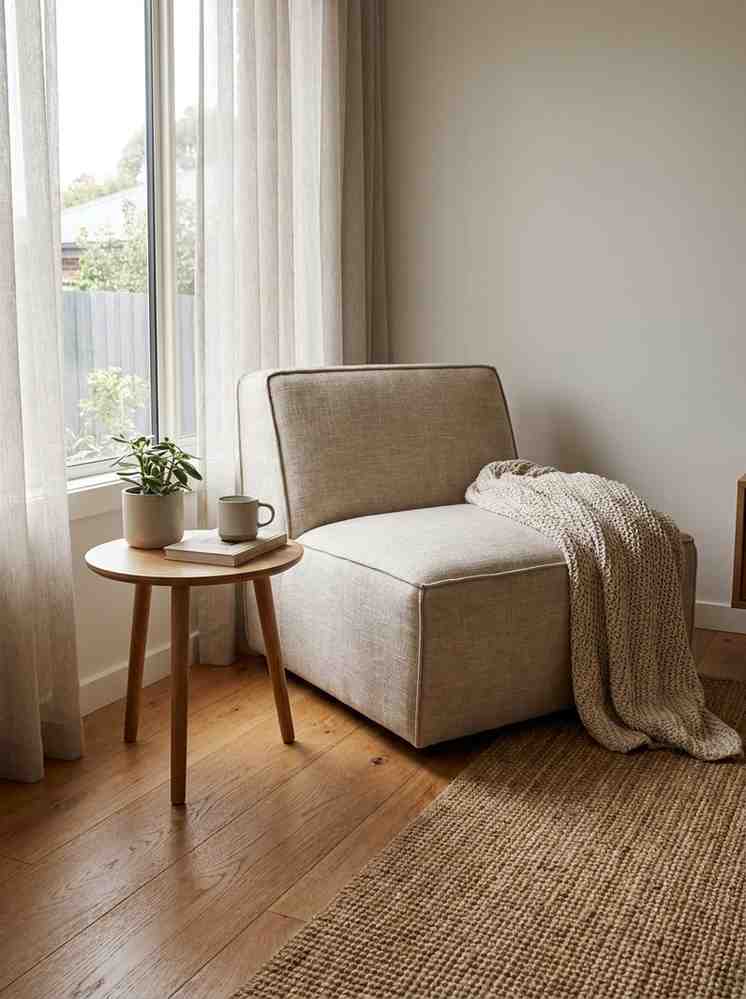
Armless accent chair for tight corners
An armless chair takes up noticeably less visual and physical space than a traditional armchair. This idea works in awkward corners where a bulky chair would block a walking path. Prices range from 150 dollars for basic designs to 500 dollars for designer versions.
I fit one into a corner that had been empty for months because nothing else fit properly. Removing the arms freed up almost 8 inches of width, which made a real difference in a room this size. The lack of arms does mean less lounging comfort for longer sitting sessions.
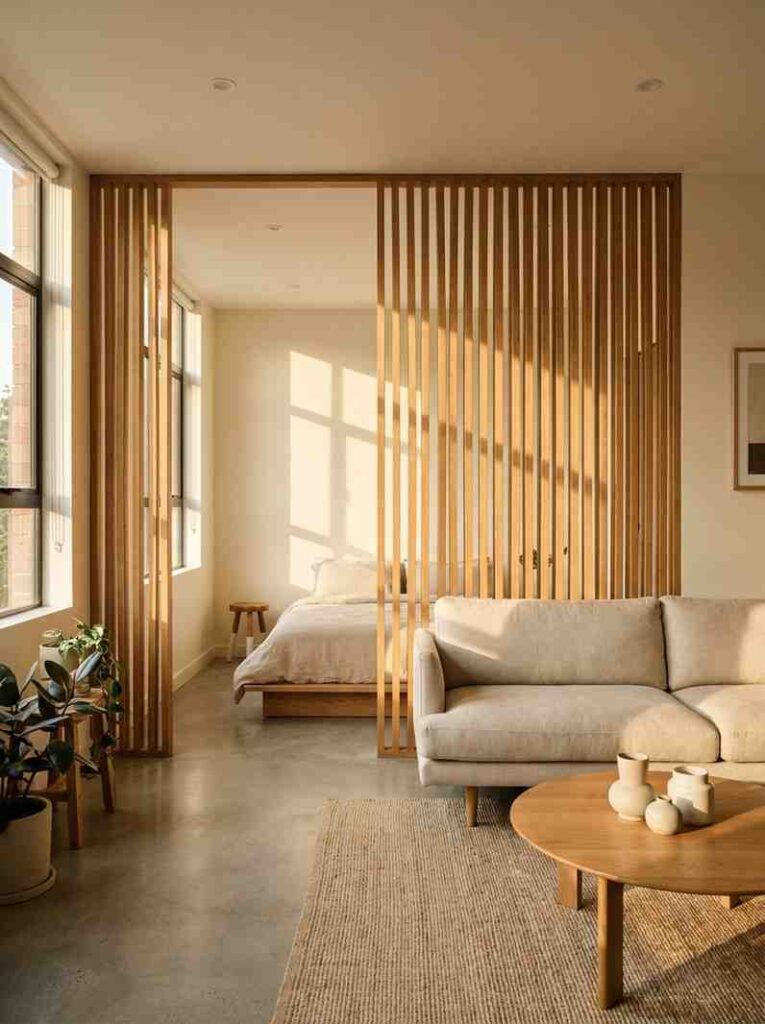
Slatted wood room divider for zoning
A slatted wood divider separates a living area from a sleeping or dining zone while still letting light pass through. This idea suits studio apartments where one room serves multiple functions. Freestanding slatted dividers cost 150 to 400 dollars depending on height and wood type.
I used mine to separate my bed nook from the living area without losing natural light from my one window. Every section can double as narrow shelving, so it earns its footprint instead of just dividing space. Installation against uneven walls can be tricky without proper anchoring hardware.
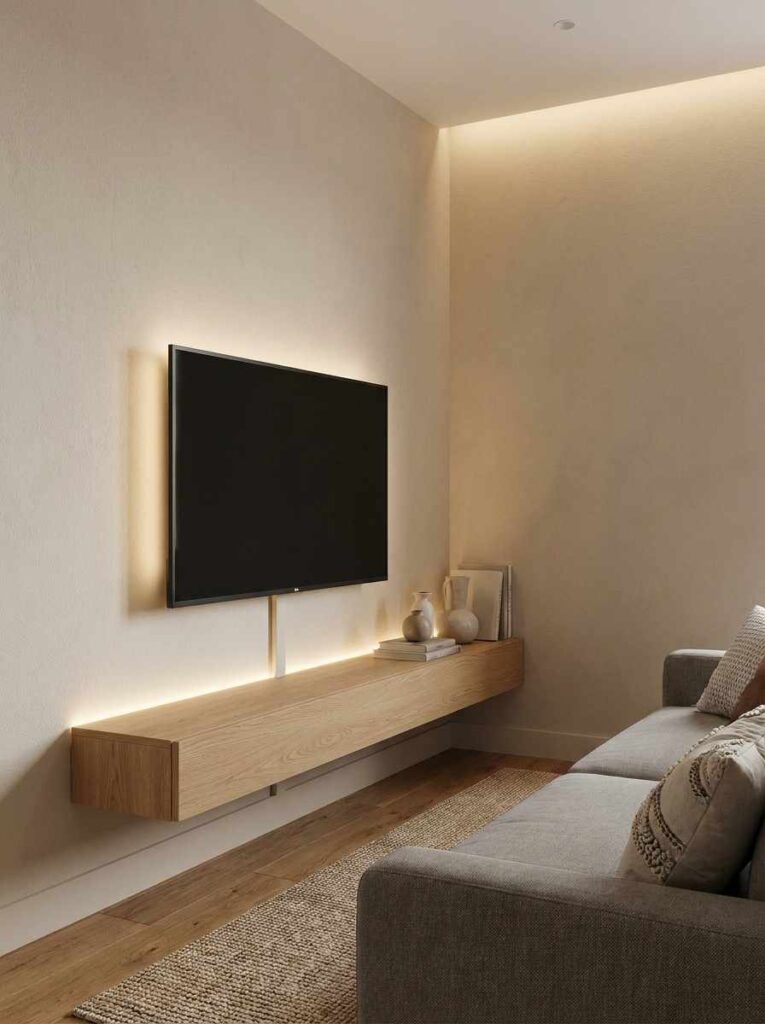
Wall-mounted TV to reclaim floor space
Mounting your television frees up the floor space a traditional stand would otherwise occupy. This idea benefits anyone with compact living room ideas under 200 square feet. Basic wall mounts cost 30 to 80 dollars, with professional installation adding another 100 to 150 dollars.
I mounted mine above a slim floating shelf instead of buying a full console, saving nearly 3 feet of floor space. The room instantly felt less crowded once the bulky stand was gone. The main con is cable management, which needs planning before you drill into drywall.
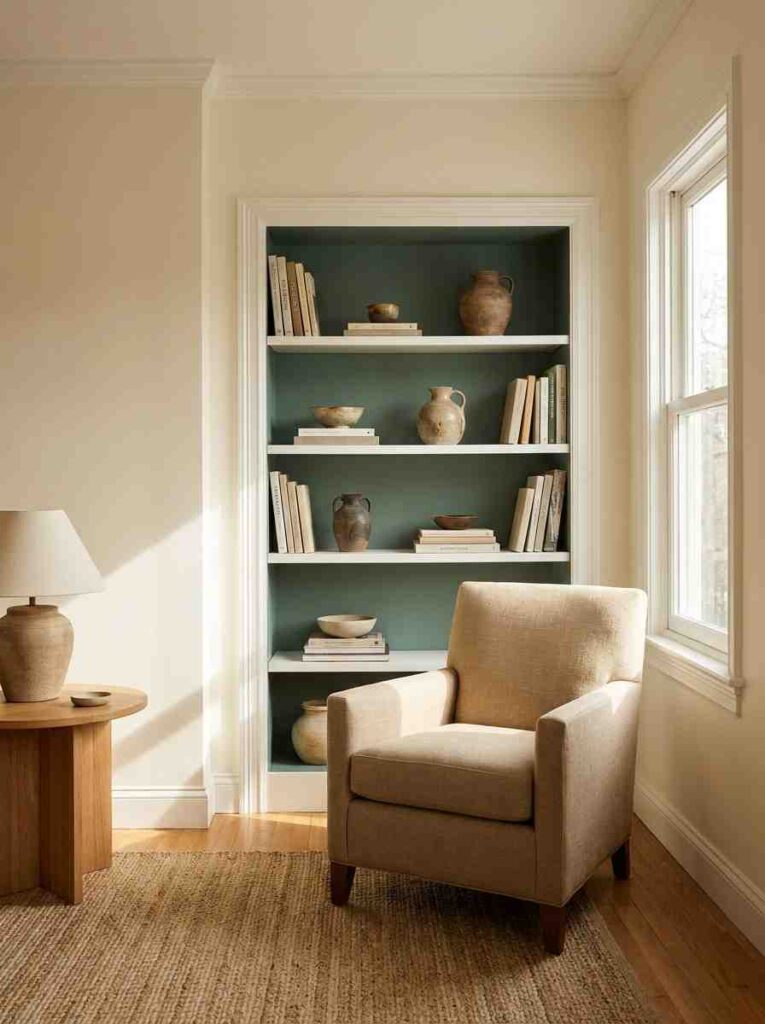
Warm minimalism with Behr Hidden Gem accents
Behr named Hidden Gem N430-6A its 2026 color of the year, a smoky jade green with quiet sophistication. This idea fits warm minimalism, a trend using creamy neutrals with one grounding color accent. A gallon costs about 60 dollars and works well on cabinetry, trim or a single accent wall.
Vice President Erika Woelfel describes it as a grounded yet energizing hue for interiors seeking calm depth. I used it only on a bookshelf backing rather than a full wall, keeping the room light overall. Full wall application can read dark in rooms without much natural daylight.
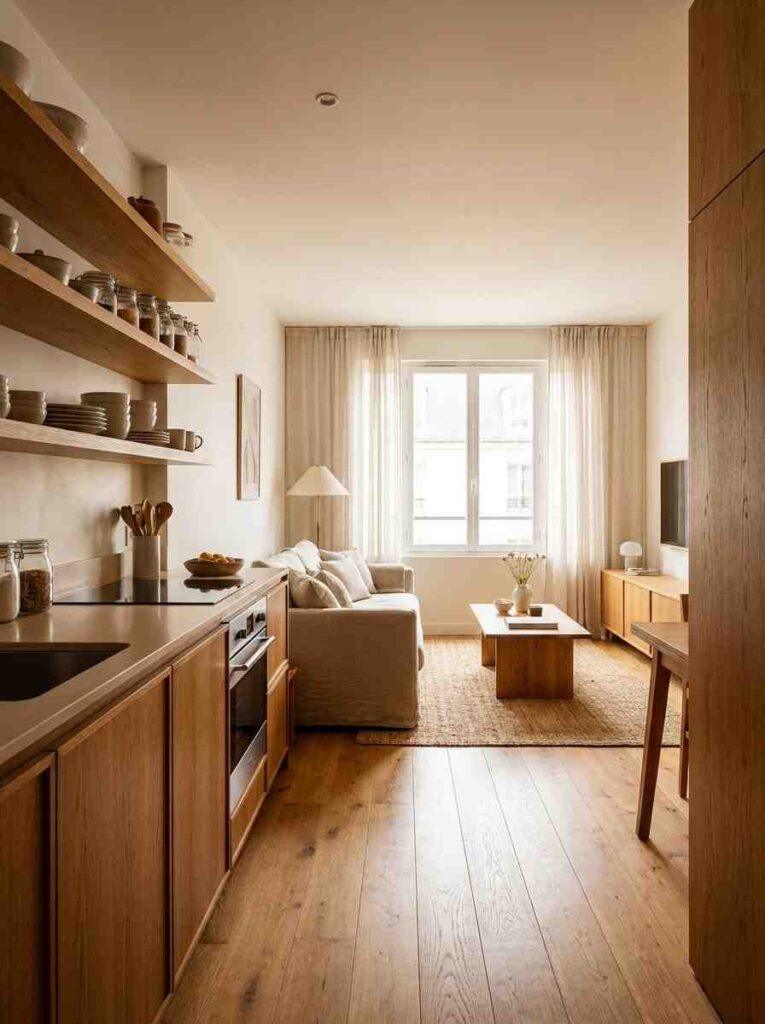
Open shelving for combined kitchen and living zones
Open shelving keeps a combined kitchen and living area feeling light instead of closed off by bulky cabinets. This idea suits studio apartments or open-concept layouts common in newer builds. Simple open shelf units run from 60 to 200 dollars depending on length and material.
Matching tones between the kitchen and living zone kept my open plan cohesive instead of feeling split into two rooms. Open shelving also displays everyday items as decor, which saves buying separate decorative pieces. The tradeoff is more visible clutter, since everything on open shelves stays on display.
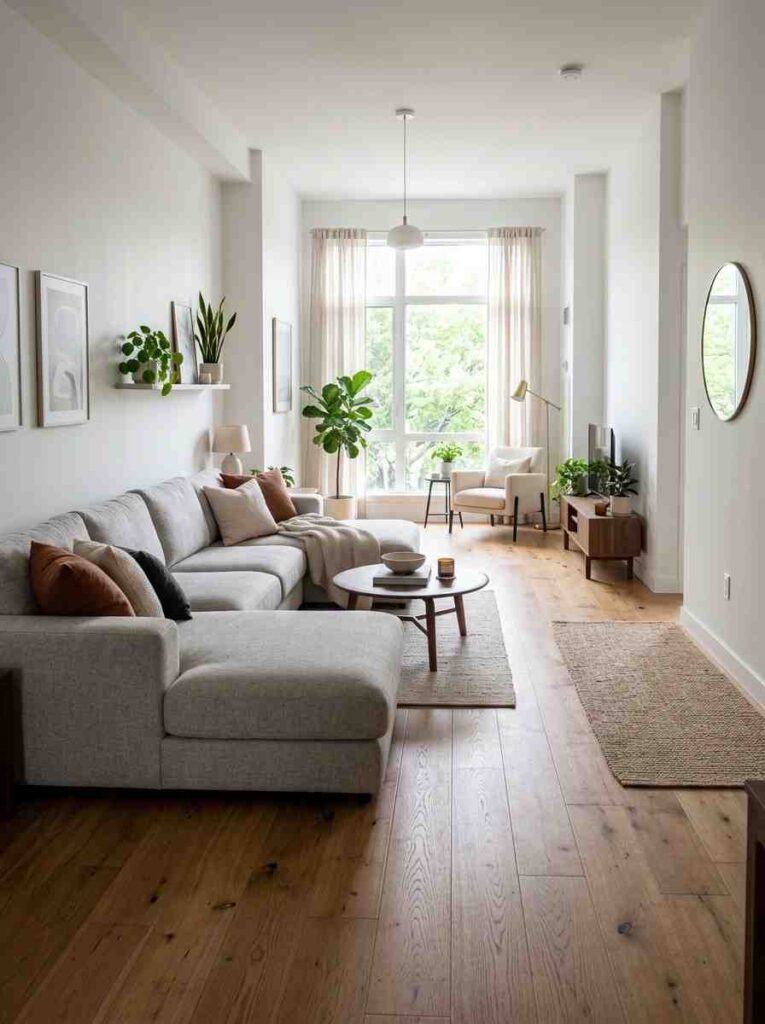
Narrow sectional for long rectangular rooms
A narrow sectional follows the length of an awkward rectangular room instead of fighting its shape. This idea works specifically for long, narrow living rooms common in older apartment buildings. Narrow sectionals typically run from 1300 to 3200 dollars depending on brand and configuration.
Apartment Therapy’s home tours have profiled several narrow rowhouse living rooms using this exact approach successfully. I arranged mine along the longer wall and left the center completely open for walking through. The layout does sacrifice a symmetrical, centered look that some people prefer.
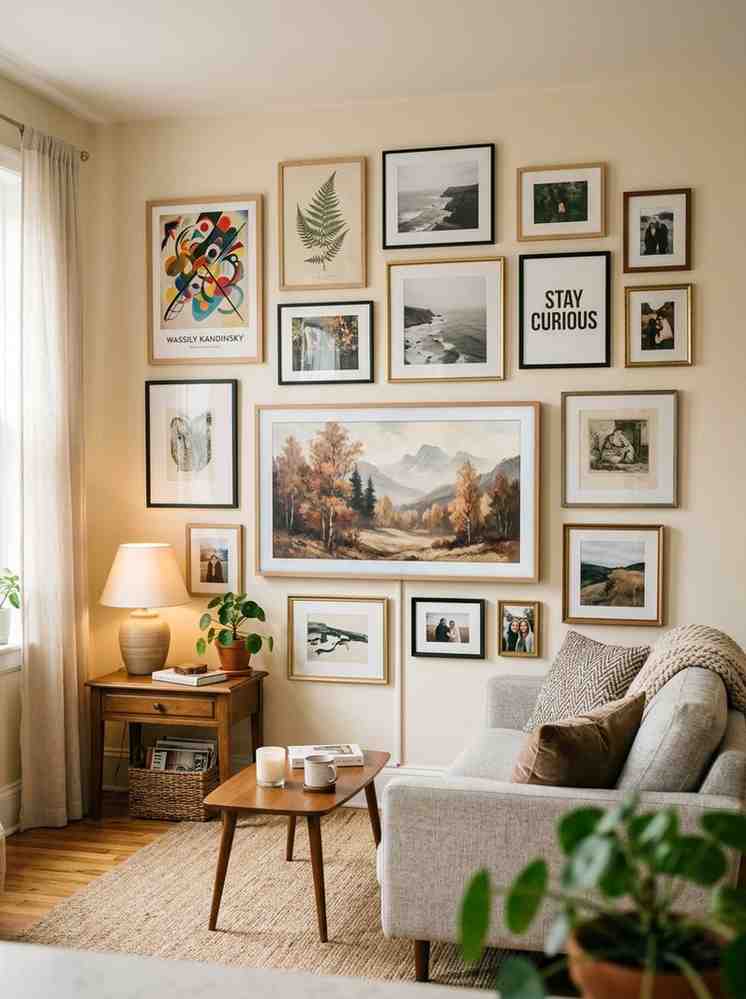
Gallery wall to disguise the television
A gallery wall built around a frame-style TV hides the screen within a cluster of art instead of leaving it as the obvious focal point. This idea suits people who dislike a black rectangle dominating a small room. Framed prints cost 15 to 60 dollars each, depending on size.
I built mine around a frame TV using six mismatched prints, and guests often do not notice the screen at first. It took real trial and error to get spacing right without the layout looking cluttered. The tradeoff is more wall damage from hanging hardware if you rearrange often.
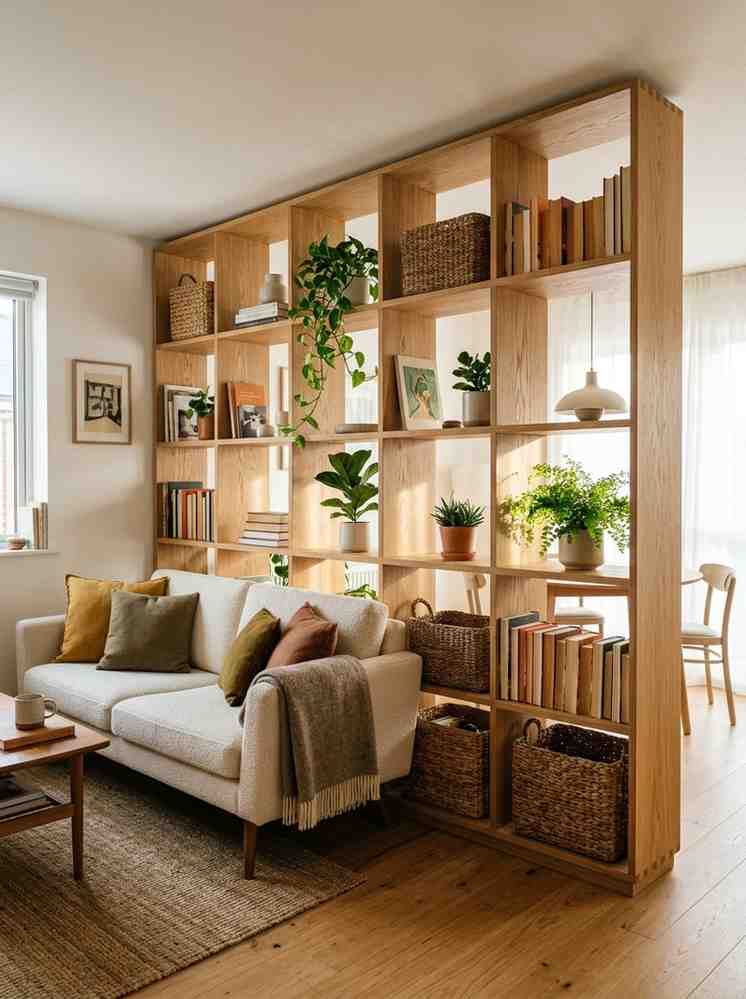
Cube shelf as a functional divider
A cube shelving unit works as both storage and a visual divider between zones in one open room. This idea fits compact apartments needing privacy without sacrificing light flow. Cube units cost 100 to 300 dollars depending on the number of compartments.
Each section held books, plants, or baskets in mine, so the divider never felt purely decorative or wasteful. Light still passed through gaps between cubes, keeping the room from feeling chopped up. The unit does need to be secured to the wall if you have kids or pets nearby.
Small sectional with reversible chaise
The Isaac Reversible Sectional measures just 77 inches wide and lets you position the chaise on either side. This idea suits renters who might need to reconfigure furniture for a future apartment layout. Pricing for similar reversible sectionals runs from 900 to 1800 dollars.
I liked being able to flip the chaise side when I moved to a new unit with a different window placement. Reversible design means one purchase adapts to multiple future floor plans without buying new furniture. The compact scale does mean less total seating than a full-size sectional offers.
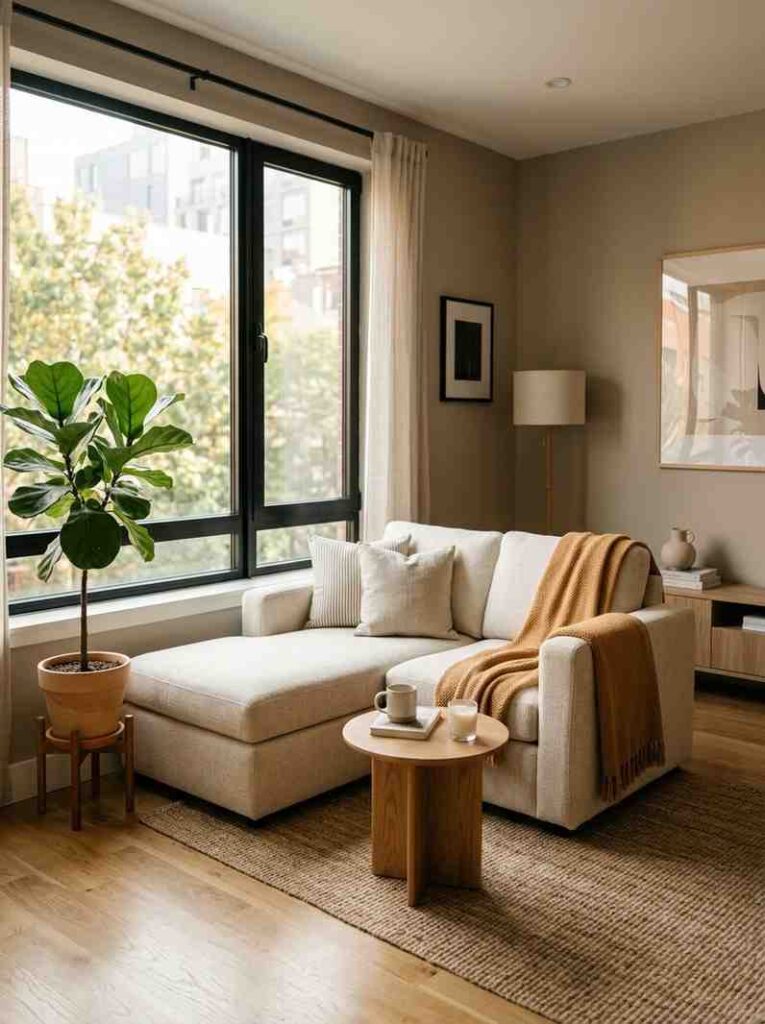
Acoustic textured panels for quiet compact rooms
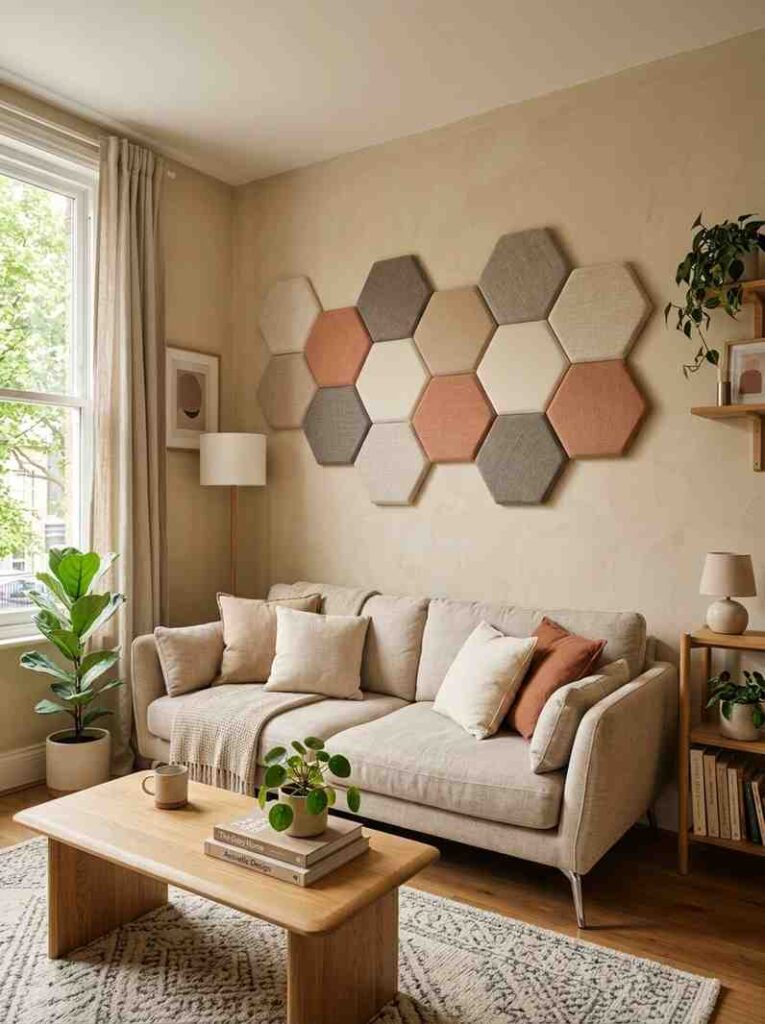
Acoustic wall panels made from cork or upholstered fabric reduce noise bouncing around a small, hard-surfaced room. This idea suits city apartments dealing with street noise or echo from bare walls. Panel sets run from 80 to 250 dollars depending on the coverage area.
I installed a small cluster behind my sofa and noticed less echo during video calls almost immediately. This 2026 trend toward acoustic interiors focuses on comfort and focus, not just decoration. Full wall coverage can look heavy in a small room, so a partial cluster works better visually.
If you are refreshing more than one room this year, our bathroom ideas guide covers similar space tricks for tight footprints, and our kitchen ideas collection pairs well with these compact living room ideas if your space is open plan.
Frequently asked questions
What size rug should I use in a small living room?
Choose a rug that extends at least one third under your sofa and is wider than the sofa itself. Most compact living rooms work well with an 8-by-10-foot rug rather than anything smaller.
Should furniture be pushed against the wall or pulled in for a small living room?
Pulling furniture slightly away from walls, even by a few inches, often makes a room feel more intentional. Designers Amanda Norcross and Scott Paterek recommend leaving at least 3 feet of walking clearance around seating.
Do dark paint colors make a small living room feel smaller?
Not always. A single accent wall in a deep tone like Benjamin Moore Silhouette AF-655 can add depth without shrinking the room, while full room color drenching in dark shades can feel heavier in low-light spaces.
Can a sectional actually work in a small living room?
Yes, if you choose a compact model under 80 inches wide, like a reversible sectional such as the Isaac at 77 inches. Following the perimeter of the room with one sectional often uses less floor space than two separate pieces.
Final thoughts
Pick two or three ideas from this list that match your actual room shape, not just the prettiest photo. Start with the sofa and rug sizing first, since those two choices affect everything else you add later.