Minimalist Bedroom Ideas 2026: 24 Modern Design Looks
I painted my bedroom wall white three times before I understood why it kept looking flat and cold. The fix wasn’t a new color. It was undertone, lighting, and texture working together. That’s the whole secret behind minimalist bedroom ideas that actually feel calm instead of empty.
A minimalist bedroom in 2026 means fewer pieces, but each one earns its place through material, color, and function. It is not about bare walls and one gray blanket. Sherwin-Williams named Universal Khaki SW 6150 its 2026 Color of the Year, a warm sandy neutral that proves minimalism is leaning warmer, not colder.
Below are 24 bedroom ideas minimalist homeowners are actually using this year, with real costs and honest tradeoffs for each.
Warm Khaki Walls For A Calm Modern Base
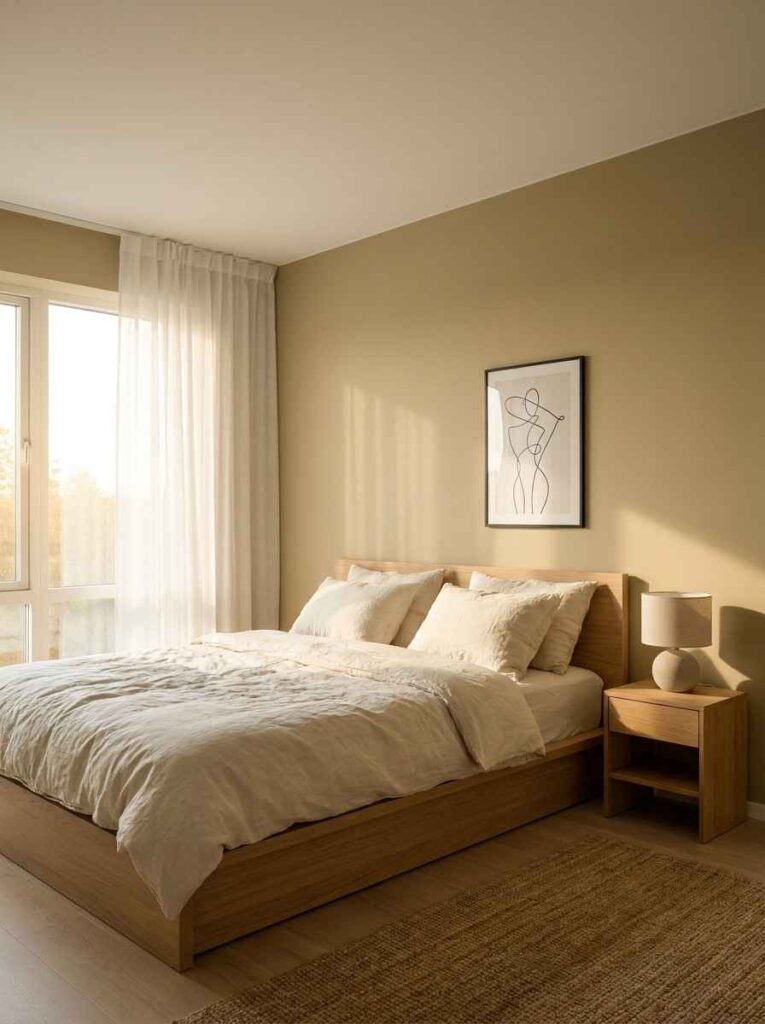
Universal Khaki SW 6150 is Sherwin-Williams’ 2026 Color of the Year, and it works differently than the gray everyone painted in 2018. It has a subtle green undertone that shifts warmer in south-facing rooms and slightly earthier in north-facing ones. A gallon runs about 45 to 65 dollars depending on your local store, and one coat over primed drywall usually covers a 12 by 12 room. I used it in my guest room and skipped the mistake I made with pure white: this color actually looks lived-in under lamp light instead of clinical.
This idea suits anyone nervous about going too stark with minimalist bedroom ideas. The benefit is versatility, since it pairs with both cool grays and warm woods without clashing. The downside is that Universal Khaki reads more beige than gray in certain LED bulbs, so test a sample swatch first. Budget three hours for two coats, including trim taping.
Behr Hidden Gem Accent Wall For Depth
Behr’s 2026 Color of the Year, Hidden Gem N430-6A, is a smoky jade green with an LRV of 14, meaning it reads deep and moody without going fully black. It needs natural light to shine, so this idea works best on a wall facing a window rather than a windowless corner. A single accent wall in a standard bedroom costs around 60 to 90 dollars in paint and supplies if you DIY it yourself over a weekend.
This is the right pick for people who want minimalist bedroom decor ideas with some personality instead of an all-neutral room. The benefit is instant visual anchor behind the headboard, which photographs beautifully for Pinterest boards. The con is commitment: dark green is harder to paint over later than a beige, and it can feel heavy in a small, dim room without supplemental lighting.
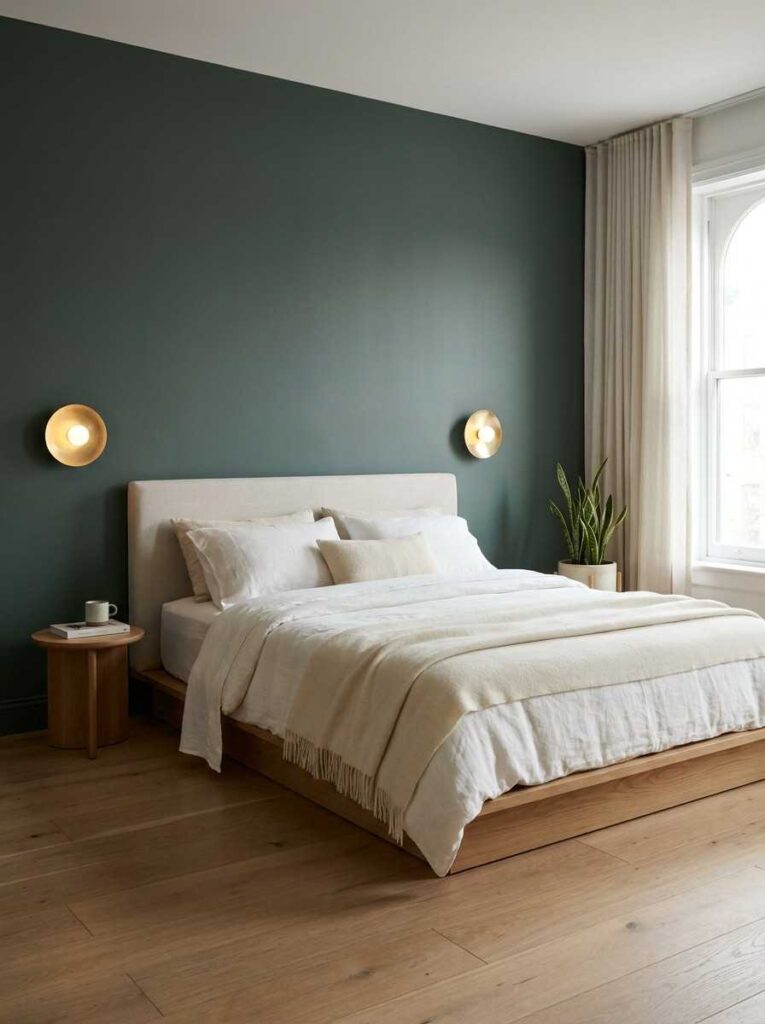
The Low Platform Bed As The Centerpiece
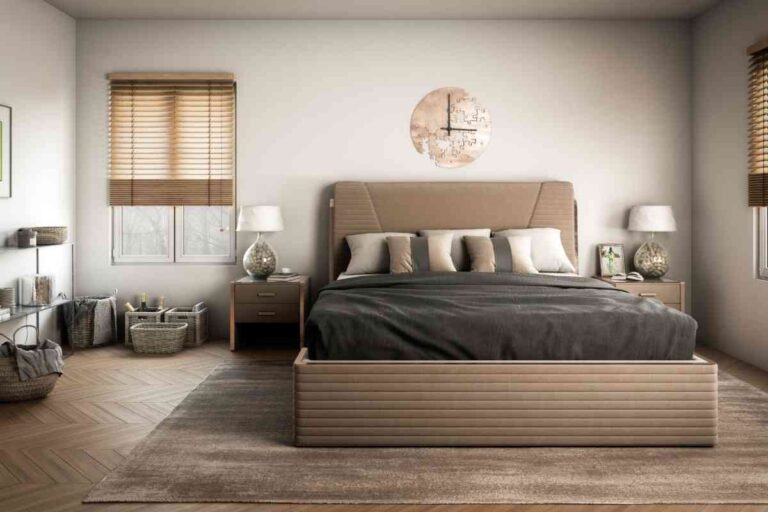
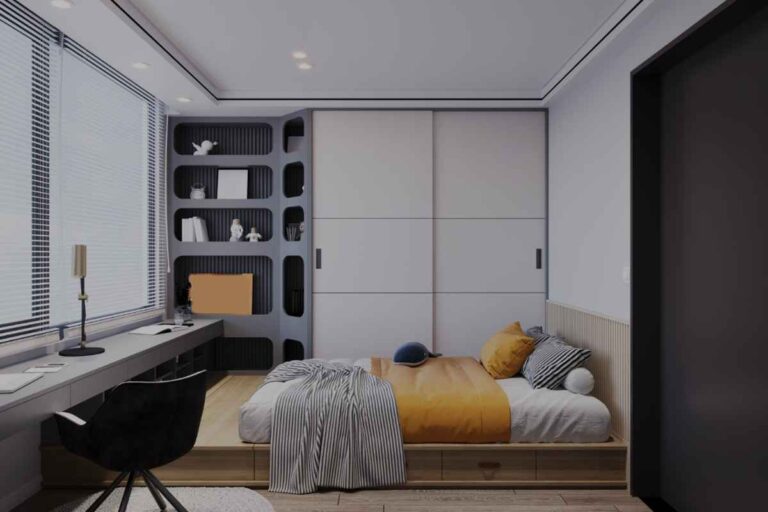
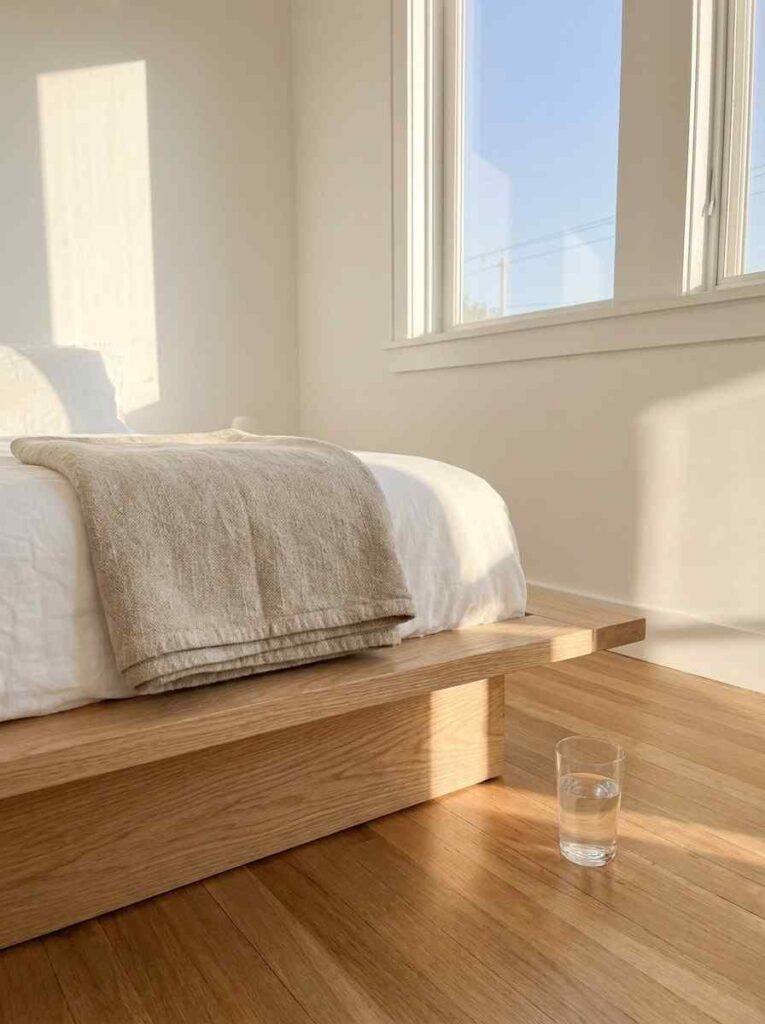
A low platform bed without a tall headboard is the single furniture choice that defines modern minimalist bedroom ideas right now. Prices range from 300 dollars for a basic frame at IKEA to 900 dollars for solid oak versions from brands like Article. The low profile visually opens up ceiling height, which matters in apartments with 8-foot ceilings.
This idea works well for small rooms because it removes the bulk a traditional bed frame with a tall headboard creates. The benefit is a calmer sightline the moment you walk in, since nothing blocks the wall behind it. The tradeoff is less storage underneath compared to a taller frame, so you will need another spot for off-season bedding or suitcases.
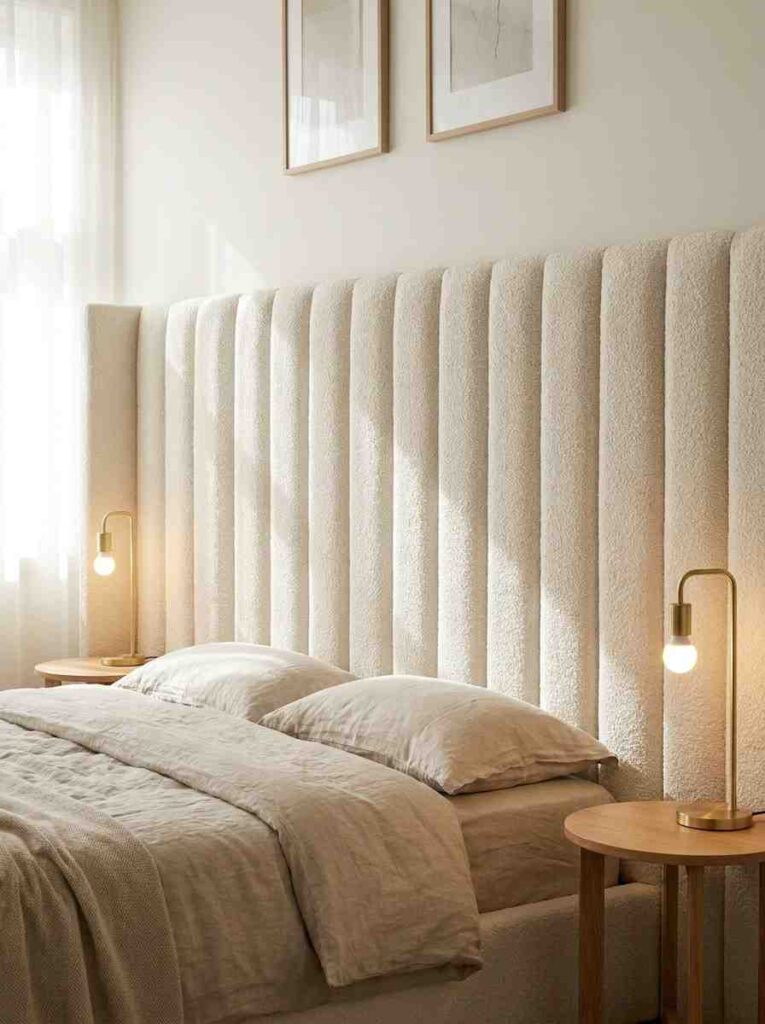
Channel Tufted Headboards For Softness
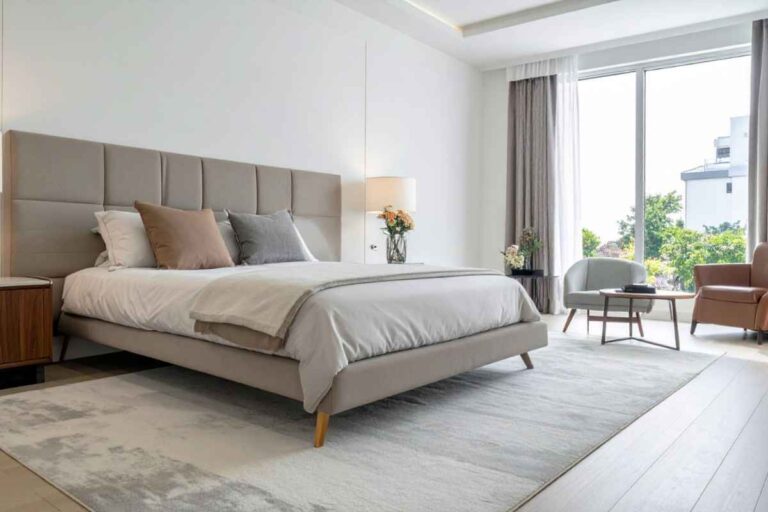
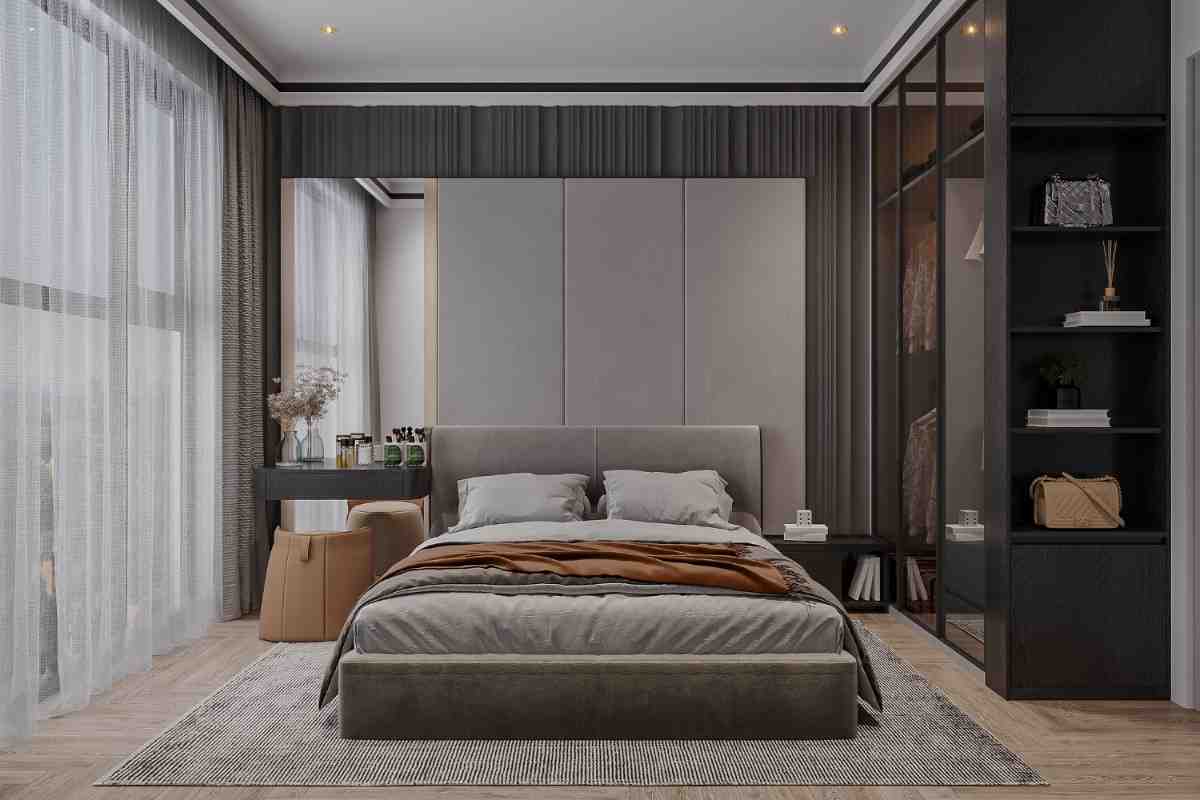
Channel tufting, the vertical stitched pattern on upholstered beds, is one of the defined bedroom furniture trends 2026 designers keep repeating. It adds texture without adding pattern or color, which keeps the room minimal while avoiding a flat, boring look. Upholstered channel-tufted headboards start around 250 dollars for queen size and climb past 700 dollars for boucle or velvet versions.
This idea suits anyone who finds an all-hard-surface bedroom too stark and sterile. The benefit is a soft focal point that still reads as intentional and modern rather than fussy. The con is upkeep: light-colored boucle upholstery shows stains and pet hair more than a wood or upholstered fabric in a darker tone.
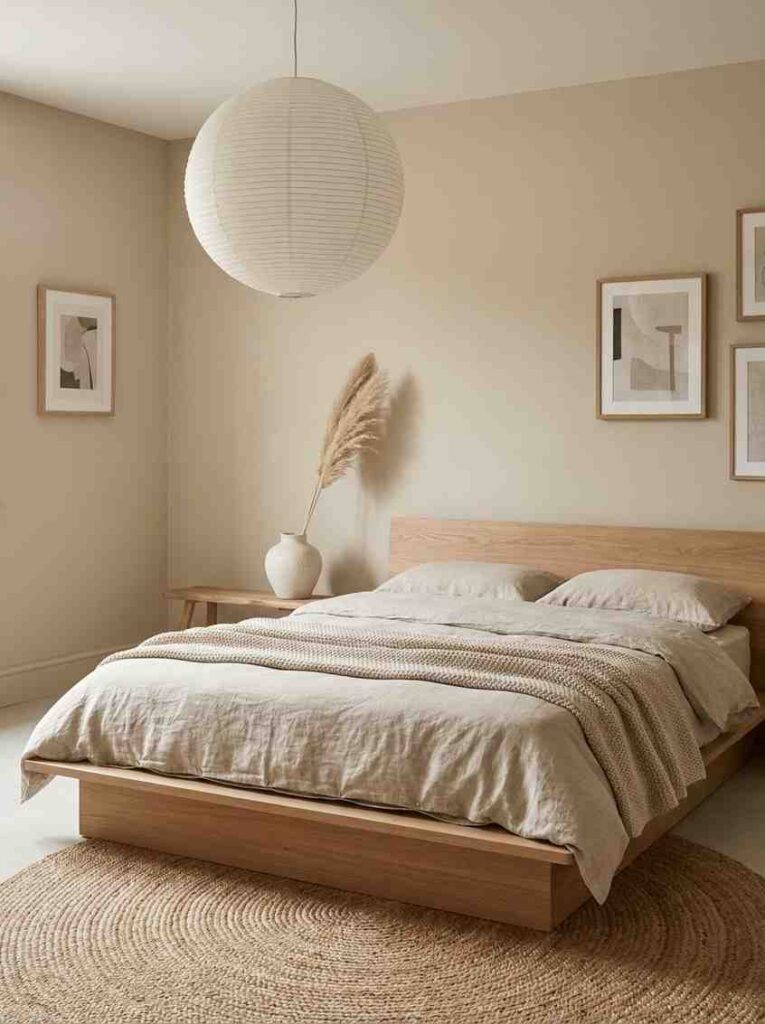
Japandi Style For Warm Minimalism
Japandi blends Japanese minimalism with Scandinavian warmth, and it solves the exact complaint people have about cold minimalist rooms. Japandi is a hybrid of Japanese minimalism and Scandinavian function, favoring low furniture, natural materials, and muted earth tones over stark white and chrome. Expect to spend 800 to 1,500 dollars total if you’re building the look from scratch with a low bed, woven rug, and ceramic accessories.
This idea is ideal for anyone searching minimalist ideas for bedroom spaces that still feel warm and human. The benefit is longevity, since Japandi rarely looks dated the way trend-driven styles do. The downside is sourcing: finding authentic handmade ceramics and rattan pieces takes more hunting than ordering a matching furniture set online.
Storage Beds To Kill Visible Clutter
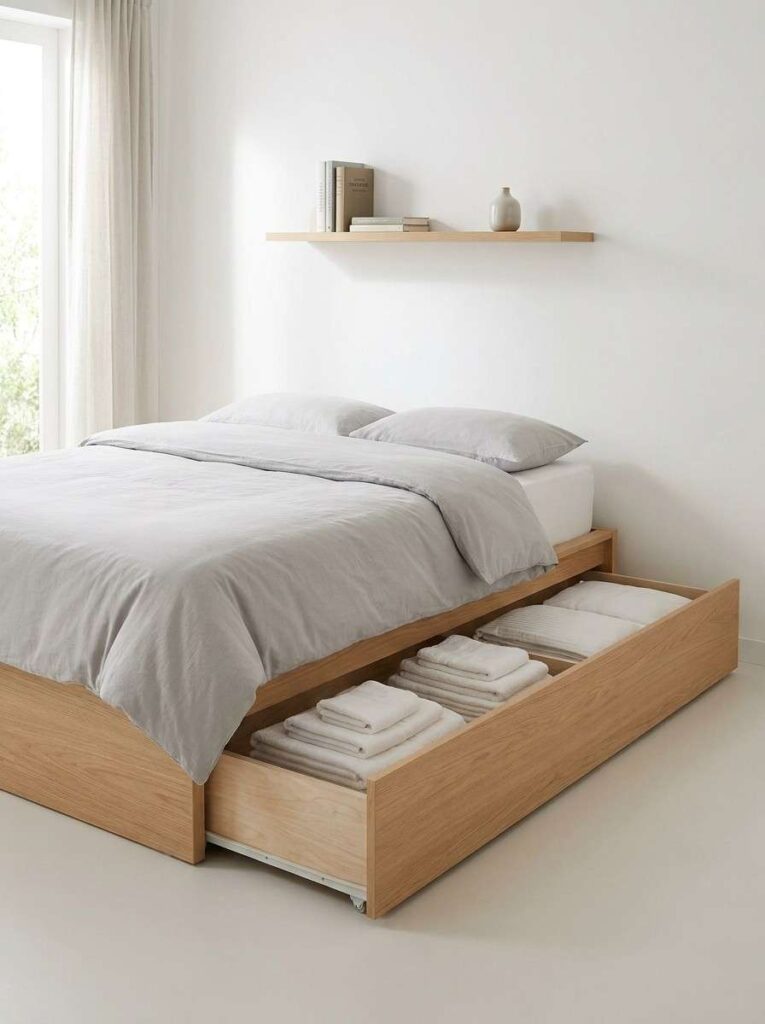
A storage bed with a lift-up base or built-in drawers solves the biggest complaint about minimalist bedrooms: where does everything go. A storage bed is an excellent investment for minimalist bedrooms, allowing practicality and beauty to coexist without visible clutter. Prices range from 400 dollars for basic drawer platform beds to 1,800 dollars for higher-end options like the Saatva Halle storage platform.
This idea works for anyone in a small apartment without a linen closet or basement. The benefit is hidden storage for off-season clothes, spare bedding, and suitcases without adding a bulky dresser. The con is weight and assembly difficulty; storage beds are heavier to move and usually require two people to build.
Floating Nightstands For A Weightless Look
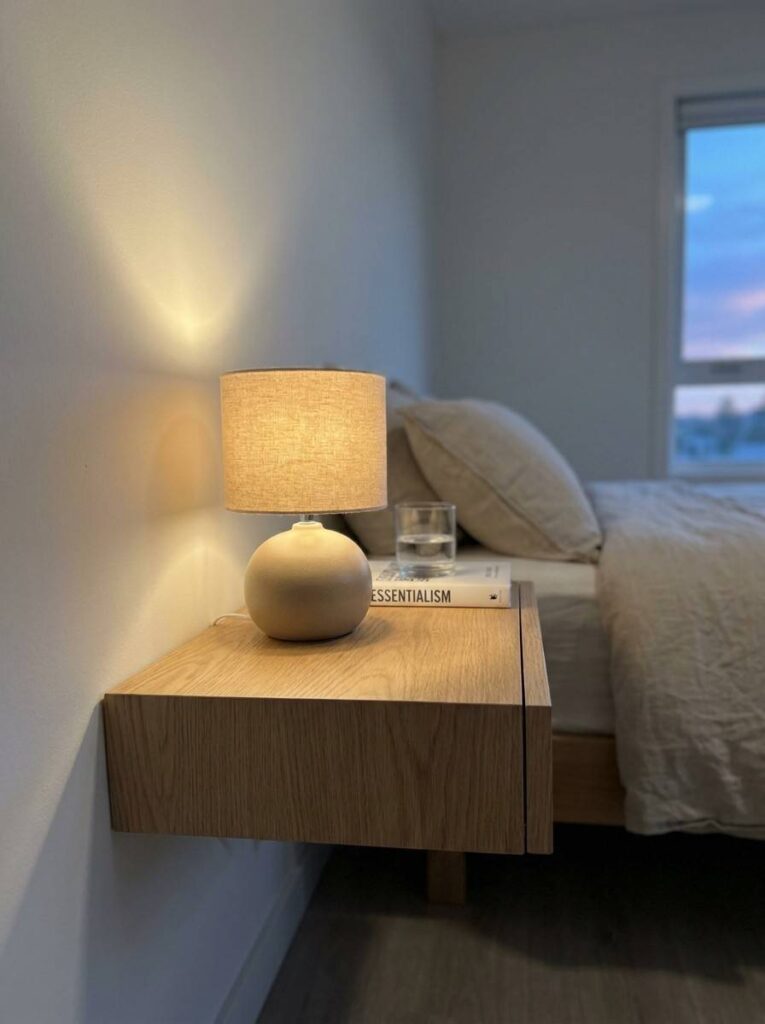
Wall-mounted floating nightstands remove the bulk of traditional bedside tables while still giving you a spot for a lamp and a book. They cost between 60 and 150 dollars per shelf, and installation takes about 30 minutes with a stud finder and basic wall anchors. I mounted mine slightly too low the first time and had to redrill, so measure lamp height before marking your holes.
This idea suits small bedrooms where floor space matters more than storage. The benefit is that floors stay visually clear, making the whole room feel larger and easier to clean under. The tradeoff is limited storage capacity, since most floating shelves can’t hold more than a lamp, a phone, and one book without looking cluttered.
Built-In Wardrobes Instead Of Bulky Armoires
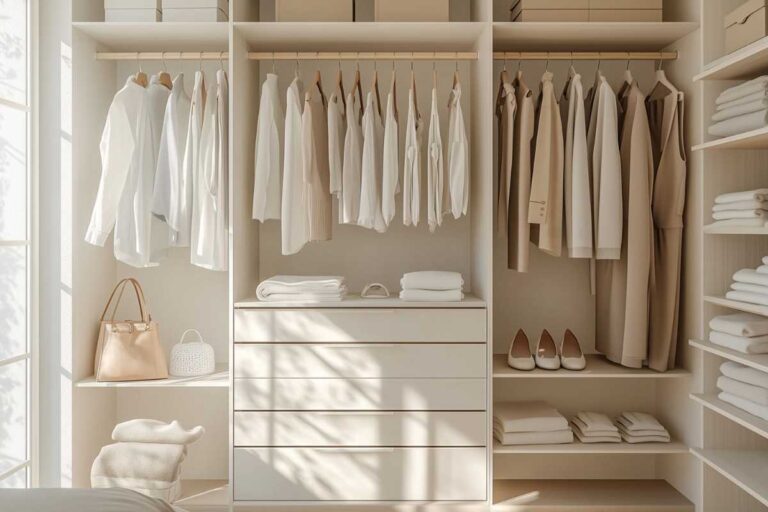
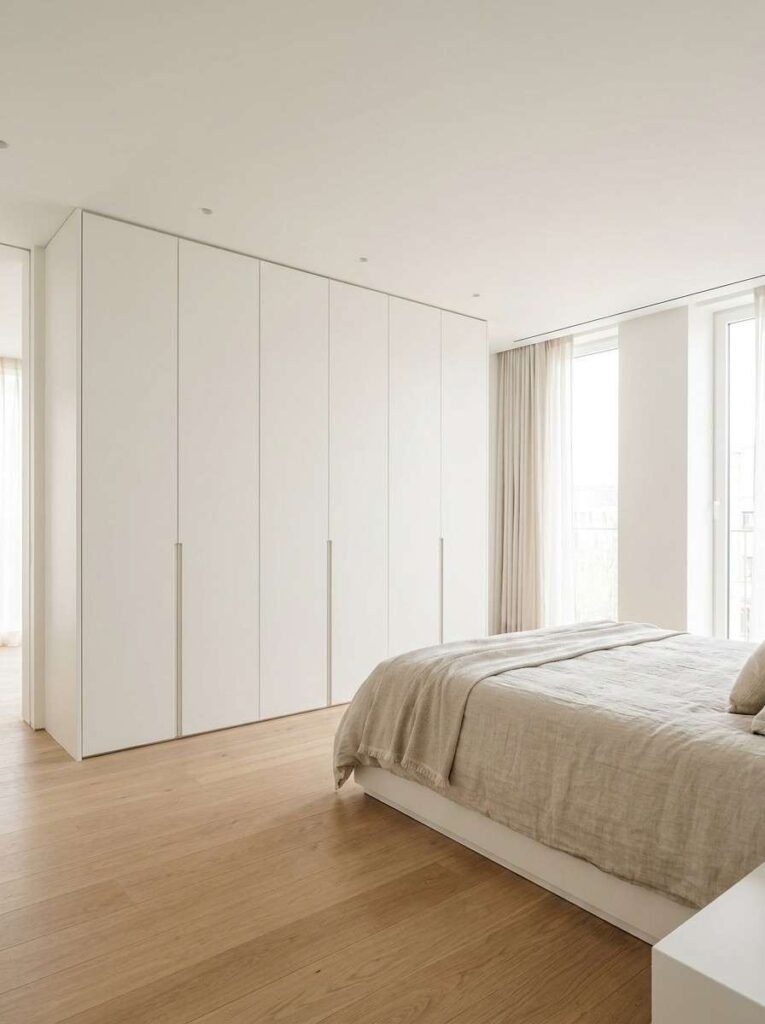
A classic armoire or wardrobe can be too bulky for a minimalist bedroom design, while built-in wardrobes blend into the wall and disappear visually. Custom built-ins run 1,500 to 4,000 dollars depending on size and finish, while flat-pack built-in-style units from IKEA’s PAX line start around 600 dollars. Built in wardrobes provide ample space for clothing while blending seamlessly with the room’s overall design.
This idea is best for anyone doing a longer-term renovation rather than a weekend refresh. The benefit is maximum storage with zero visual clutter, since doors close flush with the wall. The con is upfront cost and installation time, which can stretch a full weekend or longer for custom carpentry work.
Layered Neutral Bedding For Texture Without Clutter
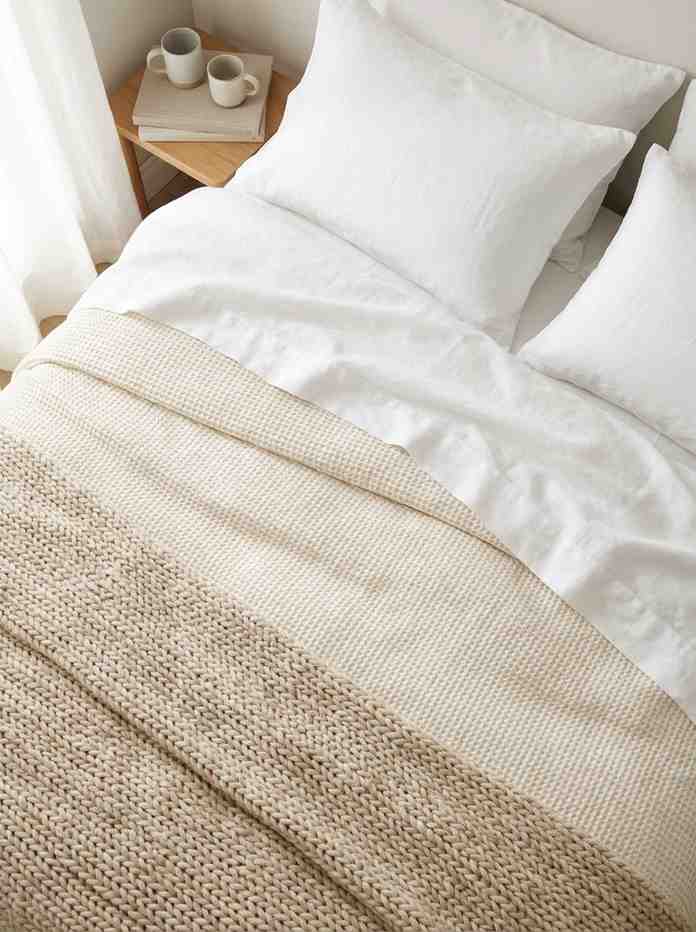
Layering three fabric types, like linen, cotton waffle, and a wool throw, adds texture to a minimalist bed without adding visual noise. Warm minimalism is not about removing things, it is about choosing materials that feel good and layouts that make a room feel calm instead of empty. A full layered bedding set costs 150 to 350 dollars depending on whether you choose Parachute, Brooklinen, or a budget brand like Target’s Threshold line.
This idea helps anyone whose all-white bedroom currently feels more like a hospital room than a retreat. The benefit is warmth and depth achieved through touch, not color or pattern. The con is laundry: more layers mean more pieces to wash and fold regularly to keep the look intentional instead of messy.
A Single Statement Plant For Life Without Clutter
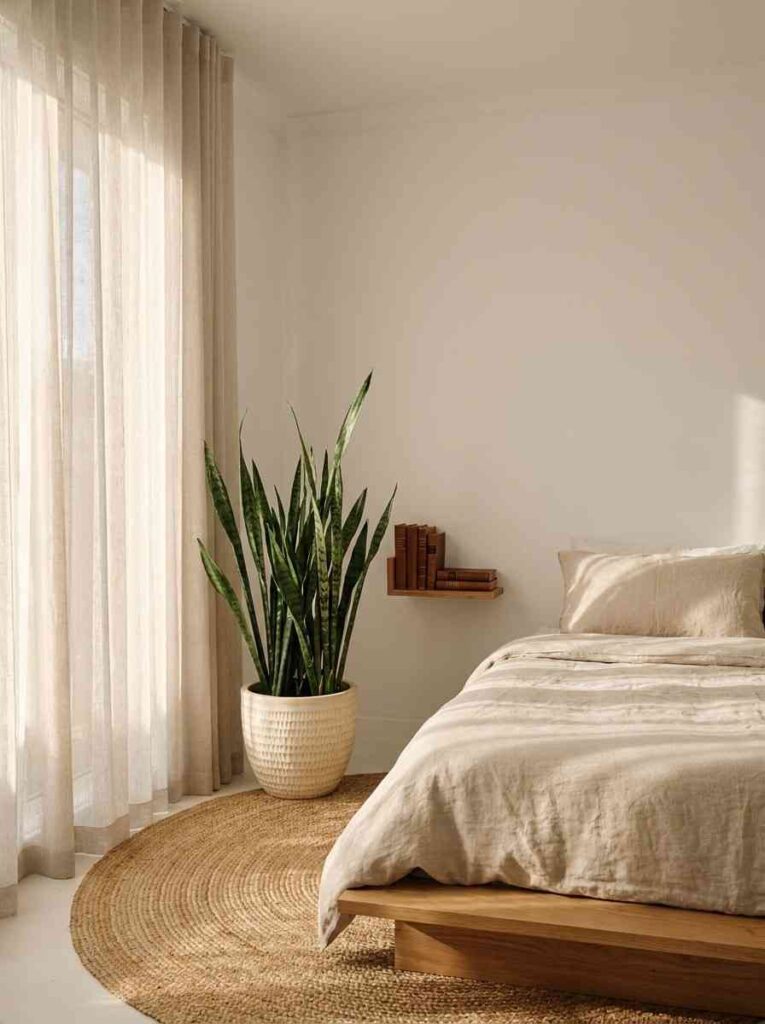
One well-placed plant, like a snake plant or a trailing pothos, brings life into a minimalist bedroom without breaking the clean aesthetic. Plants like trailing pothos, ferns, snake plants, or peace lilies thrive in bedroom corners and add life without visual clutter. A mature snake plant in a ceramic pot costs 25 to 60 dollars, and it tolerates low light better than most houseplants.
This idea works for anyone who feels their minimalist bedroom looks sterile without a single living element. The benefit is a low-maintenance way to add color and softness without cluttering surfaces. The con is placement commitment, since one oversized plant can dominate a small room if the pot size isn’t scaled correctly.
Oversized Wall Art Above The Bed
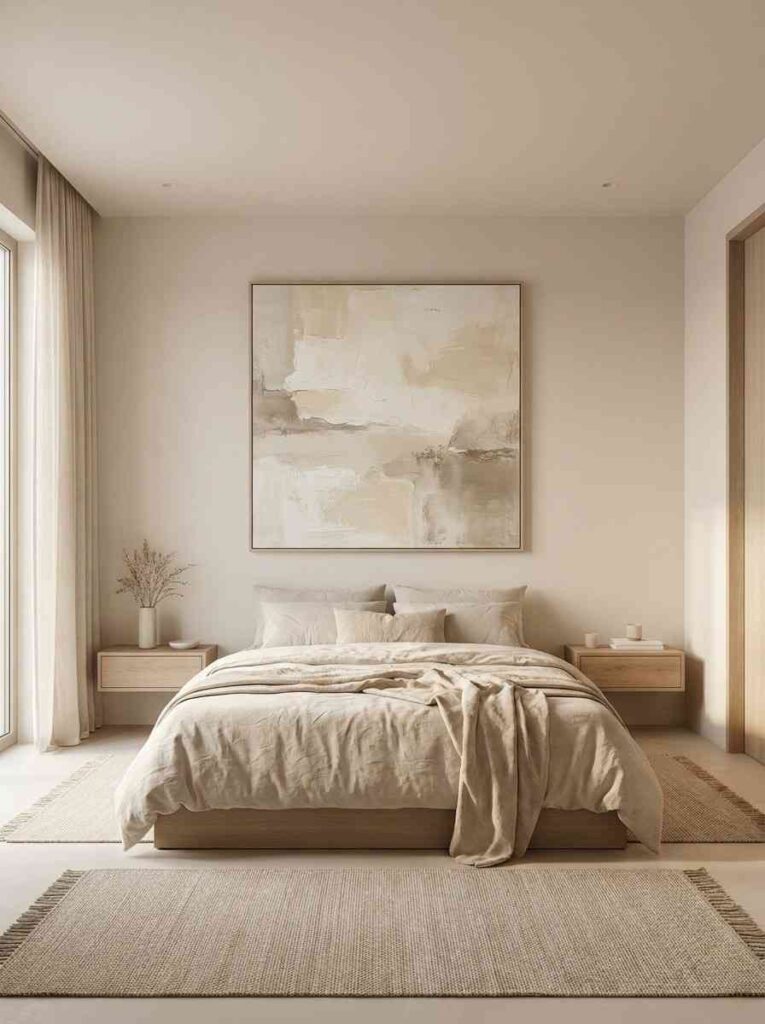
Hanging one large piece of art above the bed brings visual impact into a bedroom that otherwise has minimal decor. Designers are leaning toward plaster reliefs, large-scale photography, or textural fabric wall hangings for 2026 bedroom looks. A 20 by 60 inch canvas from a brand like Surya runs 150 to 300 dollars, while custom framed photography can run higher.
This idea suits anyone who wants one big design moment instead of scattered small decor pieces. The benefit is that oversized art visually connects the bed to the ceiling, making low ceilings feel taller. The con is scale mismatch risk; a piece too small over a queen or king bed looks awkward instead of intentional.
Sheer Curtains For Softness And Light
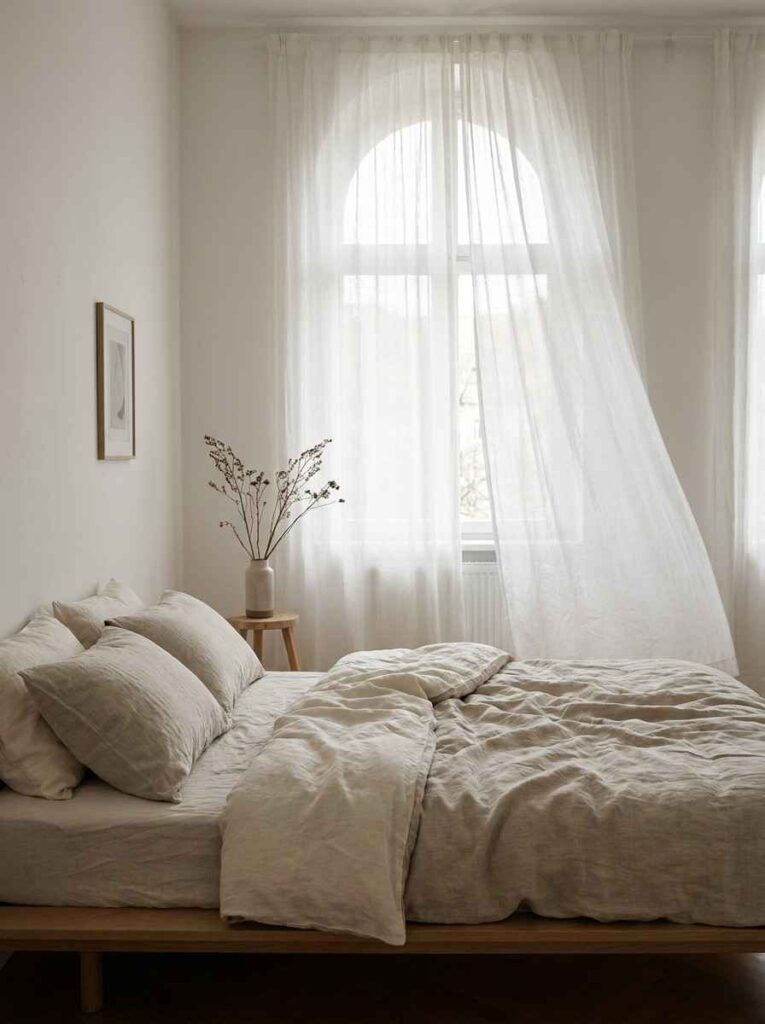
Sheer curtains in a neutral tone keep a minimalist bedroom from feeling like a stark, windowless box while still letting daylight pour in. Choose sheer curtains in a light or neutral color for a clean effect that doesn’t compete with the rest of the room. A pair of quality sheer linen curtains costs 40 to 90 dollars, and a simple tension rod install takes under 20 minutes.
This idea is right for renters who can’t drill into window frames or repaint walls. The benefit is diffused, soft natural light throughout the day without harsh direct glare. The con is privacy at night, since sheers alone won’t block outside view once lights are on inside.
Dark Minimalist Bedroom With High Contrast
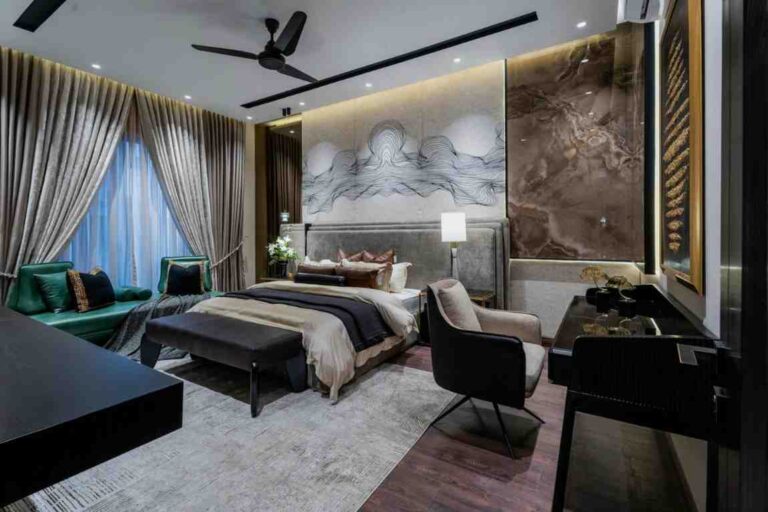
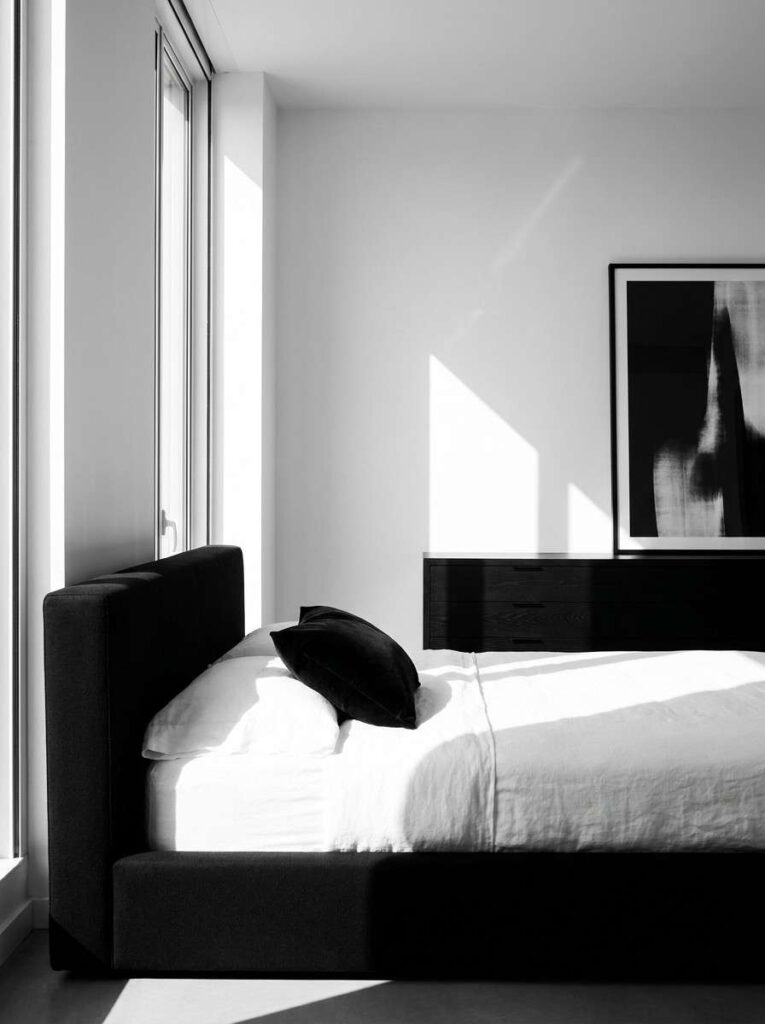
A black-and-white high-contrast palette gives a dark minimalist bedroom ideas approach real drama without adding clutter. Start with clean white walls, then add a few pieces of black furniture like a dresser or bench to anchor the space. Black furniture pieces from CB2 or West Elm typically run 400 to 900 dollars depending on the piece and finish.
This idea works for people who find all-beige minimalism boring and want a bolder, more architectural look. The benefit is a sophisticated, gallery-like feel that photographs strikingly for Pinterest. The con is maintenance, since black furniture and matte black hardware show dust and fingerprints faster than lighter finishes.
Wood Slat Accent Walls For Texture
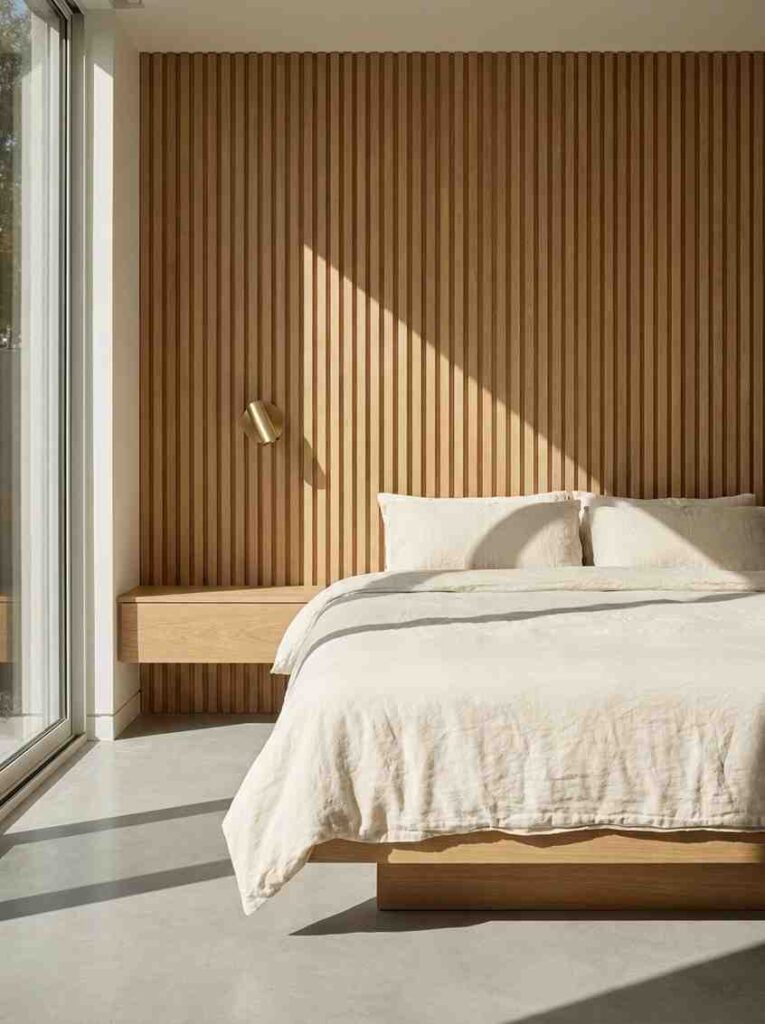
A wood slat accent wall adds architectural texture to a minimalist bedroom without introducing color or pattern. This natural material trend continues to grow, reflecting a desire to make homes feel more grounded and organic through tactile, handmade-feeling surfaces. DIY slat wall kits cost 150 to 400 dollars for a queen-size headboard wall, using pine or oak furring strips from a hardware store.
This idea suits anyone who wants a textured focal point that still reads as calm and neutral. The benefit is warmth and depth added through shadow lines rather than busy decor. The con is installation time, since spacing and leveling slats evenly takes patience and a level tool, usually a full weekend project.
Curved Furniture For Softer Lines
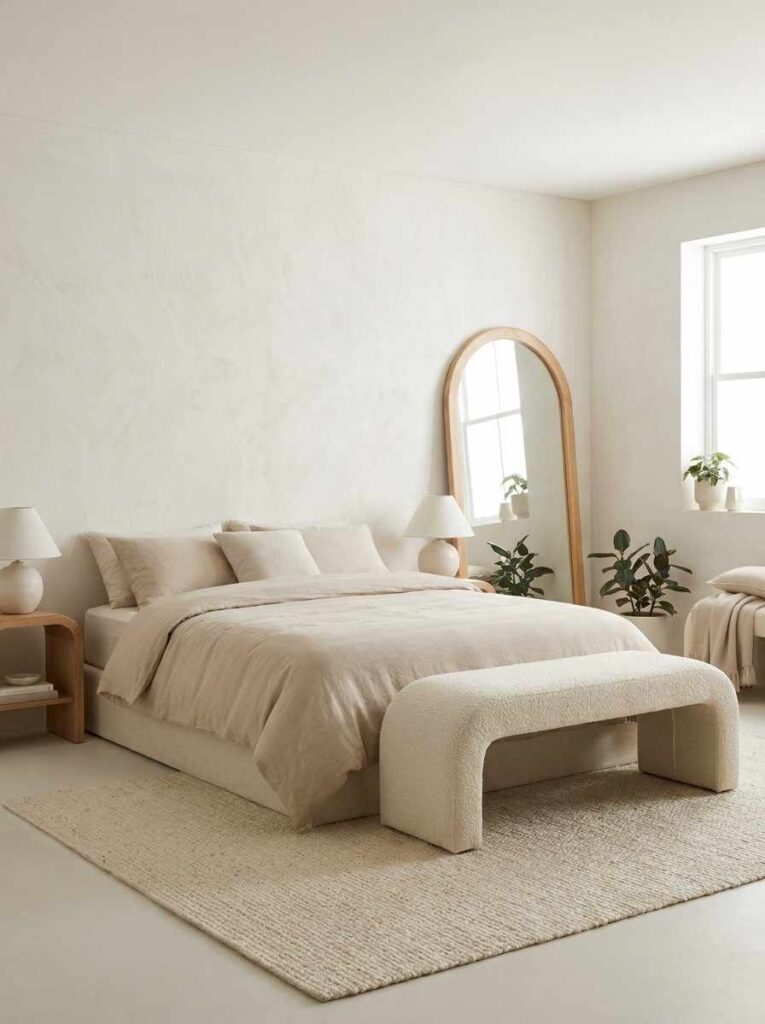
Curvy forms are everywhere in bedroom furniture trends 2026, showing up as rounded bench seats, arched headboards, and organic mirrors instead of hard rectangles. Curves create a psychologically soothing effect, making minimalist spaces feel more welcoming and less sterile. A curved boucle bench runs 200 to 450 dollars, and an arched wood mirror typically costs 80 to 200 dollars.
This idea suits anyone who finds sharp-edged minimalist furniture cold or clinical. The benefit is a softer visual rhythm that breaks up straight lines from walls and bed frames. The con is that curved furniture can be pricier per square foot than standard rectangular pieces of similar quality.
Planter Ledges Built Into The Headboard Wall
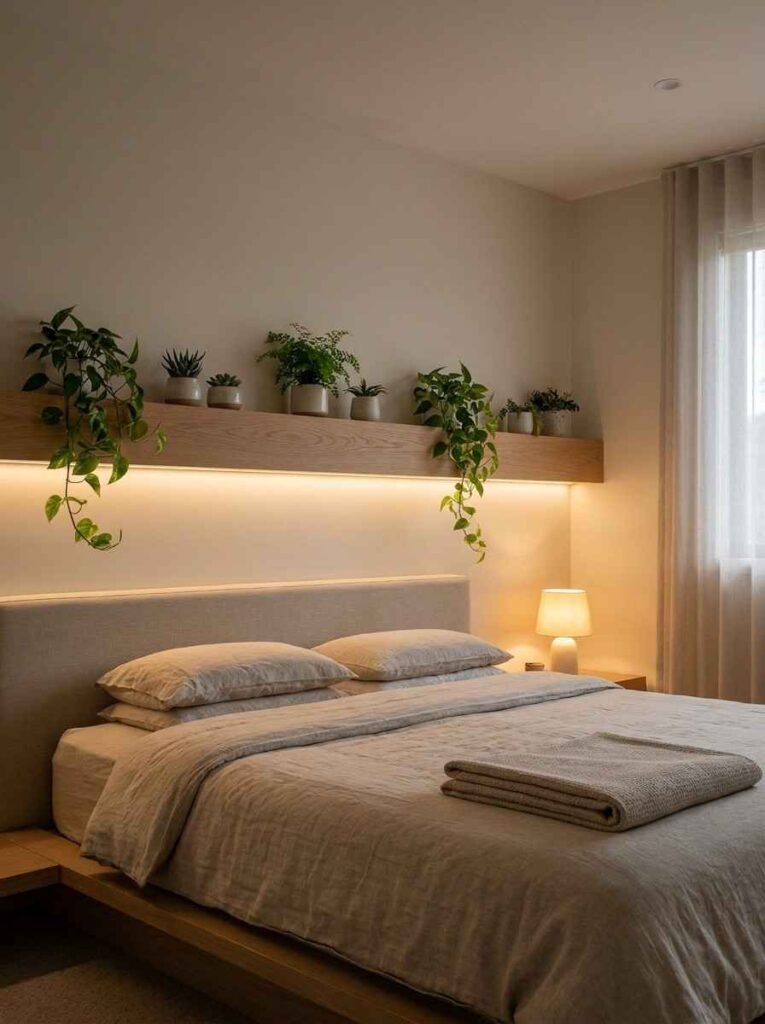
A shallow ledge with potted plants built into or under a window brings greenery into a minimalist bedroom through architectural integration. Planter ledges can be found or built under windows, into headboards, or above door frames for a seamless plant display. A simple DIY floating ledge costs 40 to 100 dollars in wood and brackets, plus the cost of small potted plants.
This idea works for plant lovers who don’t want pots crowding the floor or nightstands. The benefit is greenery that feels architectural rather than like an afterthought decoration. The con is watering access, since built-in ledges near ceiling height or above doors are harder to reach for regular care.
Reading Nook Using A Curved Loveseat
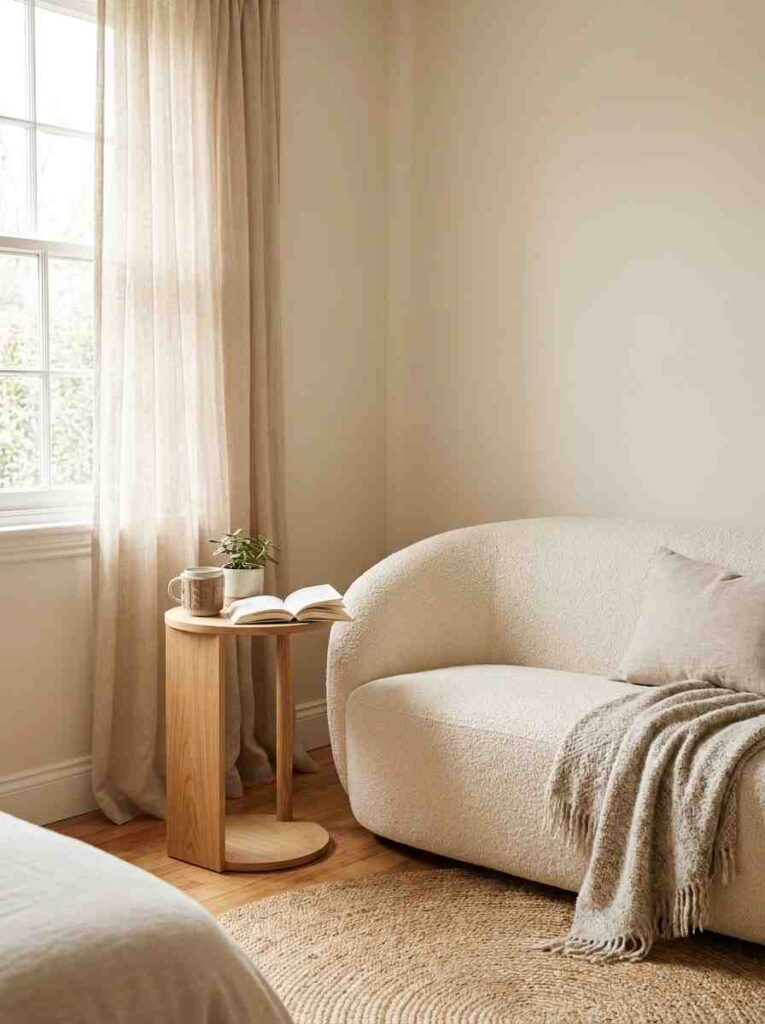
A small curved loveseat or bubble chair near a window creates a secondary zone within a minimalist bedroom without crowding the space. These seating pieces work as both a functional feature and design statement, becoming a morning coffee spot near a window. A compact curved loveseat costs 350 to 700 dollars depending on upholstery, with boucle and velvet options at the higher end.
This idea is ideal for anyone with an awkward unused corner in their bedroom. The benefit is turning dead space into a usable reading or coffee spot without adding bulky furniture. The con is space requirement, since even compact curved seating needs at least a 3-by-3 foot corner to avoid feeling cramped.
Capsule Nightstand Styling With Only Essentials
Keeping only a lamp, a small alarm clock, and one book on each nightstand is the fastest way to make a bedroom read as minimalist. Keep flat surfaces clear apart from essentials like a lamp, an alarm clock, and one book to keep the space visually calm. This costs nothing beyond what you already own, since it’s purely an editing exercise rather than a purchase.
This idea is the cheapest entry point into minimalist bedroom ideas for anyone not ready to buy new furniture. The benefit is instant visual calm achieved in under 30 minutes with zero spending. The con is that it requires ongoing discipline, since clutter creeps back onto nightstands within days without a consistent habit.
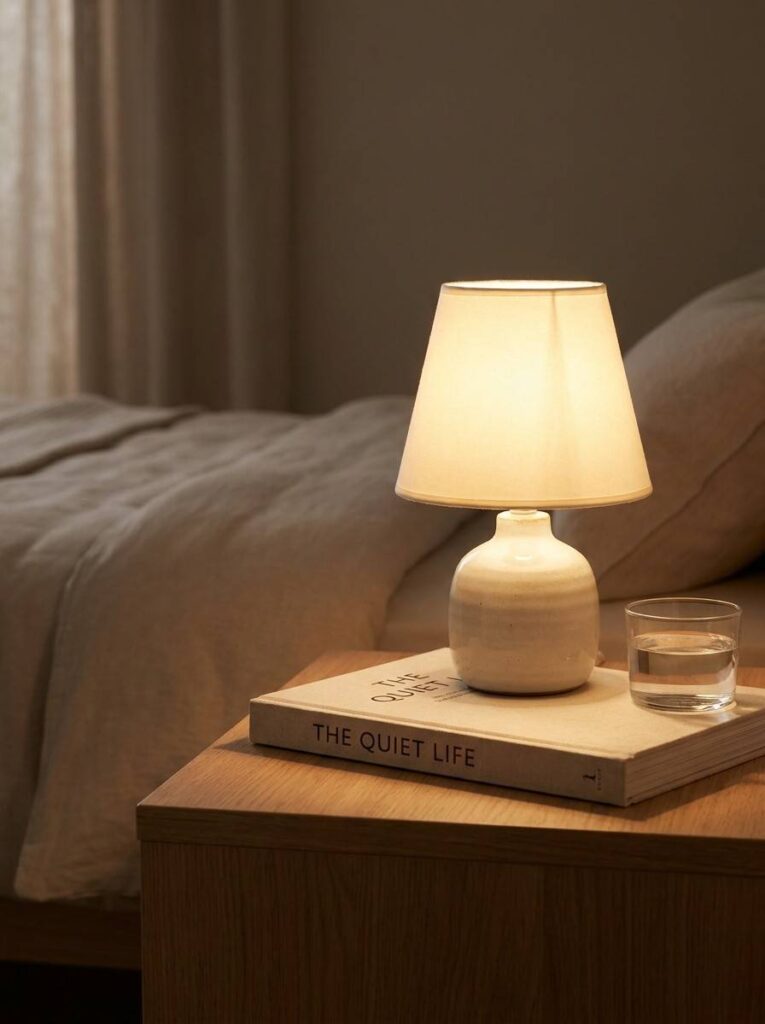
Warm White Undertones Instead Of Stark White
Not all white paint reads the same, and choosing a warm white with a slight cream or yellow undertone avoids the sterile, hospital-like feel many minimalist bedrooms get wrong. Warm whites and creamy shades feel soft and inviting, especially paired with warm-temperature lighting instead of cool white bulbs. Sample pots of warm white paint from Behr or Sherwin-Williams cost about 5 to 10 dollars each, worth testing before committing to a full gallon.
This idea is essential for anyone who tried stark white walls and found the room felt cold and uninviting. The benefit is brightness without the clinical edge that pure white or blue-white can create. The con is that warm white can look slightly dingy under certain LED bulbs, so match your bulb temperature to around 2700K.
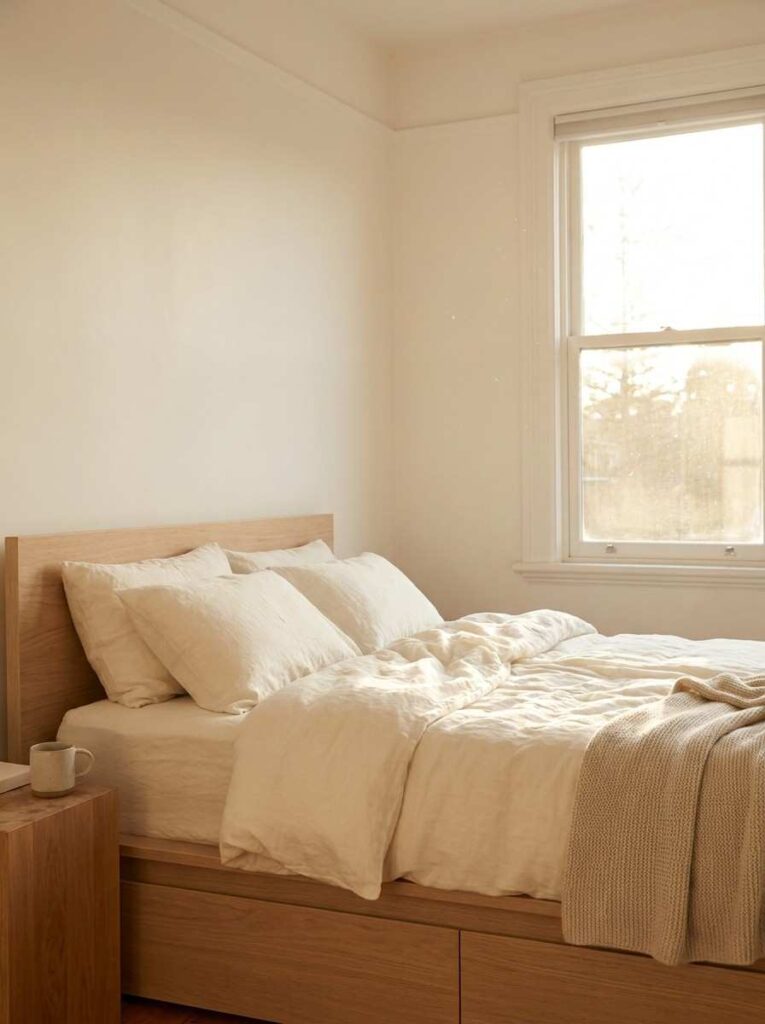
Compact Furniture Layout For Intimacy
Placing furniture closer together rather than spreading pieces across a large room creates a sense of intimacy in a minimalist bedroom. A compact layout where elements sit closer together creates connection, while avoiding unnecessary empty gaps between furniture pieces. This costs nothing beyond rearranging what you already own, making it a genuinely free upgrade.
This idea works well for larger bedrooms that feel oddly empty and impersonal with minimal furniture spread thin. The benefit is a cozier, more grounded feel achieved purely through furniture placement. The con is that this approach can feel cramped in genuinely small bedrooms under 100 square feet, where spacing actually needs to increase, not decrease.
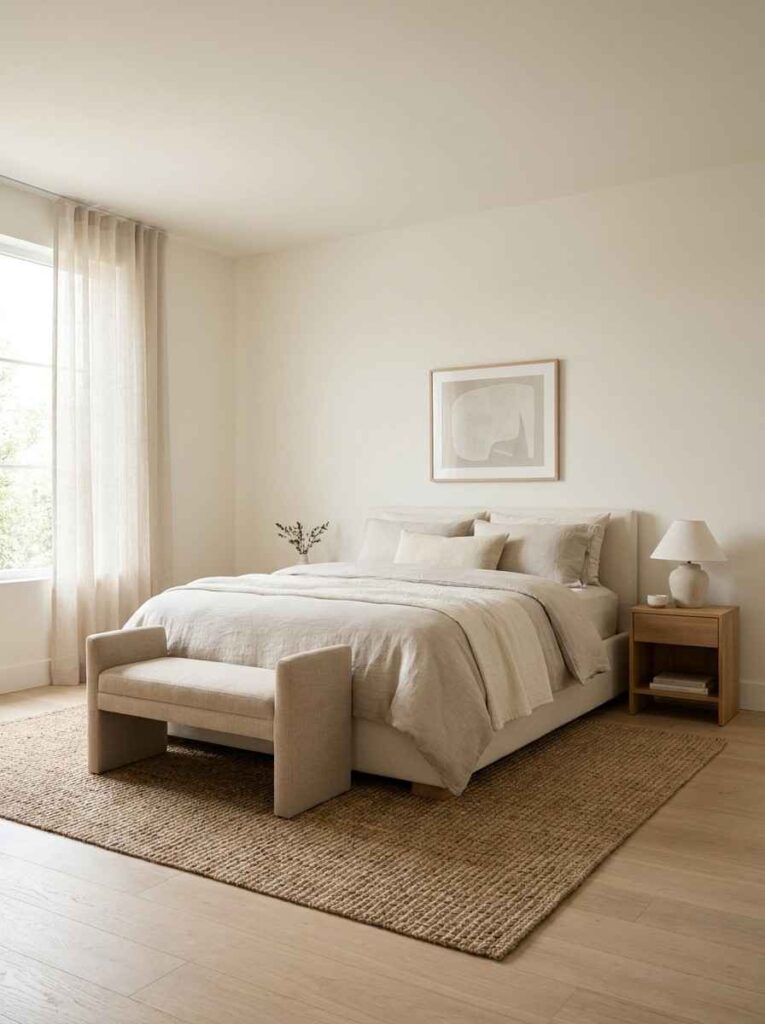
Textured Accent Wall Using Plaster Finish
A hand-troweled plaster or lime wash finish on one wall adds depth to a minimalist bedroom without adding pattern or color. A textured wall, whether plaster, wood, or subtle paint variation, gives depth without breaking the room’s simplicity. Limewash paint kits cost 80 to 150 dollars for a standard bedroom wall, and application takes a full afternoon to master the technique.
This idea suits anyone who wants texture but finds wallpaper too busy for a minimalist look. The benefit is subtle, tactile depth that changes appearance depending on the light angle throughout the day. The con is skill level; achieving an even, professional-looking plaster finish takes practice and often a few uneven test patches first.
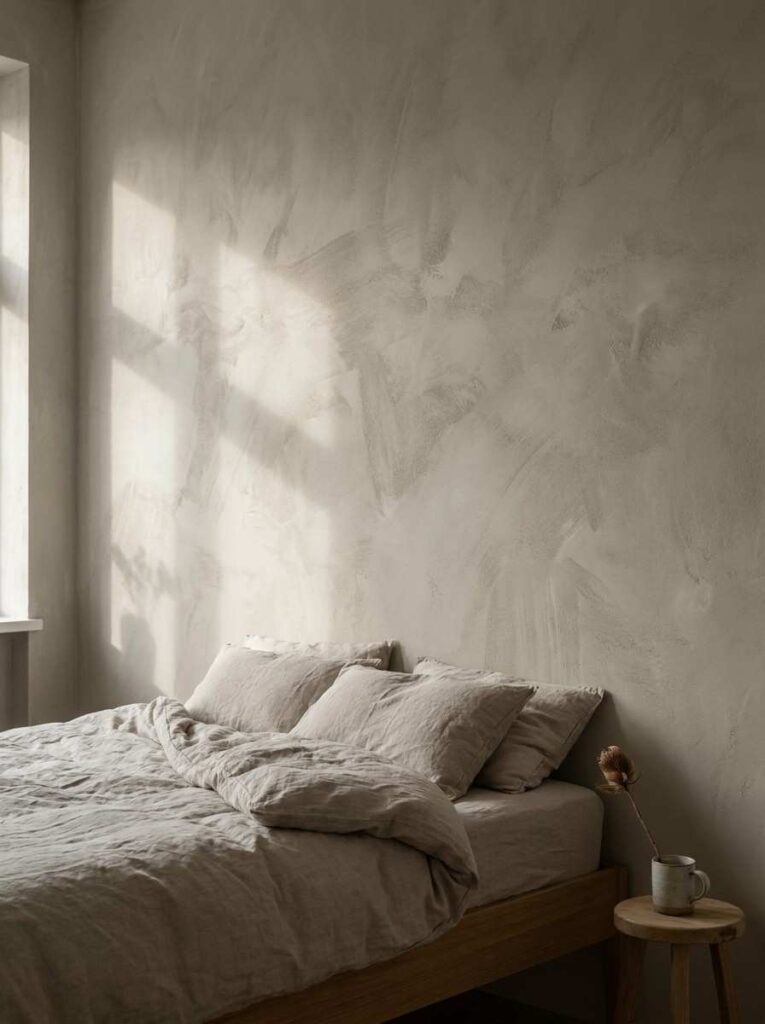
Multi-Purpose Furniture For Small Bedrooms
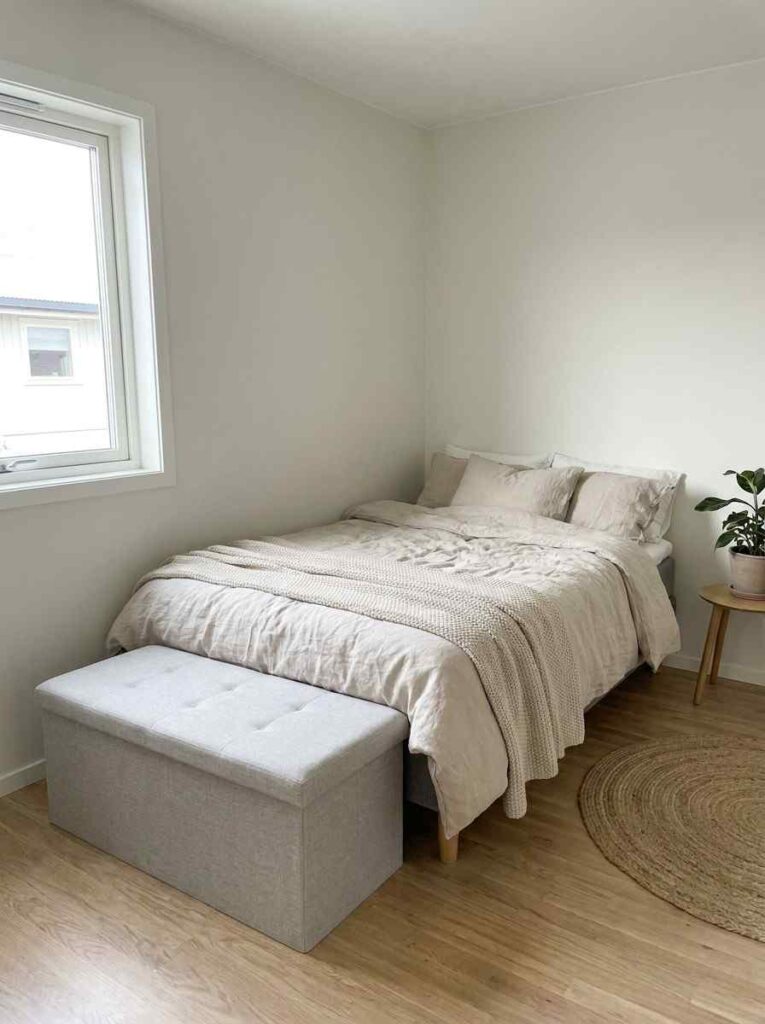
Furniture that serves more than one purpose, like a storage ottoman or a bench with hidden compartments, is essential for minimalist bedroom ideas for small rooms. Use furniture that serves more than one purpose and keep the floor as open as possible to create breathing space. A storage ottoman bench costs 100 to 250 dollars and typically holds extra blankets or off-season clothing.
This idea is critical for studio apartments or small bedrooms under 120 square feet. The benefit is gaining storage function without adding a separate piece of furniture that eats floor space. The con is weight capacity limits, since most storage ottomans aren’t built to hold heavy items like winter coats or bulky bedding sets.
Rattan And Woven Textures For Grounded Warmth
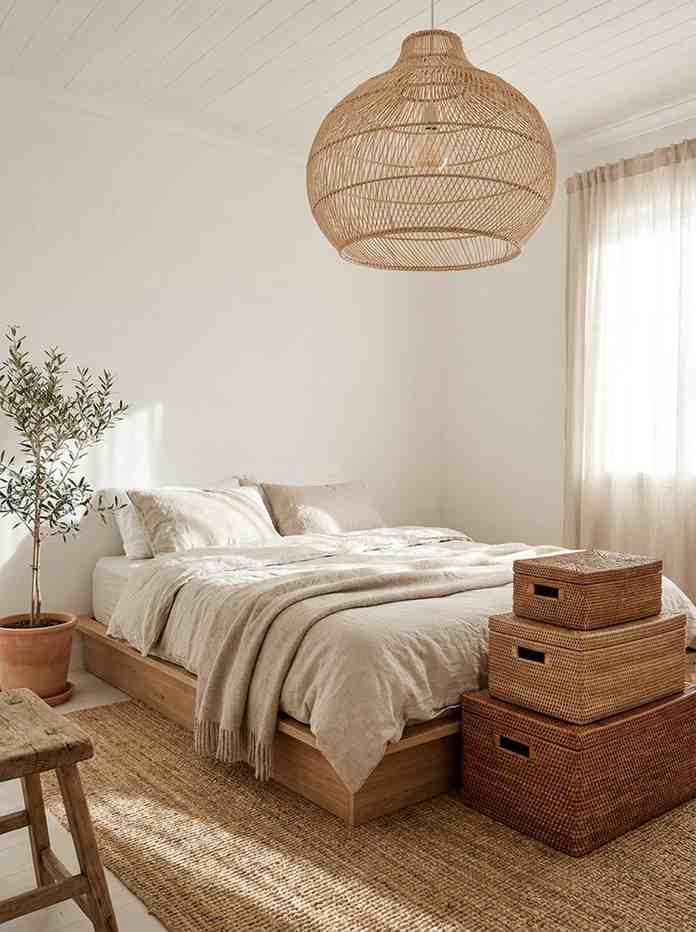
Rattan storage boxes, woven pendant lights, and natural fiber baskets bring warmth into a minimalist bedroom while staying true to a neutral, uncluttered palette. Chic rattan storage boxes make small bedrooms feel bigger, tidier, and more expensive without adding visual clutter. Rattan storage baskets cost 20 to 60 dollars each, and a woven pendant light fixture runs 80 to 200 dollars.
This idea works for anyone drawn to Japandi or biophilic-adjacent looks without going fully into that style. The benefit is texture and warmth achieved through natural materials rather than color or pattern. The con is durability, since rattan and woven materials can fray or sag over years of heavy use compared to solid wood storage.
Dimmable Layered Lighting For Evening Calm
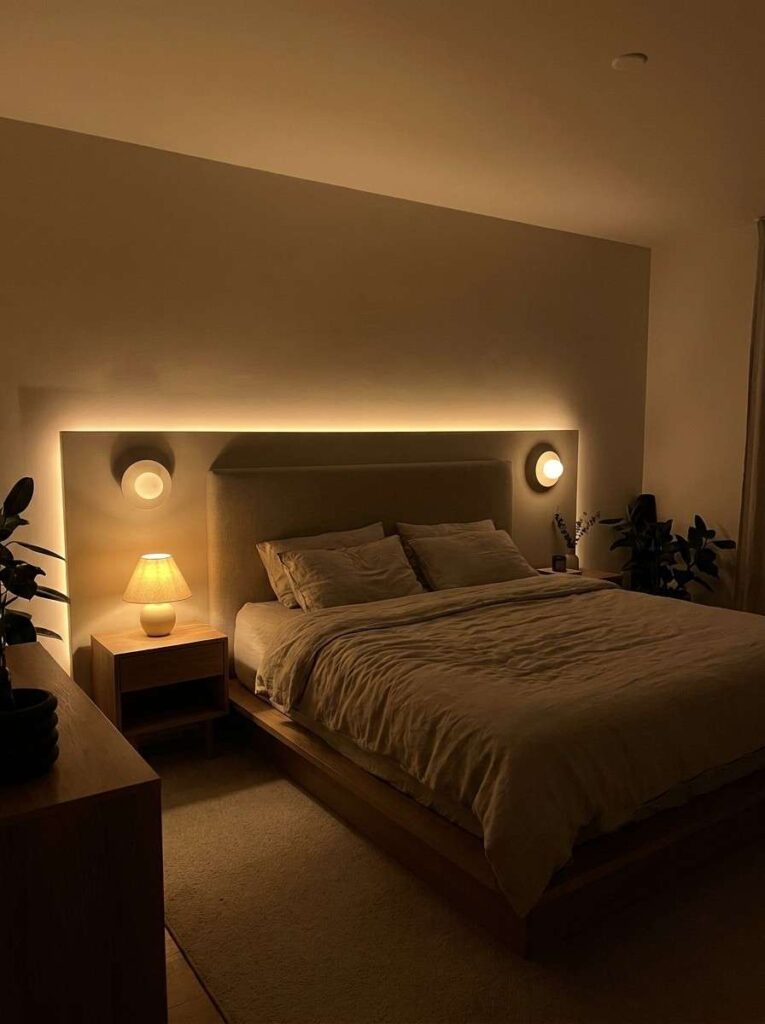
Relying on one overhead light makes a minimalist bedroom feel harsh at night, while layering lamps, wall sconces, and hidden LED strips creates a calmer atmosphere. Instead of one overhead light, think in layers using lamps, wall lights, and hidden LEDs, and avoid harsh white lighting completely. A basic layered lighting setup with two lamps and one LED strip costs 60 to 150 dollars total.
This idea matters most for anyone whose minimalist bedroom feels great during the day but sterile at night. The benefit is a warmer, more intentional mood after sunset without extra furniture or decor. The con is added electrical planning, since wall sconces may require an electrician if you don’t have existing wiring in place.
If you’re refreshing more than one room this year, the same warm-neutral, texture-first approach works well for kitchen ideas and living room ideas, and even a small bathroom ideas refresh benefits from the same layered lighting trick.
The fastest way to update a minimalist bedroom for 2026 is a warm neutral paint like Sherwin-Williams Universal Khaki, a low platform bed, and one textured layer like boucle or linen, which together cost under 500 dollars and take one weekend.
Frequently Asked Questions
How do I make a minimalist bedroom not feel cold or empty?
Layer at least three textures, like linen, wool, and boucle, and switch to warm 2700K lighting instead of cool white bulbs. Warm minimalism focuses on refining materials rather than simply removing furniture, which is why an empty white room with harsh lighting feels sterile while a warm-toned room with the same amount of furniture feels calm.
What colors are best for a minimalist bedroom in 2026?
Sherwin-Williams Universal Khaki SW 6150 and warm greige tones like Balanced Beige SW 7037 are leading choices for 2026. For a bolder look, Behr’s Hidden Gem N430-6A brings depth as an accent wall in rooms with strong natural light.
How much does a minimalist bedroom makeover cost?
A basic refresh with paint and new bedding runs under 200 dollars, while a fuller update with a new bed frame and lighting lands between 500 and 1,600 dollars. Full custom built-in wardrobes and premium furniture can push a complete makeover toward 2,000 to 4,000 dollars.
Do I need a dresser in a minimalist bedroom?
No, many minimalist bedrooms replace dressers with built-in wardrobes, storage beds, or floating shelves to reduce visual bulk. If you need dresser-level storage, choose a streamlined design with smooth surfaces and minimal hardware rather than removing storage entirely.
Final thoughts
Pick two or three ideas from this list that fit your budget this month, rather than trying all 24 at once. Start with paint and lighting, since those two changes cost the least and shift the entire mood of the room fastest.