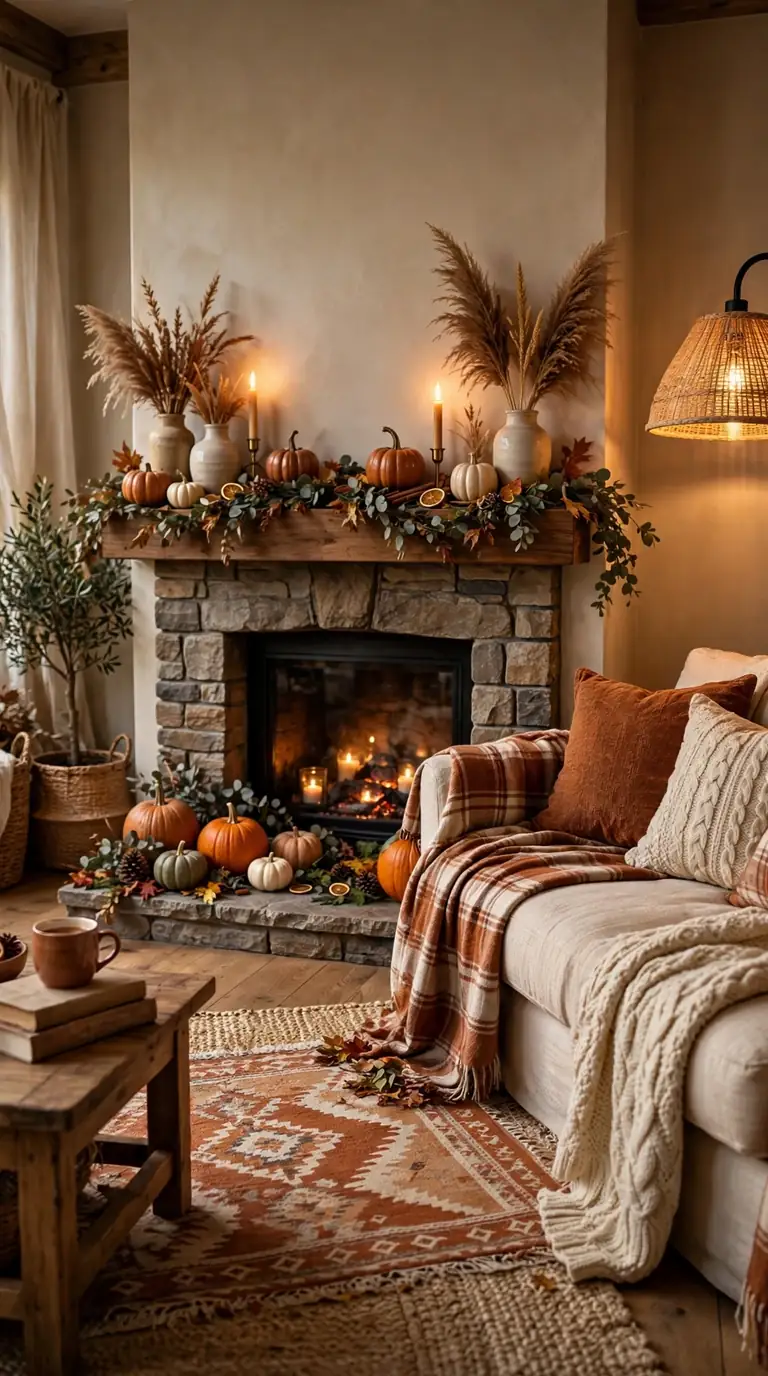
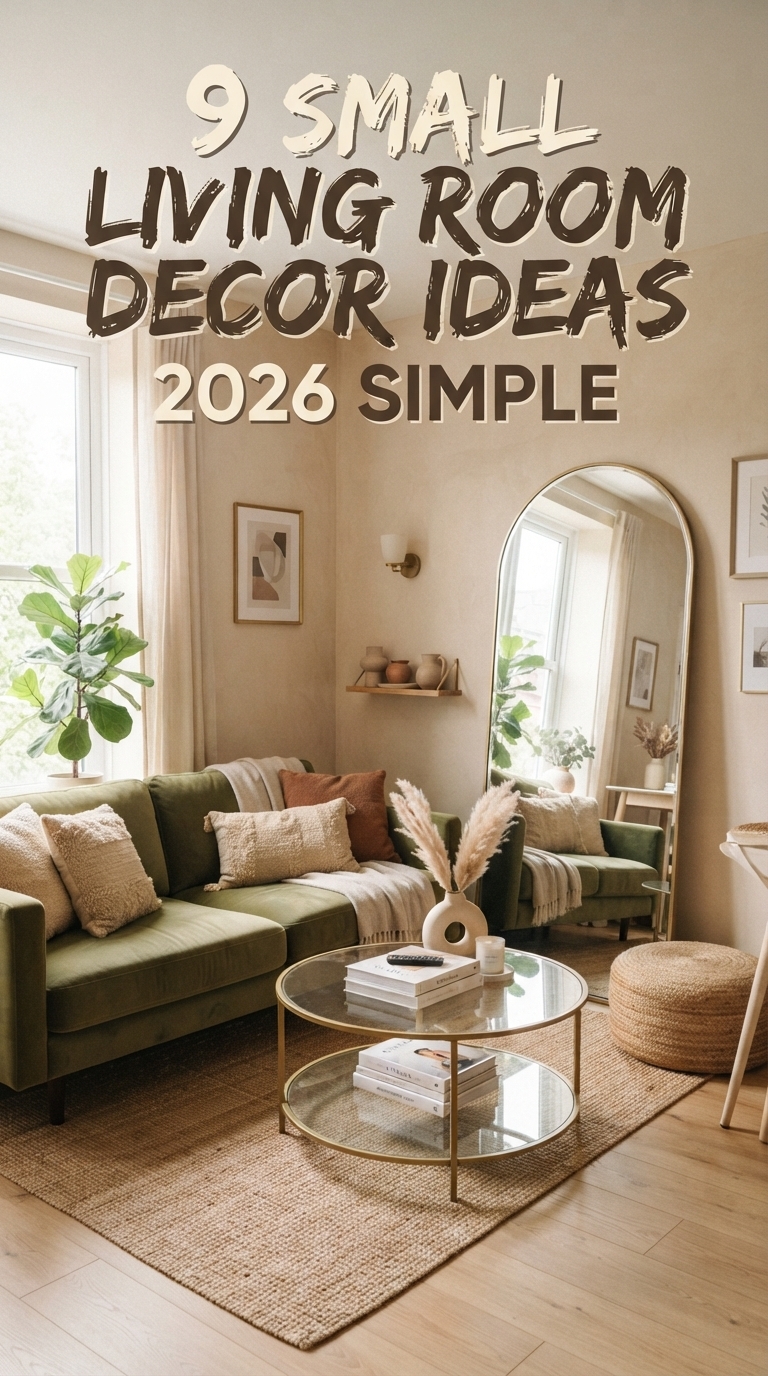
Designing a small living room requires a shift in perspective where every square inch earns its place through beauty or function. In 2026, the focus moves toward intentional simplicity, prioritizing breathable layouts and curated textures over excessive ornamentation. Whether you are working with a tight apartment footprint or a cozy cottage nook, these nine design strategies help you maximize your space without sacrificing personality. We explore how to balance scale, light, and hidden storage to create a room that feels expansive yet intimate. Let’s walk through these practical, expert-approved ways to refresh your living area into a sophisticated, highly functional retreat that feels perfectly tailored to your lifestyle.
1. Low-Profile Furniture for Vertical Expansion
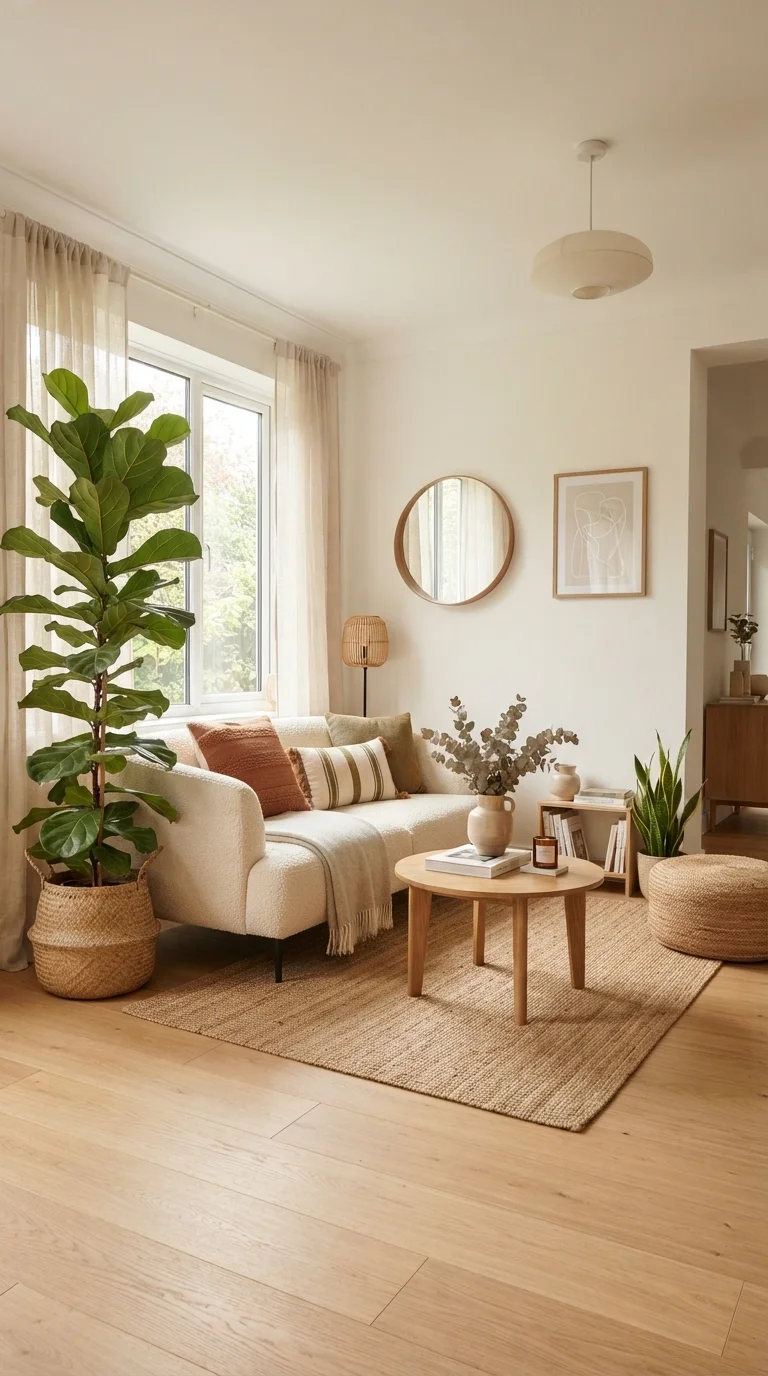
Choosing low-profile furniture creates a sense of openness by keeping the visual weight near the floor. This technique draws the eye upward, making ceilings appear higher and the overall footprint feel larger. Pair a low sofa with slim-legged chairs to maintain a sense of lightness. This layout is ideal for renters or homeowners with limited ceiling height who want to avoid a cramped, heavy atmosphere.
2. Reflective Surfaces to Multiply Natural Light
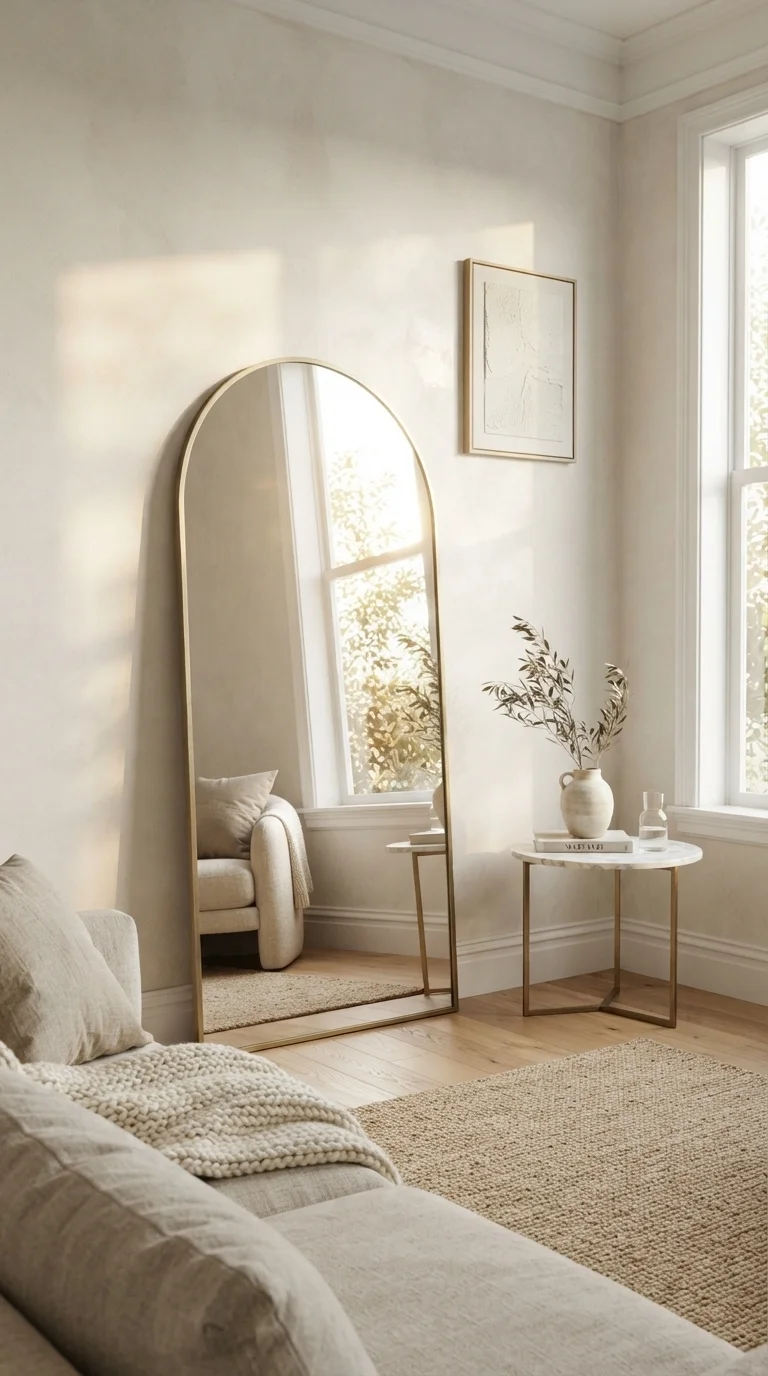
Mirrors are the ultimate tool for small-space design, effectively doubling the perceived depth of a room. Placing a mirror opposite a window captures incoming light and bounces it back into darker corners. For a modern look, opt for thin, metal-framed mirrors rather than ornate styles. This approach works beautifully when paired with whites living room ideas 2026 modern aesthetic gray black to keep the palette crisp and airy.
3. Floating Storage for Floor Space Efficiency
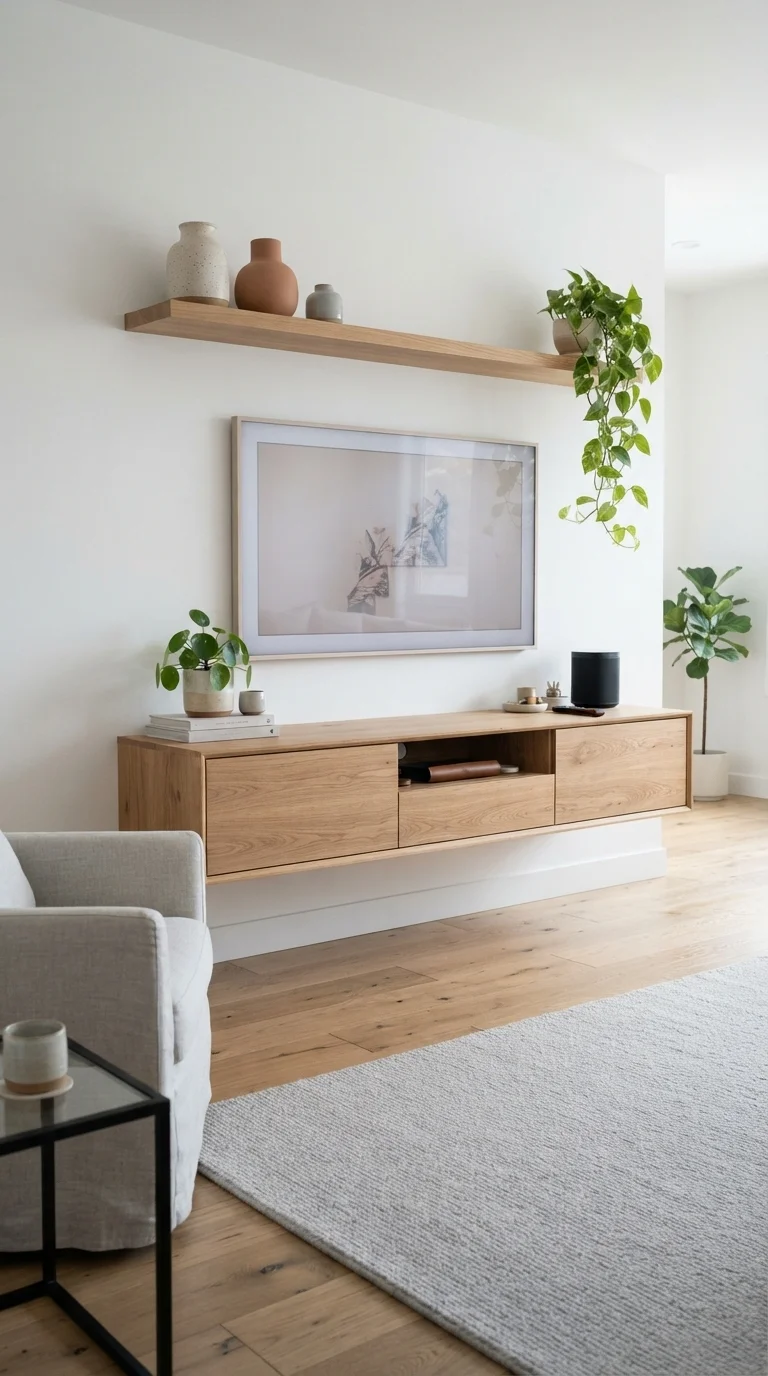
Clearing the floor of bulky media consoles or bookshelves instantly makes a room feel more spacious. Floating shelves and wall-mounted cabinets provide essential storage while keeping the floor visible, which tricks the brain into perceiving more square footage. Use these surfaces for curated items like stoneware or books rather than heavy clutter. This style is perfect for those who appreciate a clean, organized, and highly functional living environment.
4. Monochromatic Color Palettes for Visual Flow
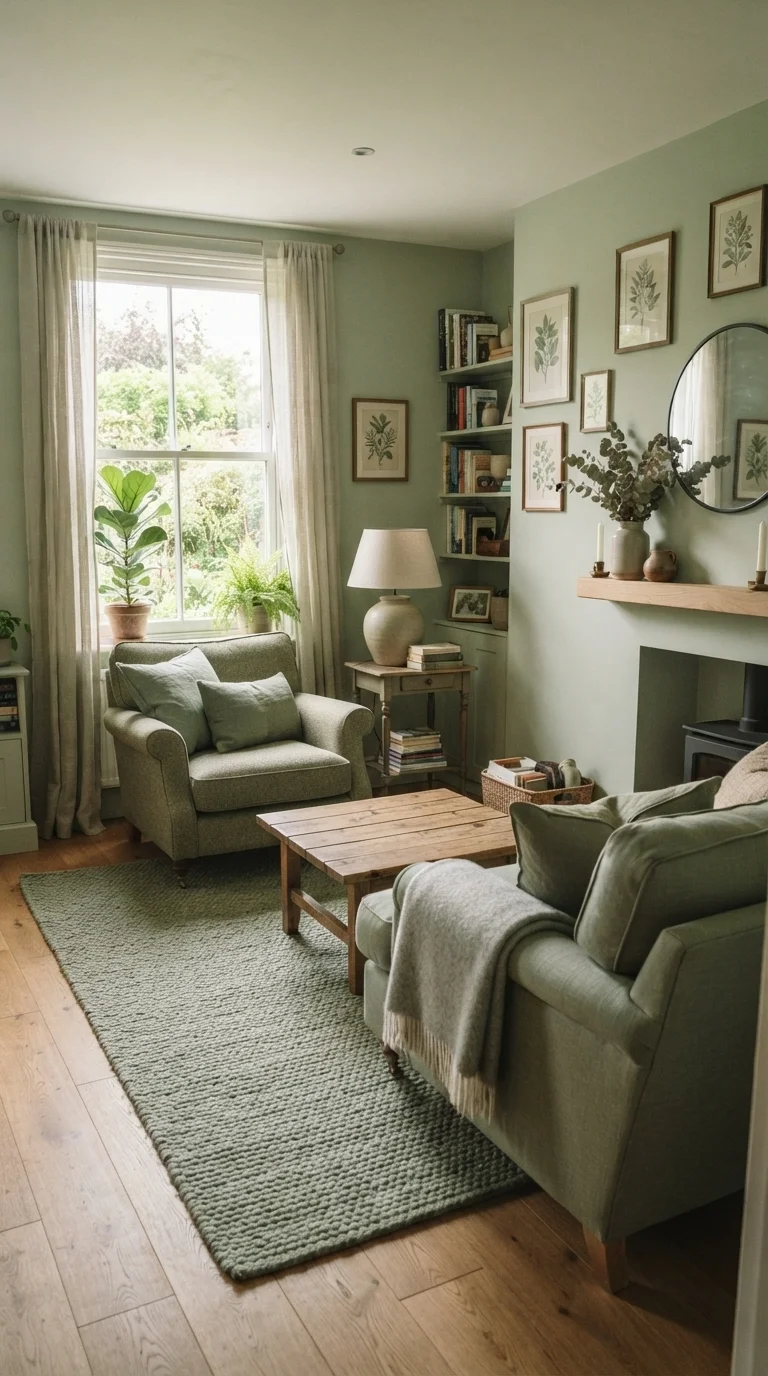
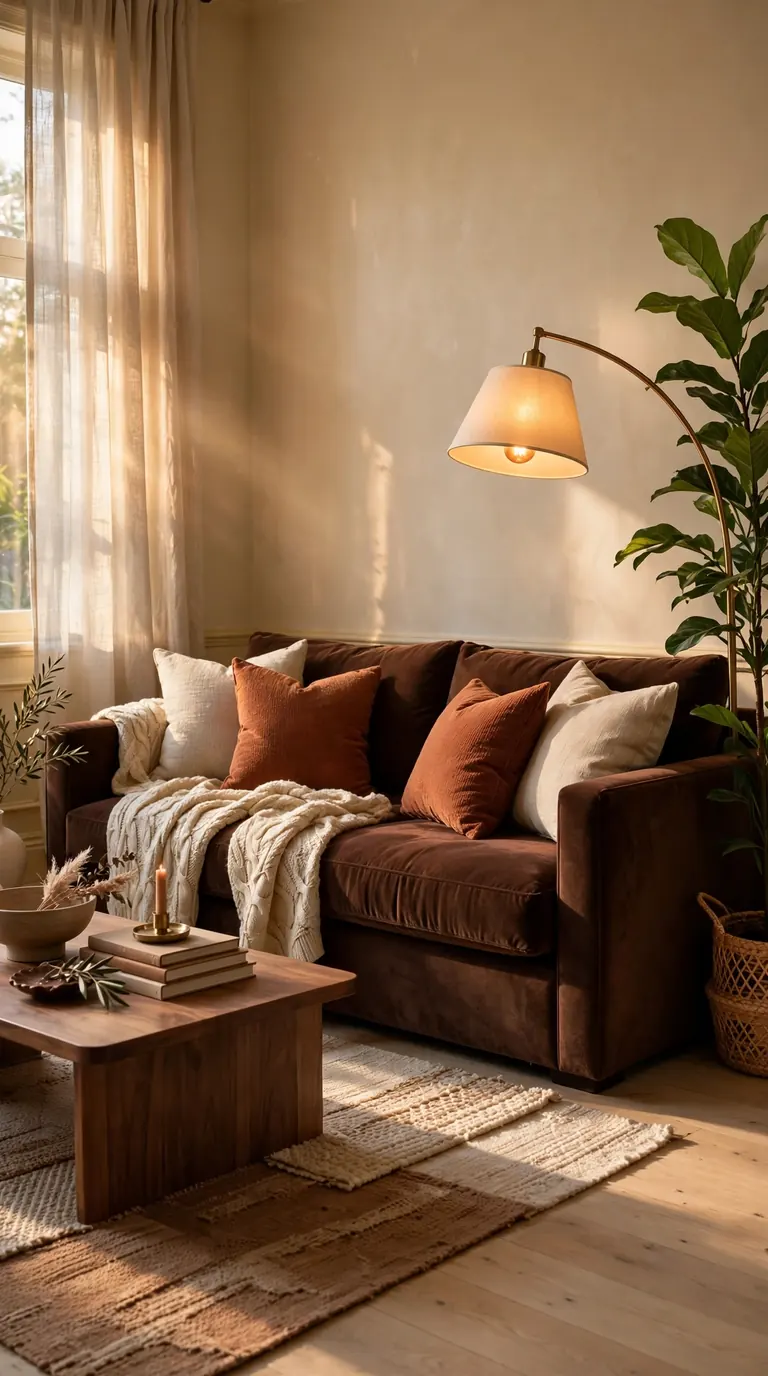
A monochromatic color scheme removes visual boundaries that typically chop up a small room. By keeping walls, trim, and upholstery within the same tonal family, you create a soft, continuous flow that makes the space feel cohesive. Texture becomes your main interest point here, so mix materials like velvet, boucle, and raw linen. This approach is best for those who want a calm, sophisticated retreat from a busy world.
5. Multi-Functional Pieces with Hidden Utility
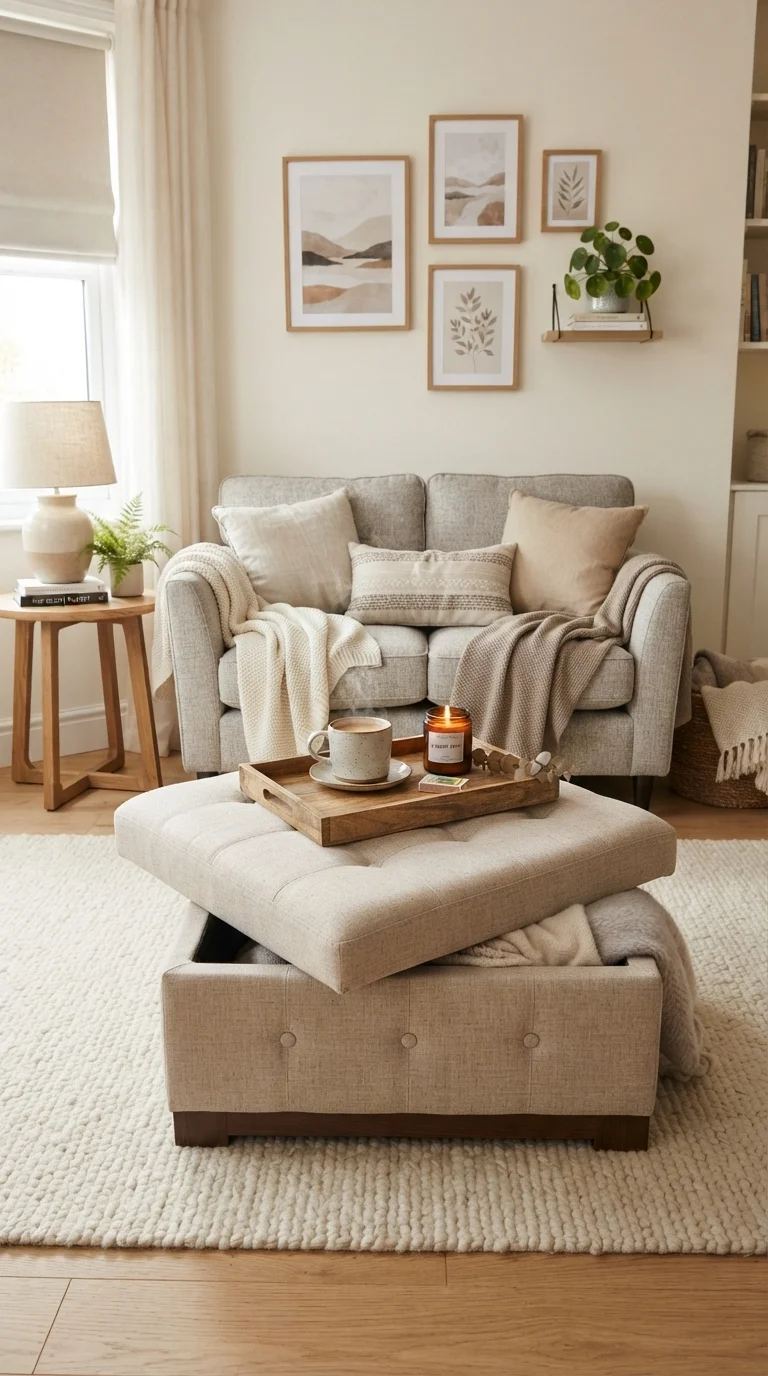
In a limited space, every piece of furniture should work double-time. An ottoman with hidden storage acts as both a footrest and a place to stow blankets or remote controls. Consider nesting tables that pull out only when guests arrive. These pieces prevent the room from feeling overstuffed with single-purpose items. This design strategy is essential for anyone living in a studio or small urban apartment.
6. Strategic Lighting for Layered Depth
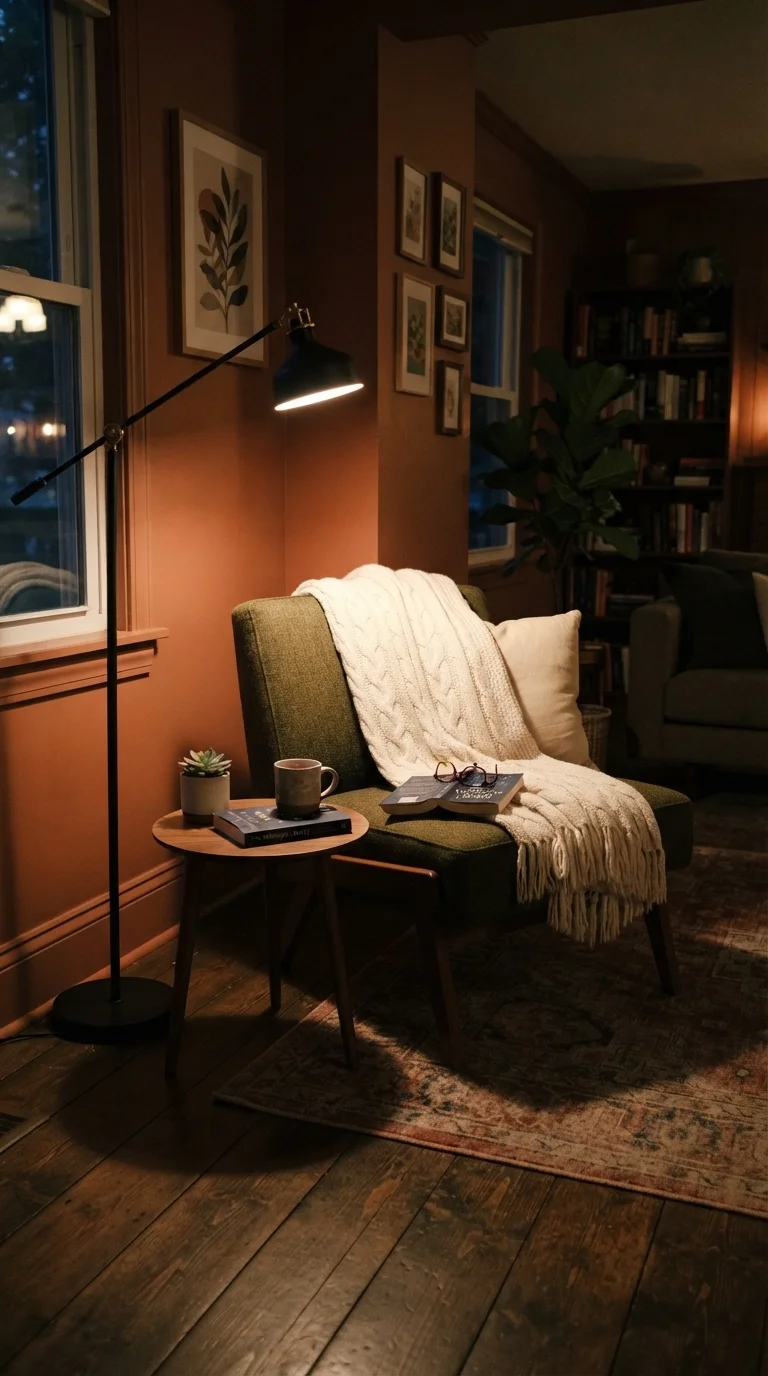
Lighting is often overlooked, but in a small room, it defines the mood and depth. Avoid a single harsh overhead light. Instead, layer your lighting with a mix of floor lamps, wall sconces, and table lamps to create pools of warmth. This creates a sense of dimension that makes the space feel intentionally designed rather than just small. Use warm-toned bulbs to ensure the atmosphere stays cozy and inviting after sunset.
7. Rugs That Define and Anchor the Space
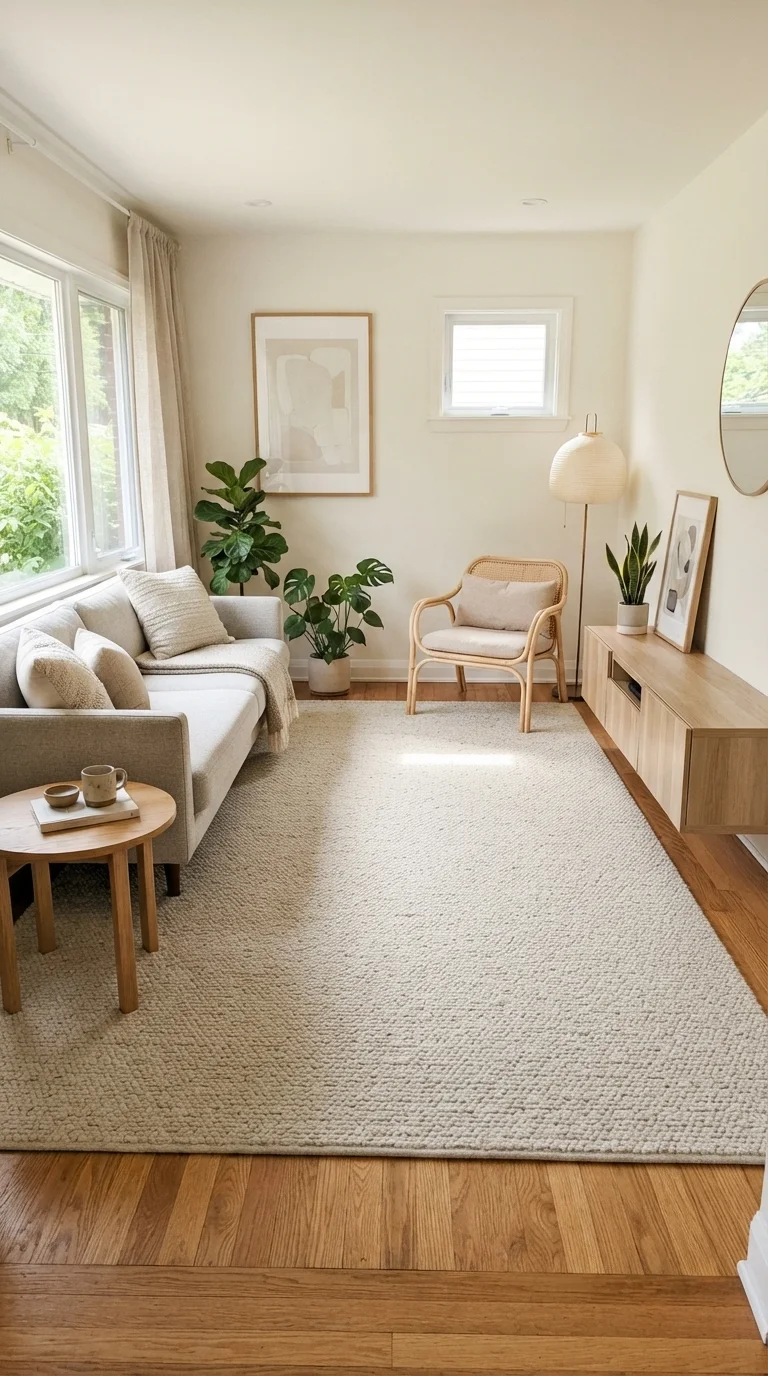
A common mistake is using a rug that is too small, which makes the room feel fractured. Opt for a large rug that allows the front legs of your sofa and chairs to sit on top of it. This anchors the furniture and creates a distinct living zone, even in open-concept layouts. Choose light, neutral patterns to keep the floor looking expansive and clean.
8. Vertical Wall Decor to Draw the Eye Up
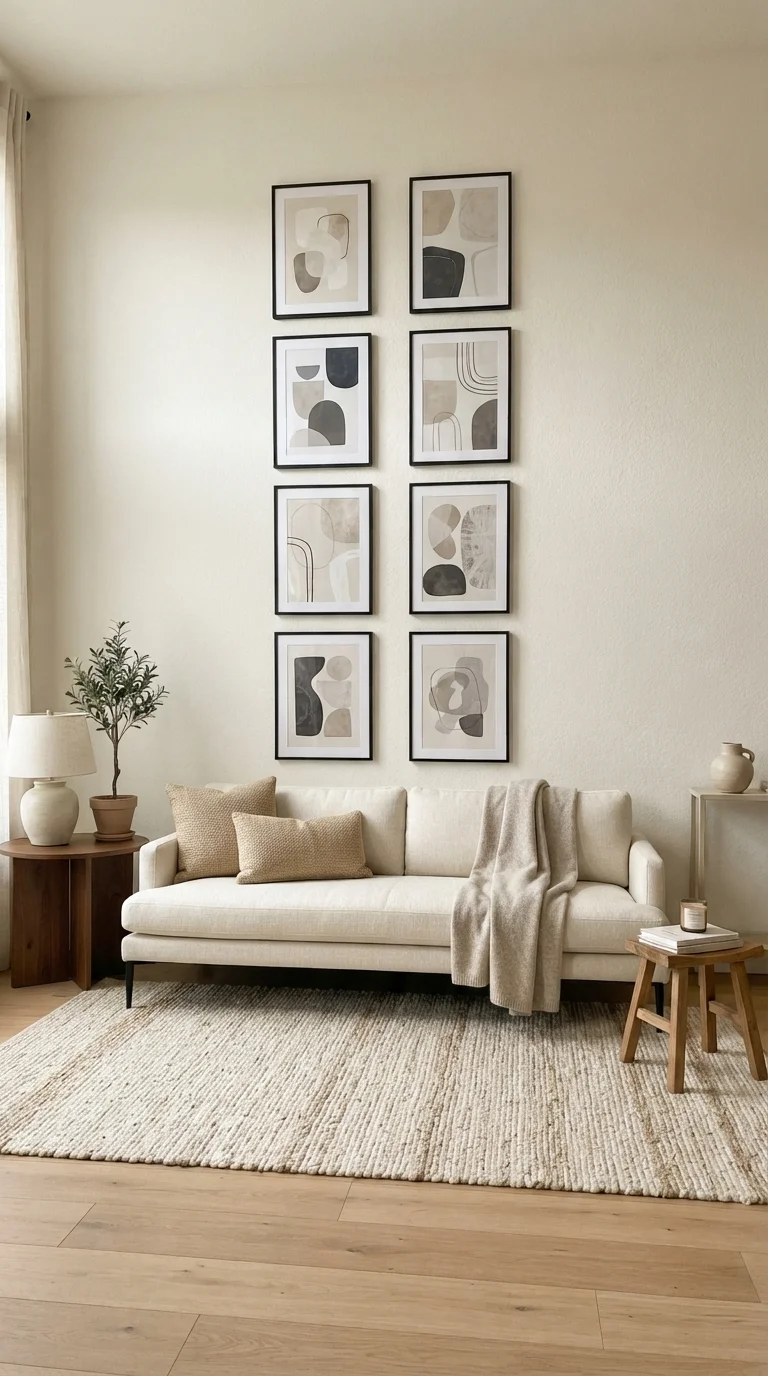
When floor space is at a premium, look to your walls. Vertical art arrangements or tall shelving units draw the eye upward, emphasizing the height of the room. This makes the space feel grander than its actual dimensions suggest. Keep the frames consistent in color to prevent the wall from looking too busy. This is an excellent way to express your personality through art without taking up any usable floor space.
9. Curated Decluttering for a Breathable Layout
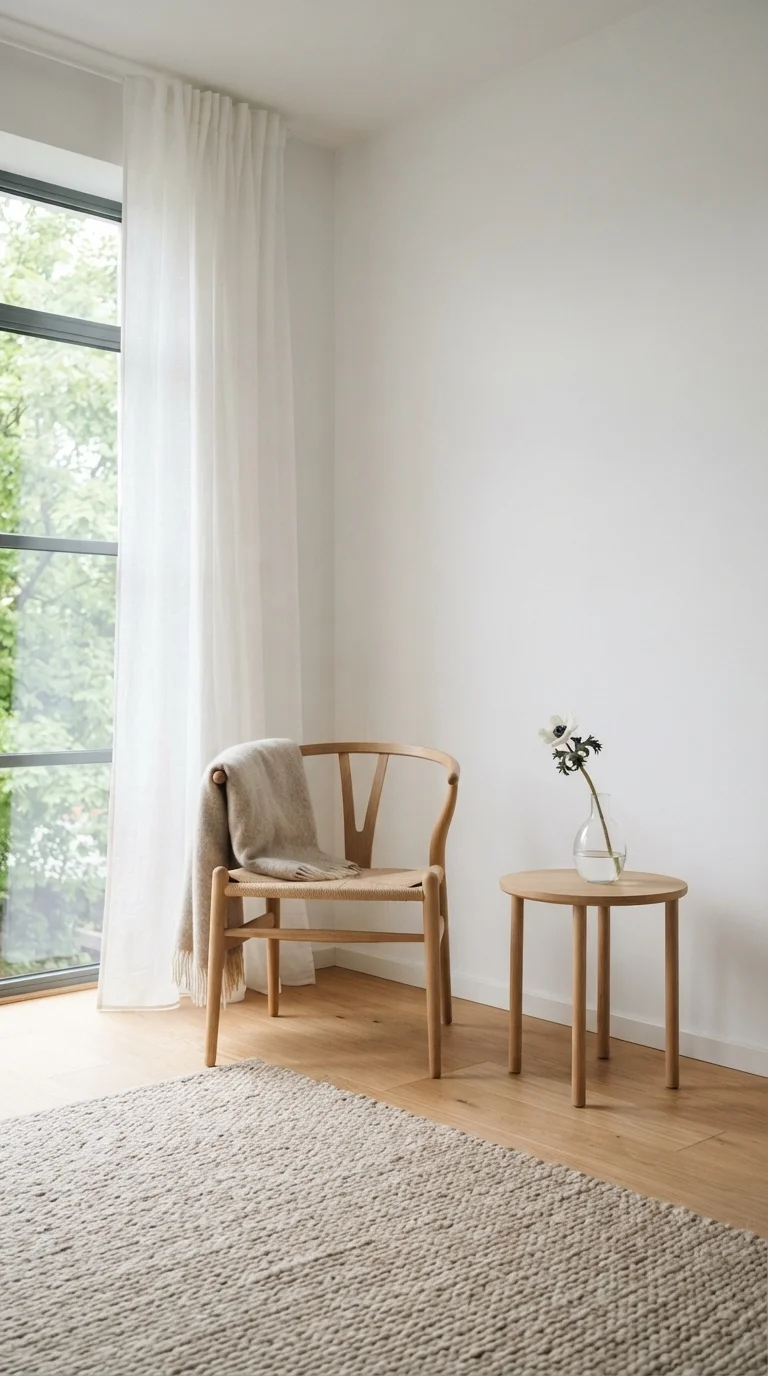
The most effective way to make a small room feel large is by ruthlessly editing your decor. Every item should have a purpose or bring genuine joy. Keep surfaces mostly clear, using only a few intentional decor objects like a single stack of books or a piece of greenery. This creates a sense of intentionality and calm. It is the perfect approach for those who want their home to feel like a quiet, restorative sanctuary.