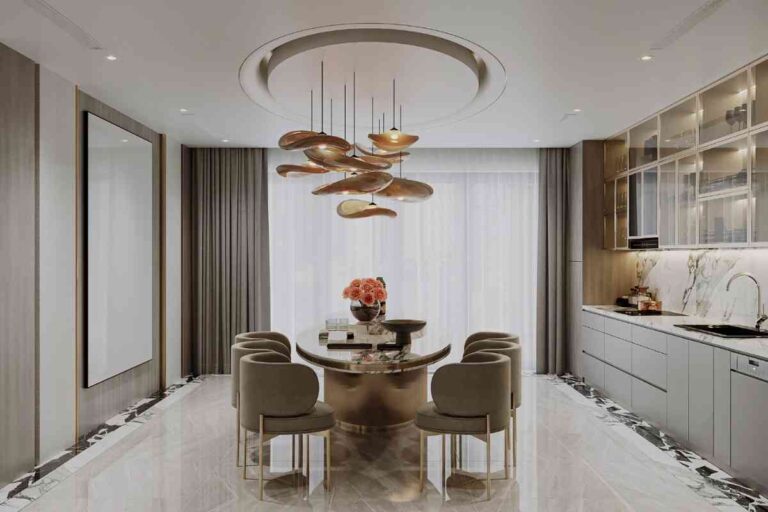
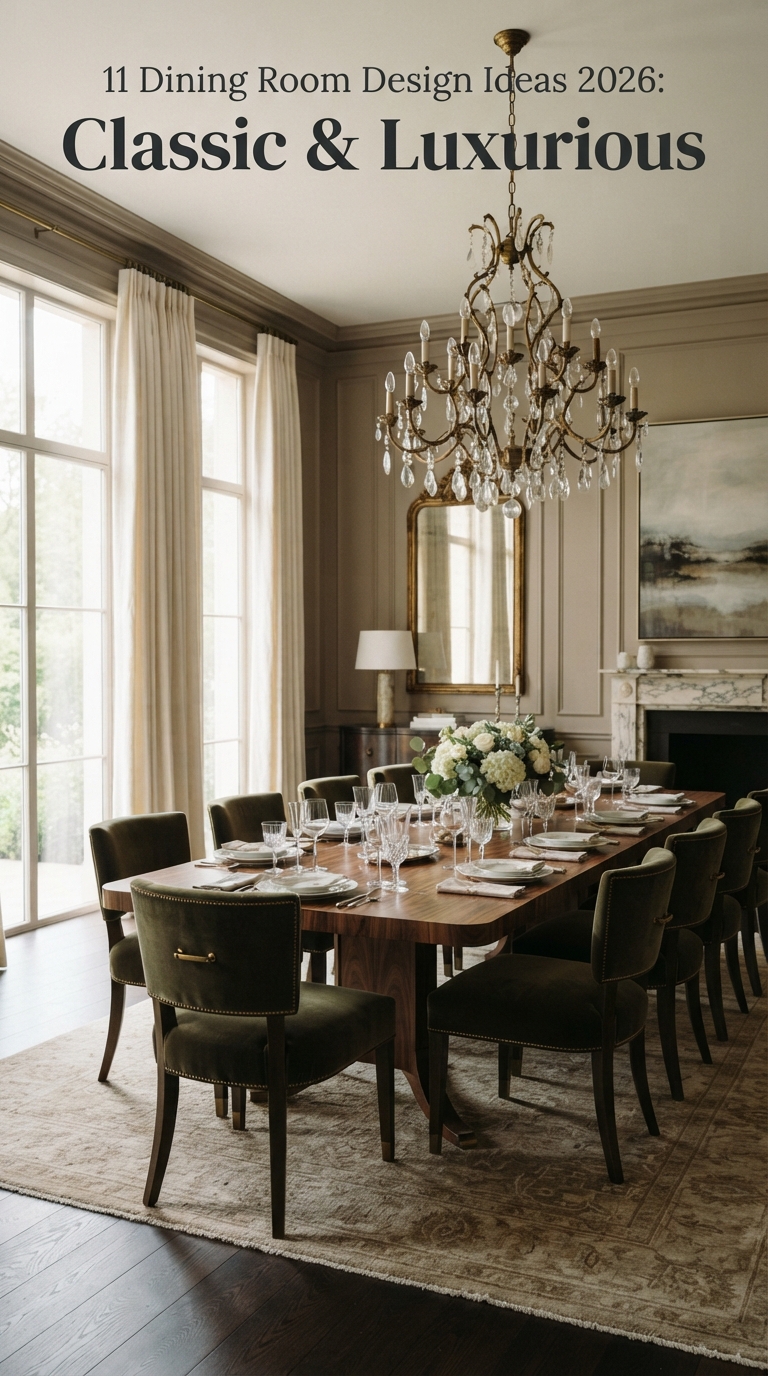
The dining room is evolving into the heart of the home, serving as a sanctuary for slow meals and intimate conversations. As we look toward 2026, the trend shifts toward timeless luxury that feels lived-in rather than staged. Whether you prefer the structured elegance of traditional silhouettes or the soft, tactile appeal of modern organic materials, these design concepts offer a blueprint for a space that balances sophistication with everyday comfort. From dramatic lighting choices to intentional color layering, discover how to elevate your dining area into a space that feels both curated and inherently welcoming. Let’s explore eleven ways to redefine your dining experience for the years ahead.
1. The Art of Monochromatic Layering
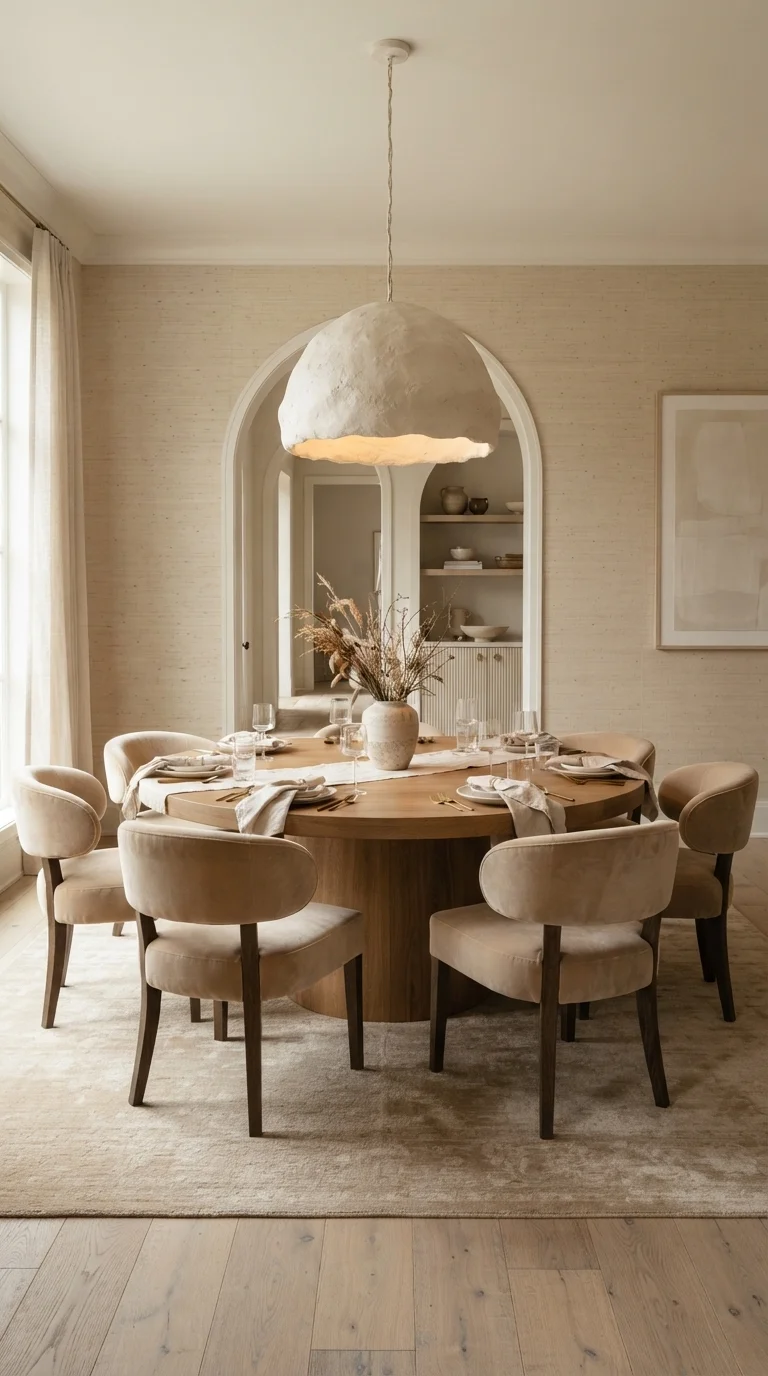
Monochromatic rooms thrive on texture rather than color contrast. By using varying shades of off-white and cream, you create a serene environment that feels expansive and calm. Incorporate natural linen curtains, a nubby wool rug, and matte ceramic vases to add depth without breaking the color scheme. This approach works exceptionally well in smaller homes where visual continuity helps the room feel larger. If you appreciate clean lines and soft aesthetics, you might also enjoy our guide on modern bathroom vanity ideas 2026 for a cohesive home refresh. Maintenance is straightforward, provided you choose high-performance fabrics for your upholstery.
2. Sculptural Lighting as a Focal Point
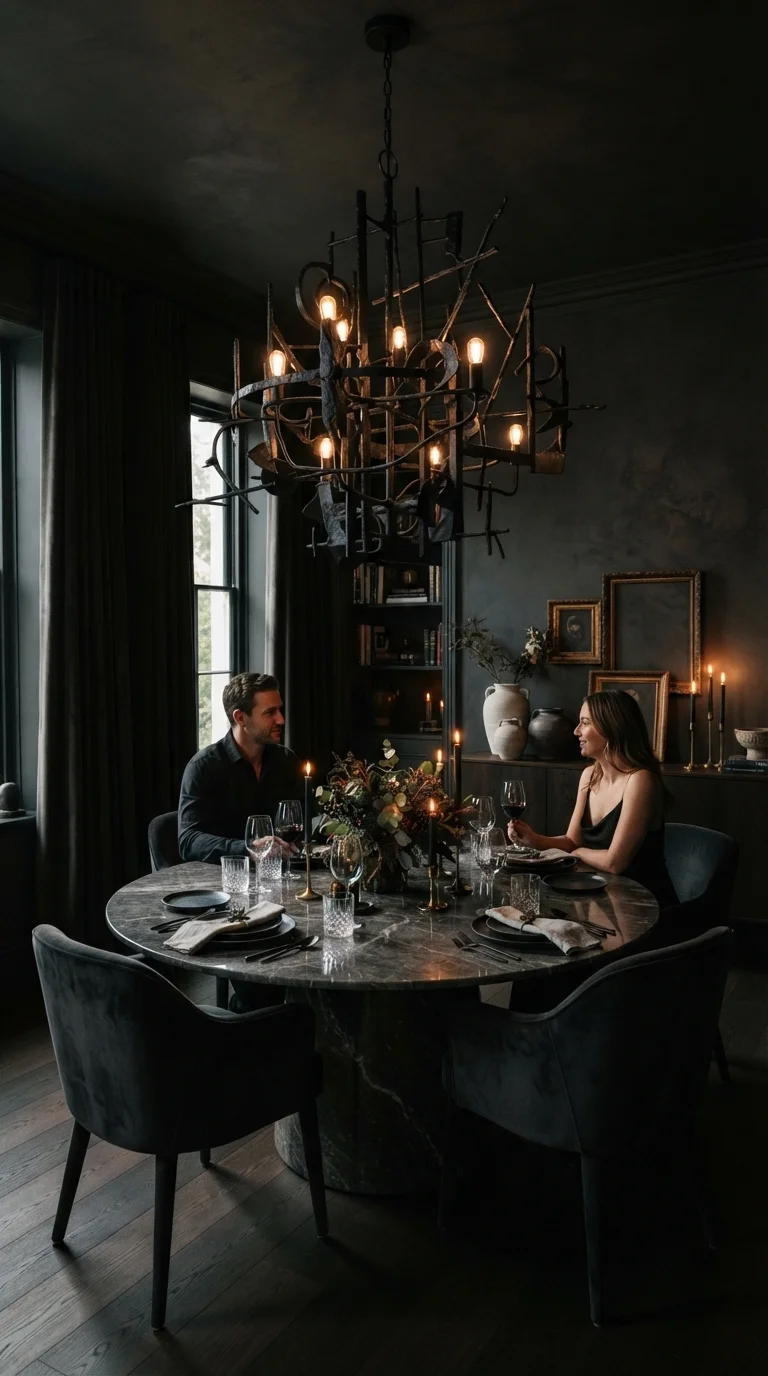
Lighting is the jewelry of the dining room. A single, large-scale sculptural fixture commands attention and anchors the space, making it feel intentional and finished. Choose materials like blackened steel or brushed brass to add a touch of industrial luxury. The key is to hang the fixture low enough to create a sense of intimacy over the table. This design works best in rooms with higher ceilings, as it draws the eye upward and creates a clear focal point. Pair this with dimmable bulbs to transition the atmosphere from bright morning coffees to moody, candlelit dinners effortlessly.
3. The Return of Dark Wood Tones
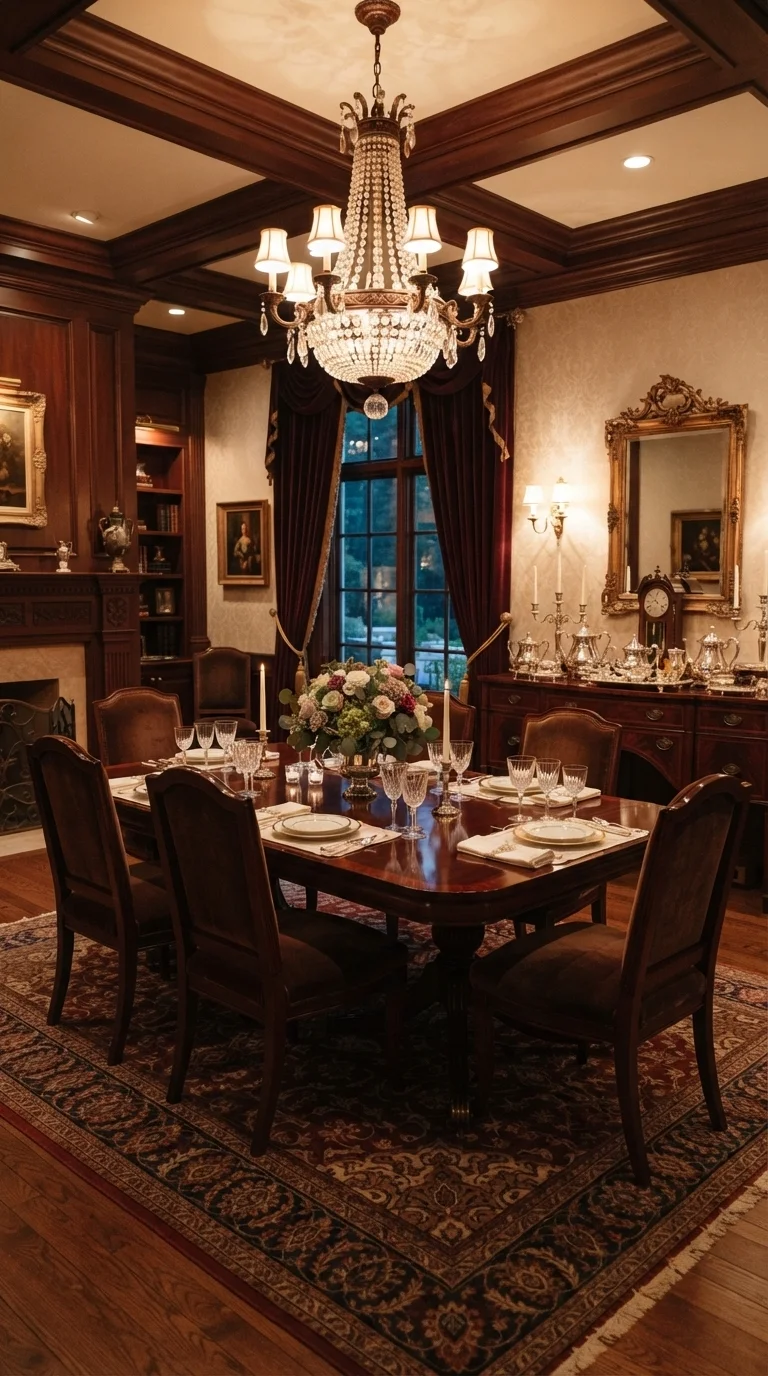
Dark, rich wood tones like mahogany and walnut are making a strong comeback in 2026. These woods ground a room, providing a sense of history and gravitas that lighter woods often lack. To keep the look modern, pair these heavy pieces with light-colored walls and minimalist art. This contrast prevents the room from feeling too heavy or dated. Consider this style if you enjoy classic, timeless interiors that value craftsmanship and longevity. The natural grain of the wood acts as a secondary texture, so keep accessories simple—think crystal glassware and crisp white linens.
4. Integrated Built-in Banquet Seating
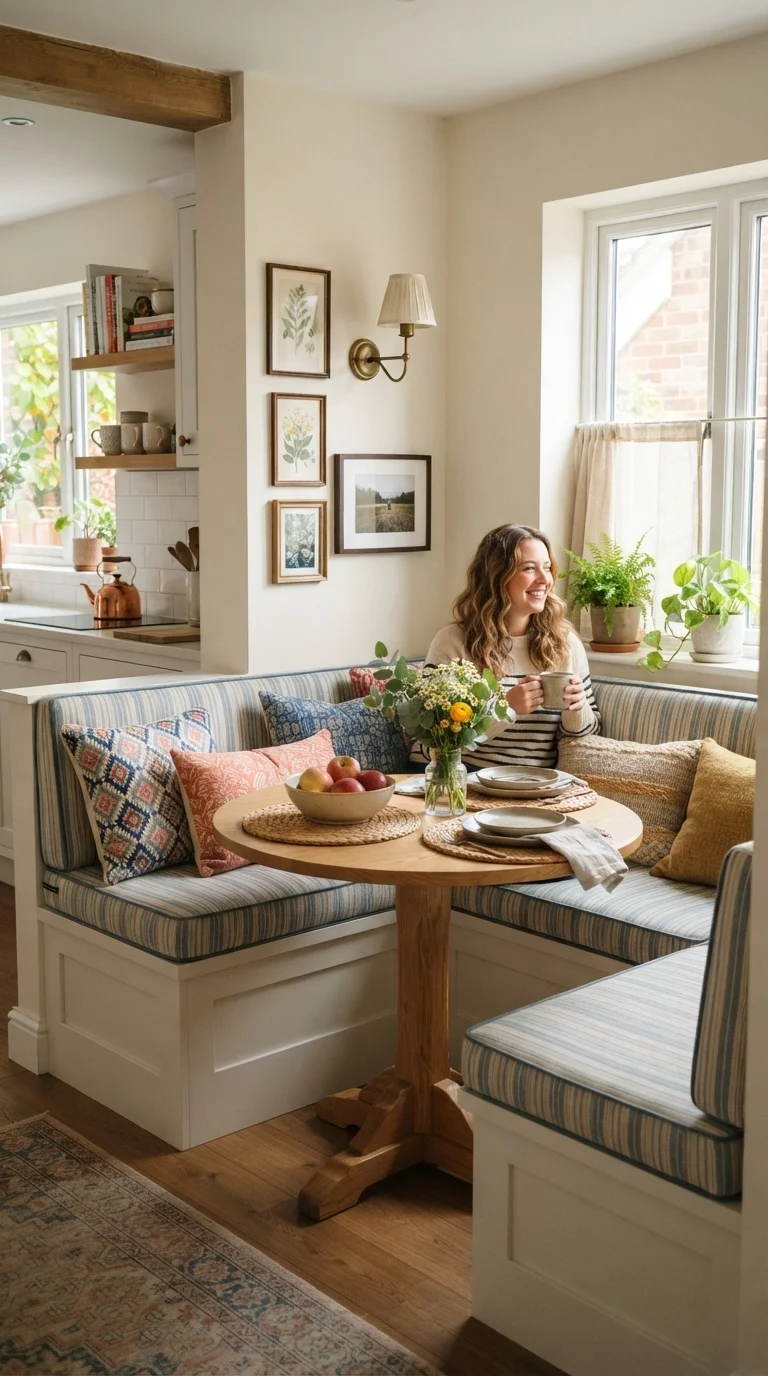
Built-in banquettes are the ultimate space-saving luxury. By tucking seating against a wall, you free up valuable floor space while creating an incredibly cozy, cafe-like atmosphere. Use high-quality upholstery fabrics that can handle daily wear, and add a mix of throw pillows for comfort. This layout is perfect for families or those who host casual weekend brunches. It encourages a relaxed flow, making it easier to navigate around the table. Ensure the seat height is comfortable relative to your table height to avoid the dreaded hunch while eating.
5. Statement Floor-to-Ceiling Drapery
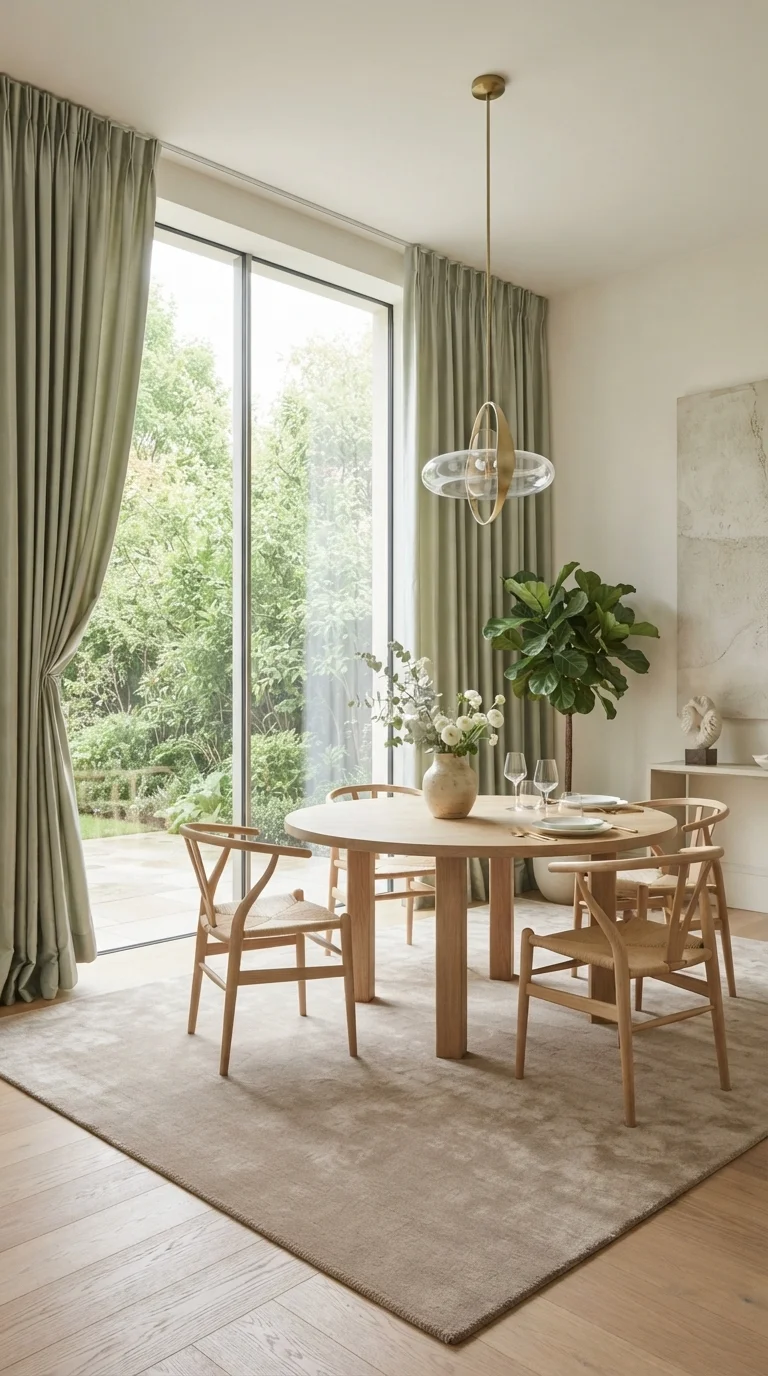
Drapes that span from the ceiling to the floor add instant height and drama to any dining room. Choose heavy, high-quality fabrics like silk or velvet to bring a sense of luxury to the space. Beyond aesthetics, floor-to-ceiling drapes improve the room’s acoustics, softening the sound of dinner party chatter. This is an excellent way to dress up a room that lacks architectural character. Mount the rod as high as possible to maximize the visual impact. The result is a room that feels polished, finished, and incredibly elegant.
6. Mixed Material Dining Tables
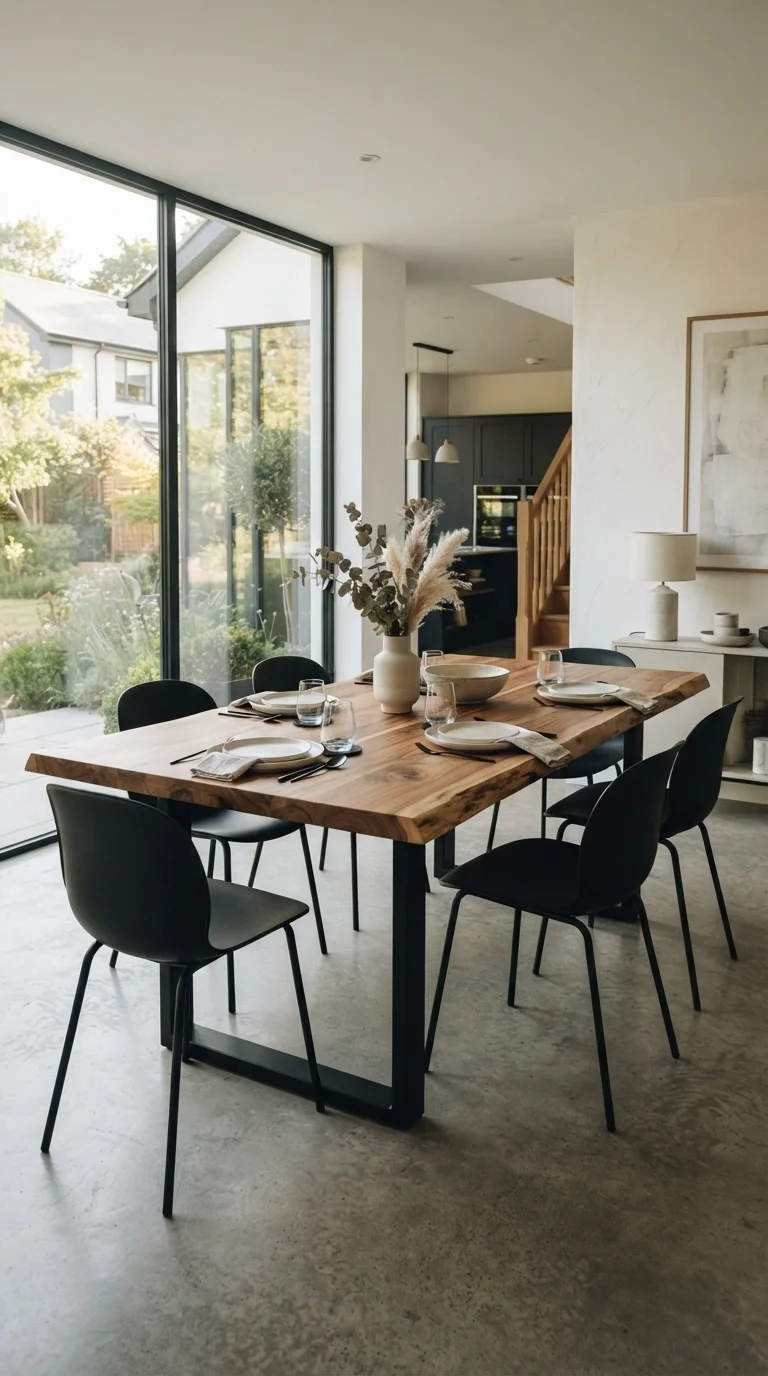
Mixing materials creates a dynamic, modern aesthetic that feels curated over time. A table that combines a warm wood top with a sleek metal or stone base feels grounded yet contemporary. This approach allows you to bridge the gap between different design styles, such as rustic and industrial. It works well for homeowners who dislike perfectly matched furniture sets. By choosing a table with a unique base, you reduce the need for excessive decor elsewhere in the room, letting the furniture speak for itself.
7. The Modern Gallery Wall
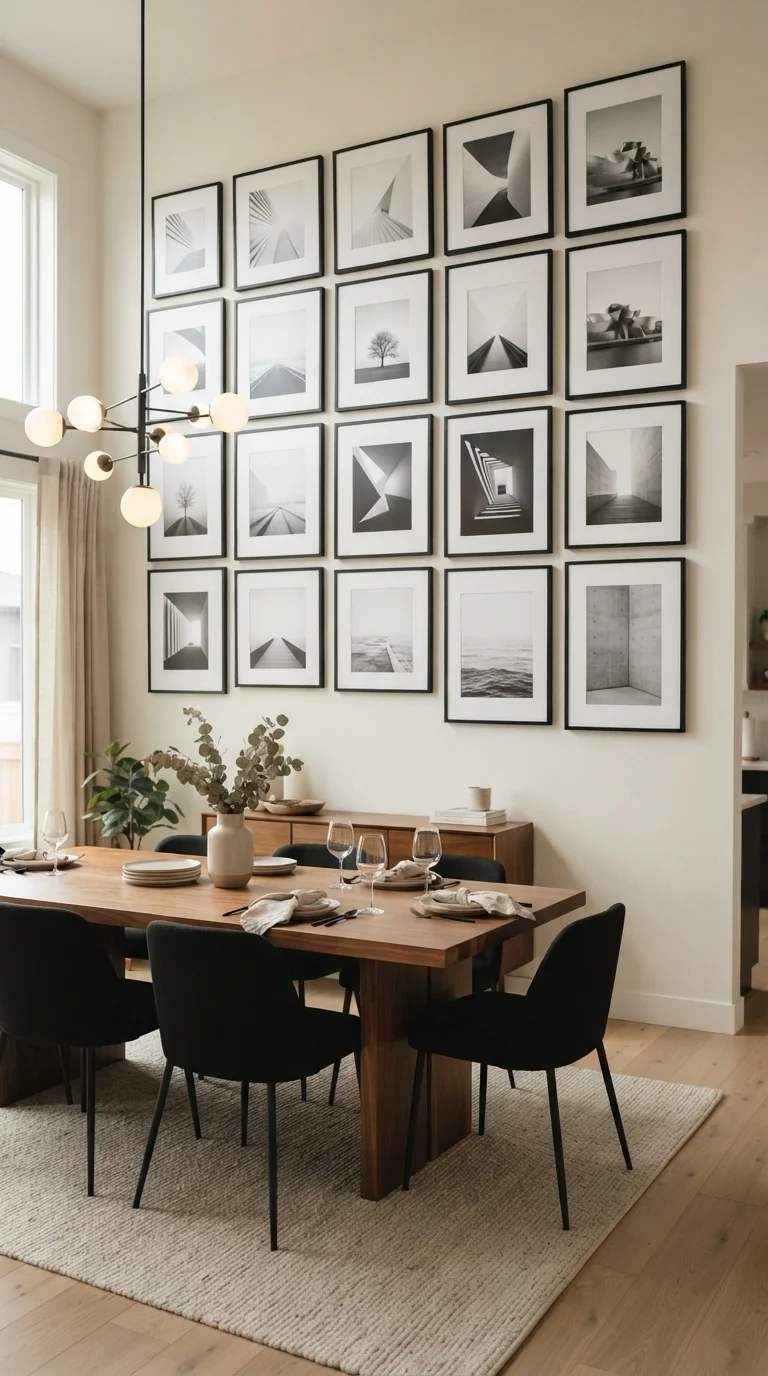
A gallery wall transforms a blank dining room wall into a personal narrative. For 2026, the trend leans toward oversized pieces or uniform, slim-framed prints that create a clean, organized look. Avoid cluttering the wall with too many small, disjointed items. Instead, focus on a cohesive color palette or theme. This is a perfect opportunity to showcase family photography or local art. It adds personality to the room without requiring permanent architectural changes. Ensure the lighting is directed toward the art to create a gallery-like effect during evening meals.
8. Organic Shapes and Soft Curves
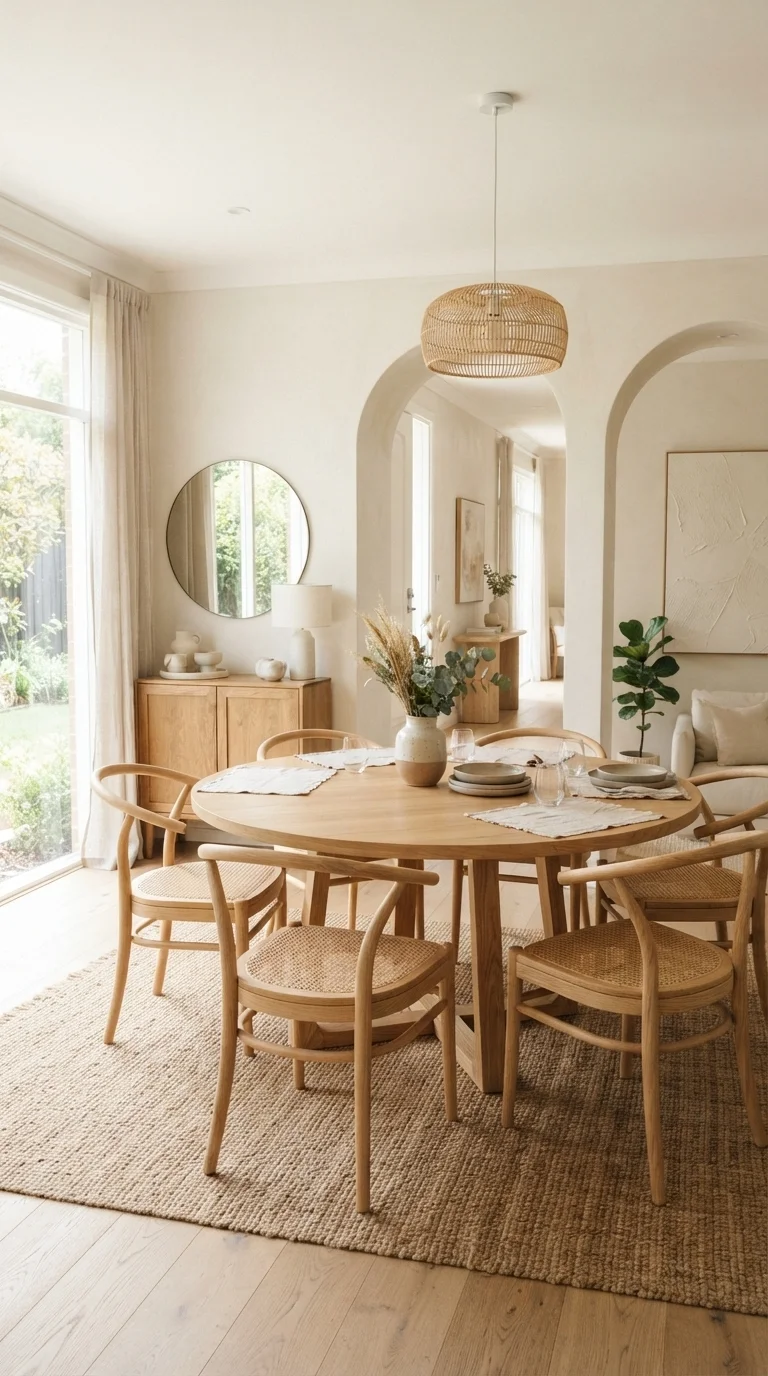
Curves soften the often-rigid lines of a dining room. A round table encourages better conversation flow and feels less formal than a long rectangular one. Pair it with chairs that feature rounded backs or soft, organic shapes. This aesthetic is rooted in comfort and approachability. It works beautifully in open-concept homes where the dining area needs to blend into the living space. The lack of sharp corners also makes the room feel safer and more fluid. Keep the decor minimal to emphasize the beauty of these soft silhouettes.
9. Statement Rugs for Zoning
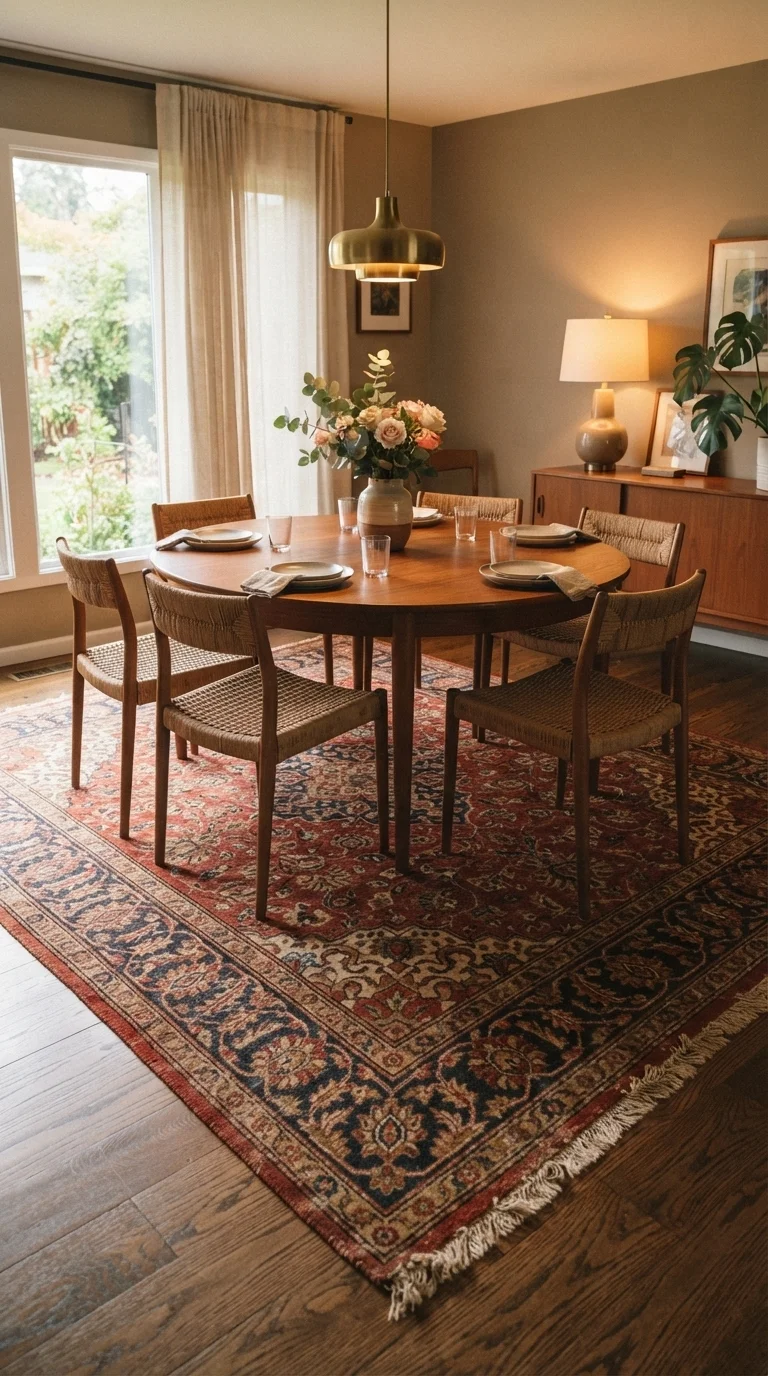
A rug defines the dining zone in an open floor plan. Choose a flat-weave or low-pile rug to ensure chairs can slide in and out easily. The rug should be large enough that all chair legs remain on the surface even when pulled out. This adds a layer of comfort and color to the room, acting as the foundation for your design. Opt for durable, stain-resistant materials if you have a busy household. A well-chosen rug ties all the colors of the room together into one cohesive vision.
10. Ceiling Treatments and Texture
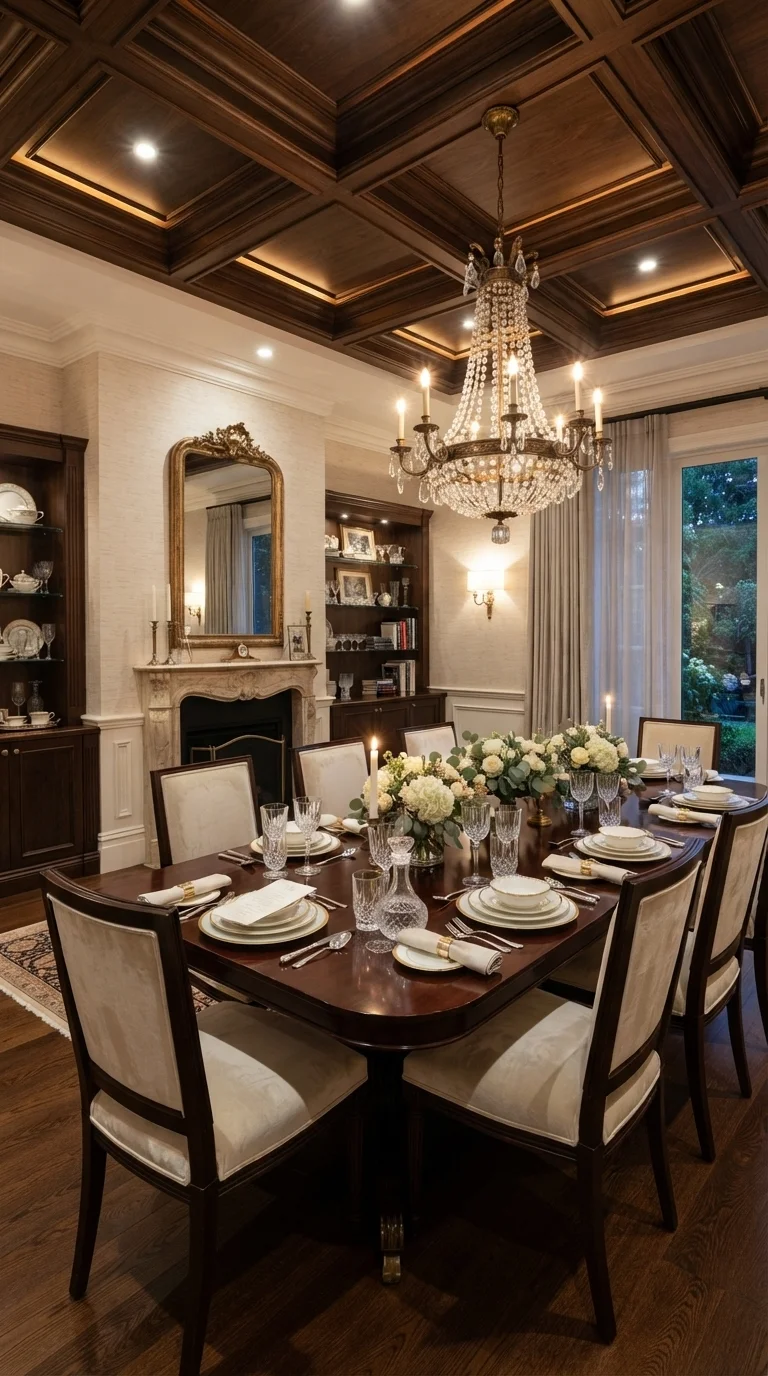
The ceiling is often the most overlooked surface in a room. By adding coffered details, wallpaper, or even a subtle paint color, you draw the eye up and add architectural interest. This is particularly effective in dining rooms where you want to create a sense of occasion. It adds depth and character that simple flat paint cannot achieve. This design element is ideal for those who want a formal, high-end feel. It pairs perfectly with classic furniture and ensures the room feels like a purposeful, designed space.
11. The Botanical Connection
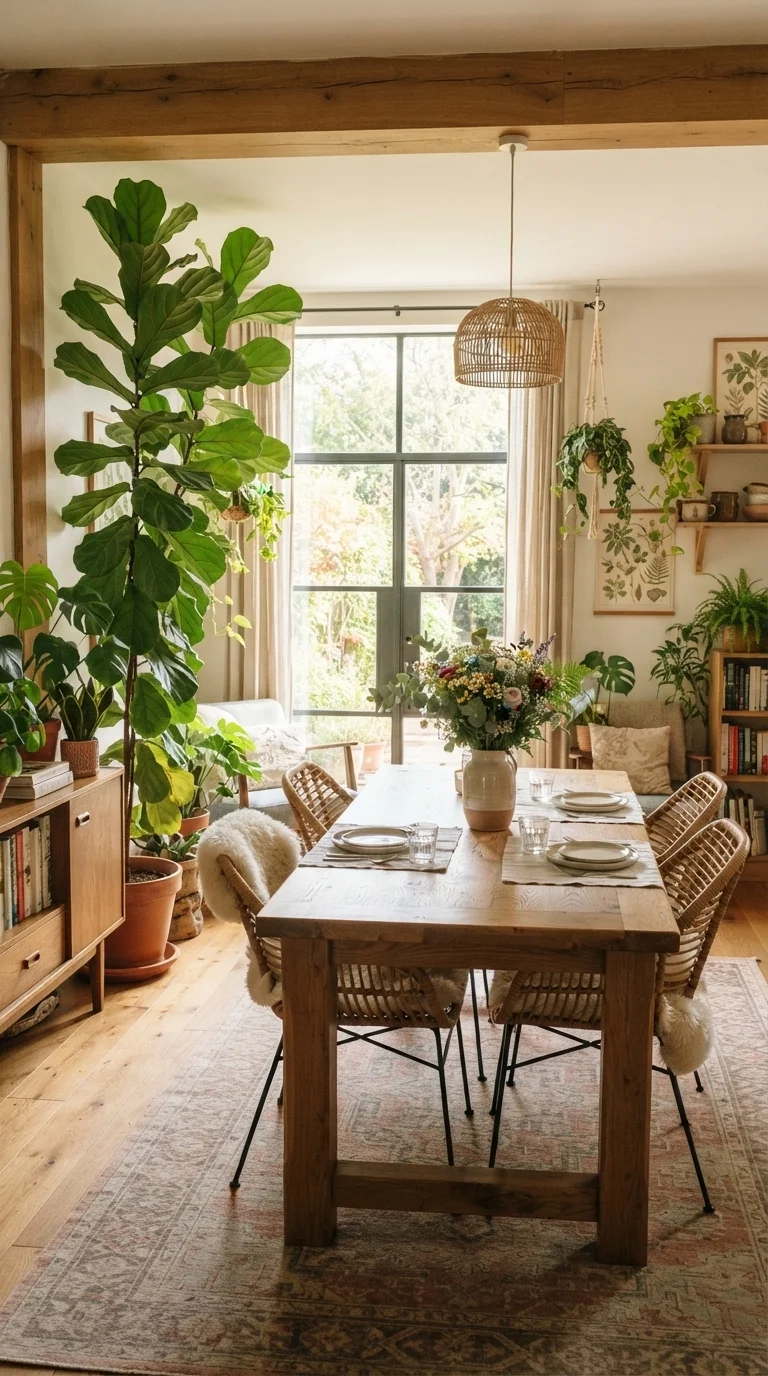
Bringing the outdoors in is a timeless way to refresh a dining space. Large potted plants add height and life, while a fresh floral arrangement on the table serves as a natural centerpiece. This connection to nature promotes a sense of well-being and keeps the room feeling fresh. It works well with almost any design style, from modern to traditional. Maintenance is key—ensure your plants have enough light and your flowers are changed weekly. It is the simplest way to make a room feel alive and vibrant.