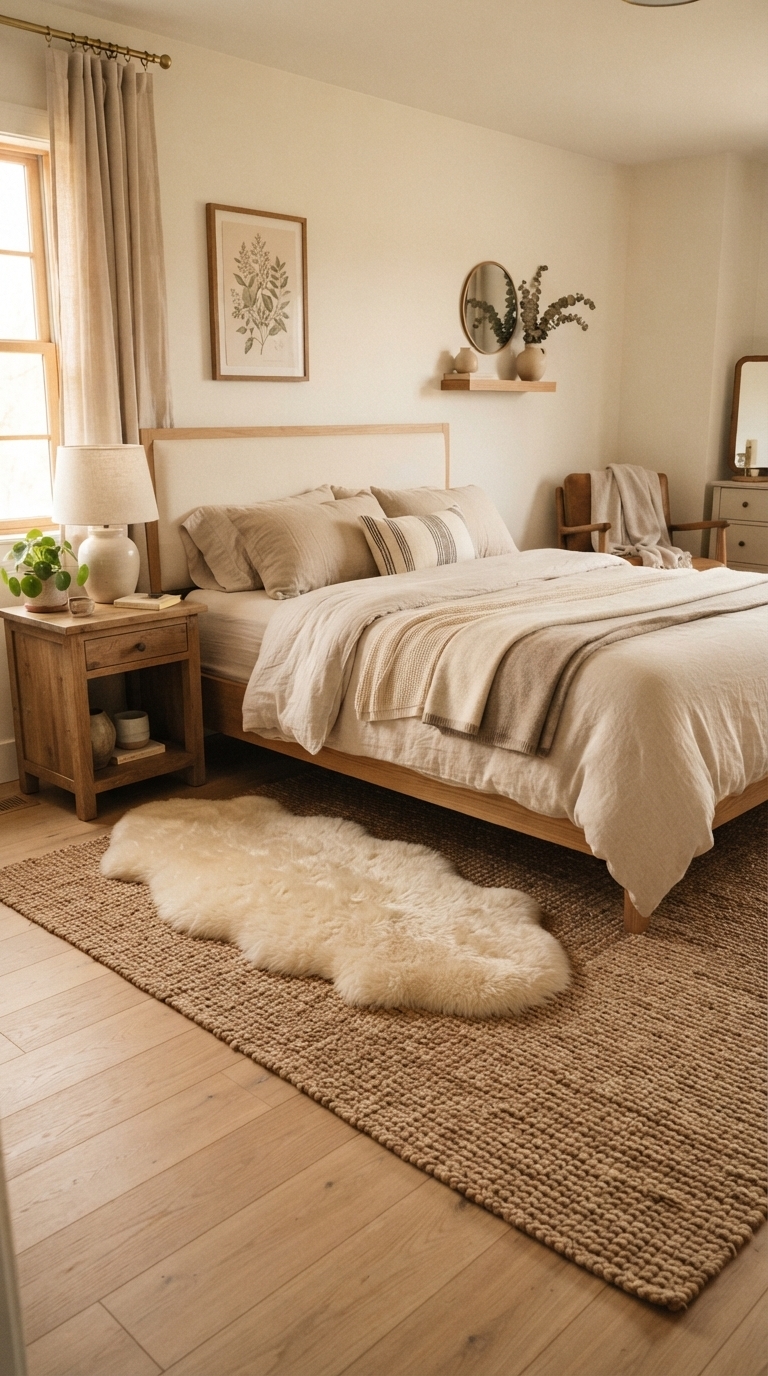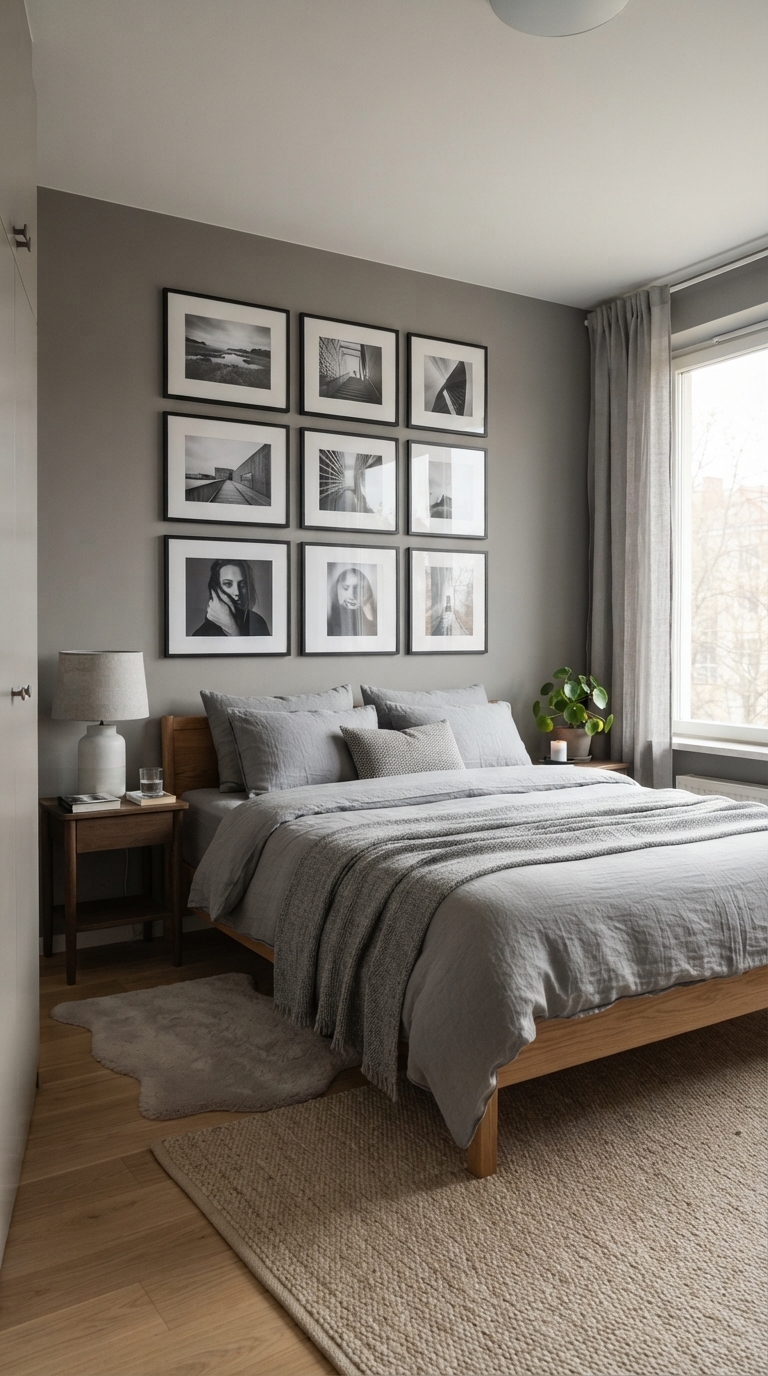
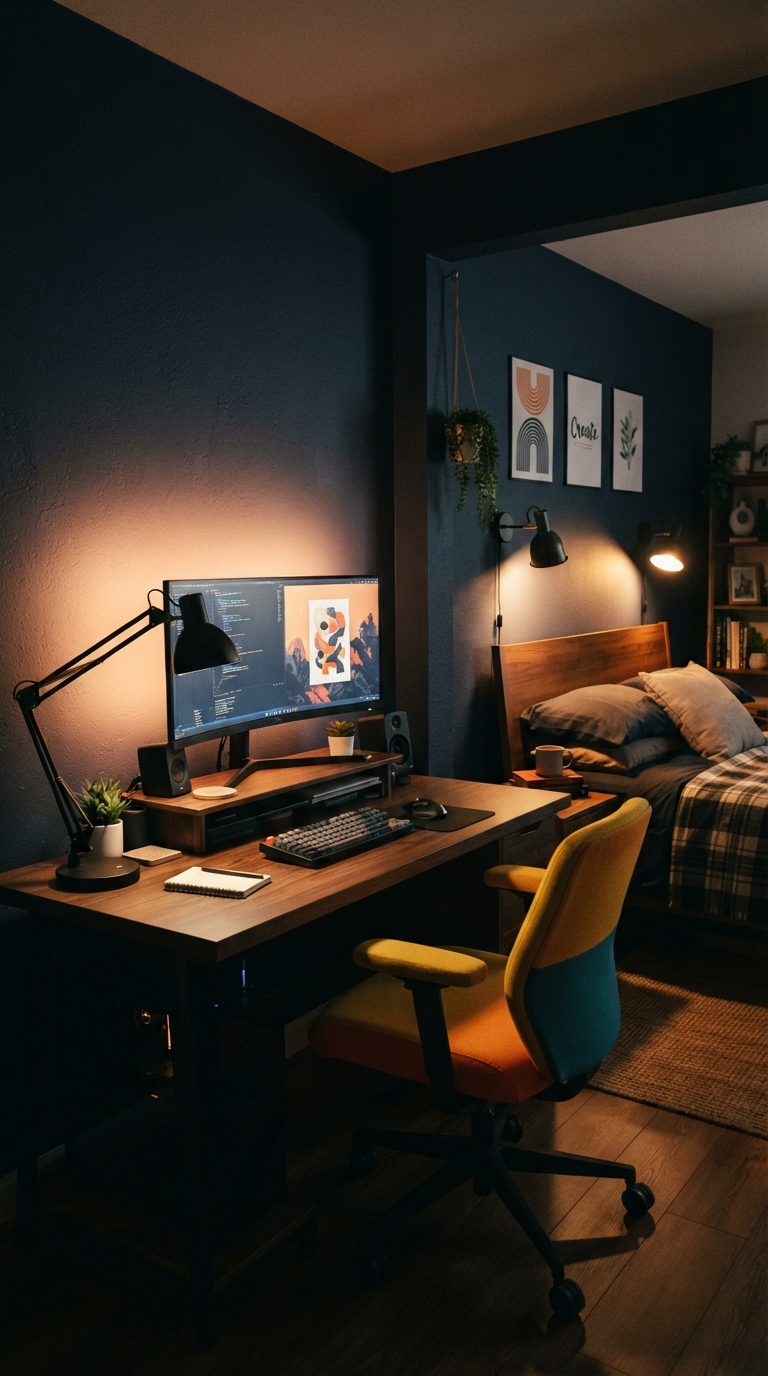
Refreshing a boy’s bedroom for 2026 is all about embracing bold personality and functional playfulness. Move past the standard neutral palettes and explore how saturated hues and smart spatial planning can create a room that grows alongside your child. Whether you are dealing with a compact urban bedroom or a sprawling space, the right mix of color, texture, and clever storage will turn any room into a creative sanctuary. This guide showcases nine distinct design concepts that prioritize style and durability. From modular furniture arrangements to artistic wall treatments, these ideas offer practical ways to update your home. Let’s explore how to bring vibrant, modern energy into your next bedroom project.
1. Saturated Primary Color Blocking
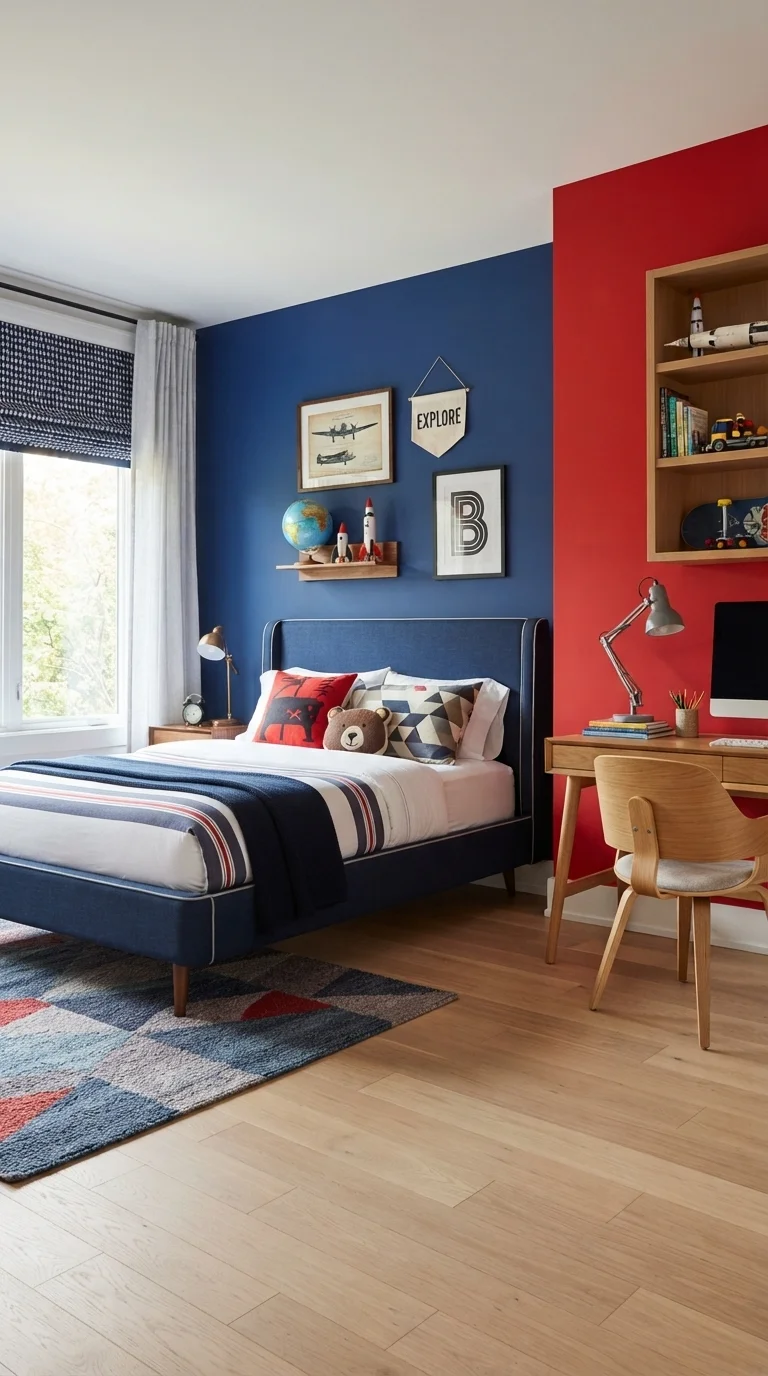
Color blocking uses sharp, clean lines to define specific zones within a bedroom. By painting one section of the wall in a deep cobalt blue and another in a crisp white or bold red, you create a natural focal point behind the bed. This method works well for small rooms where you want to add depth without using busy patterns. Pair these walls with light oak furniture to prevent the space from feeling too heavy or closed in. This design is ideal for children who enjoy high-energy environments and want a room that feels modern and architectural.
2. The Modular Loft Sanctuary
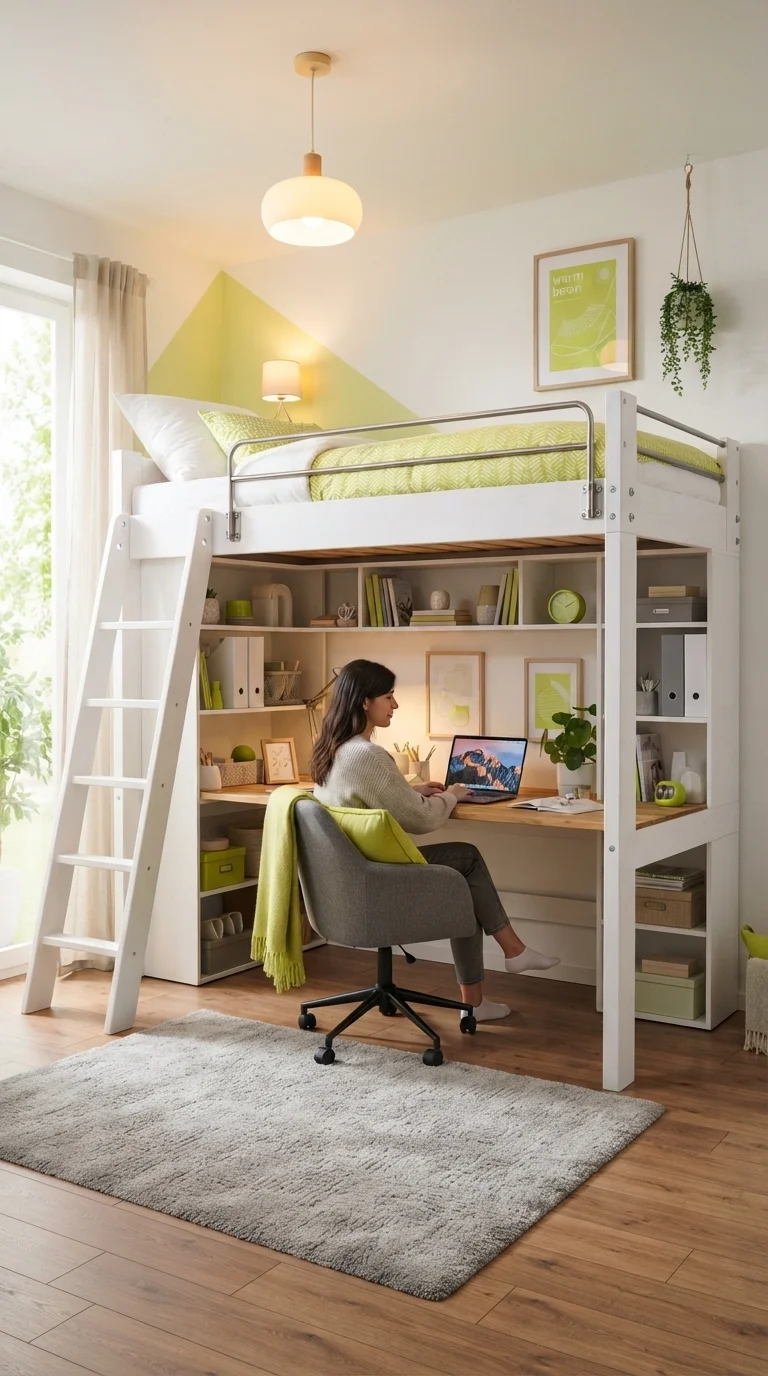
Loft beds are the ultimate solution for maximizing floor space in smaller bedrooms. By lifting the bed, you create a private nook underneath for a desk or a lounge area. In 2026, look for modular systems that allow you to rearrange components as your child grows. Incorporating bright lime green accents on the ladder and storage bins adds a playful, energetic touch. This setup is perfect for active boys who need a dedicated area for both sleep and study. It keeps the floor clear for play, which is essential for maintaining a sense of order.
3. Geometric Mural Focal Points
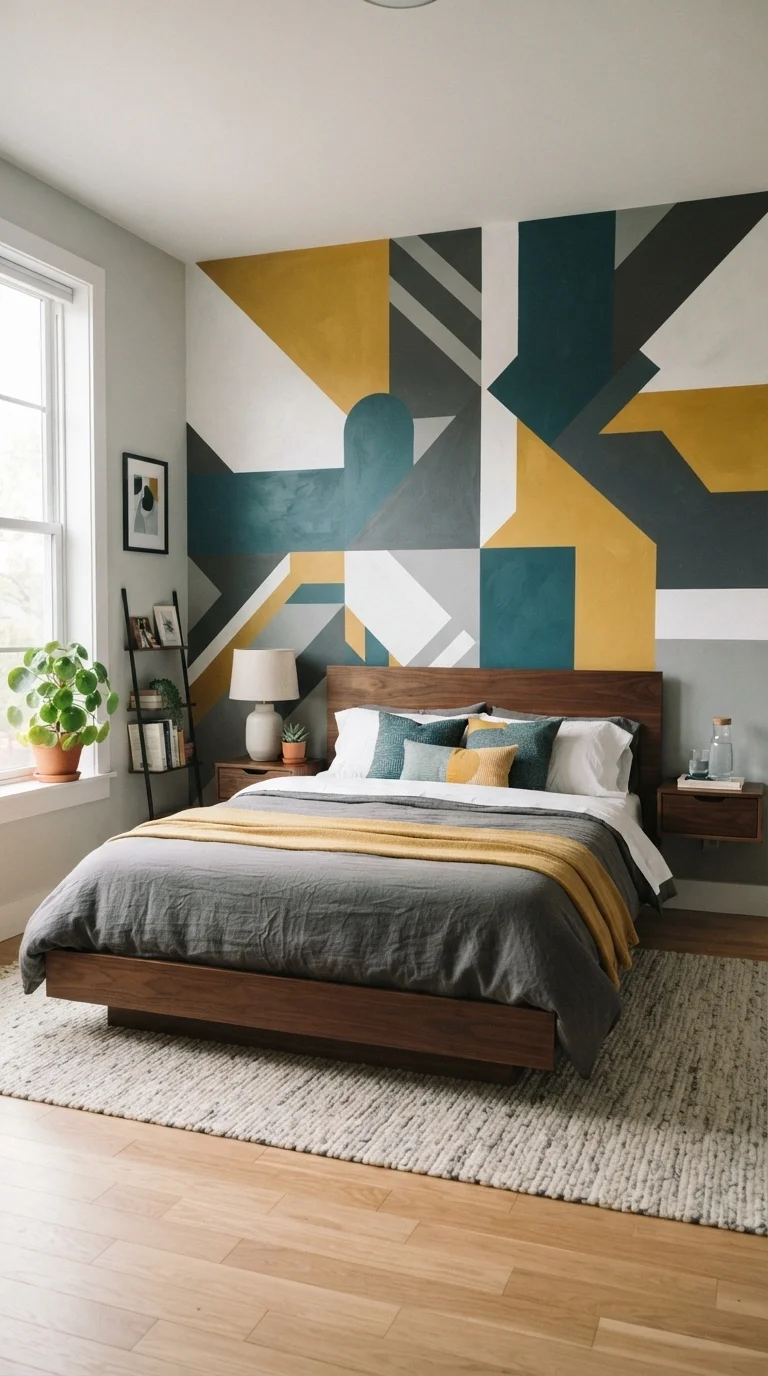
Wall murals act as the anchor for the entire room’s design. Use geometric shapes in mustard yellow and teal to create a sophisticated yet youthful vibe. This approach replaces the need for excessive wall art, keeping the room clutter-free. Ensure the furniture remains low-profile to let the mural stand out as the primary feature. If you prefer a more subtle look, stick to two tones that complement the existing bedding. For those looking for more inspiration, you might consider how these styles compare to cozy modern guests bedroom ideas 2026 for a cohesive home aesthetic.
4. Industrial Textures and Warm Woods
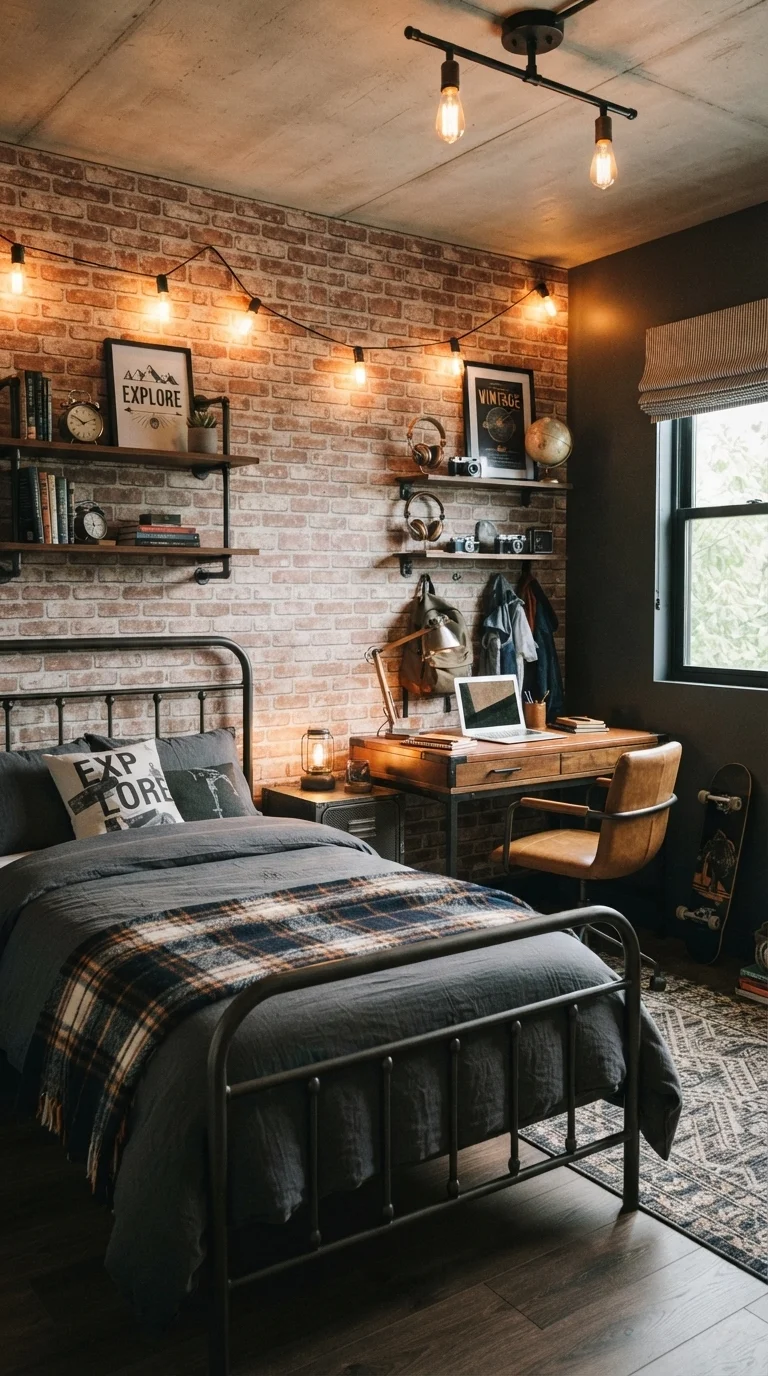
Industrial design brings a sense of maturity to a boy’s room. Mixing cold elements like metal bed frames with warm walnut wood desks creates a balanced, inviting atmosphere. Exposed brick or concrete-textured wallpaper adds a layer of depth that feels rugged and permanent. This style is excellent for older boys who want a room that feels grown-up but still retains a sense of adventure. Use warm, dimmable lighting to soften the industrial edges, making the room feel like a cozy retreat after a long day at school.
5. Interactive Magnetic Wall Zones
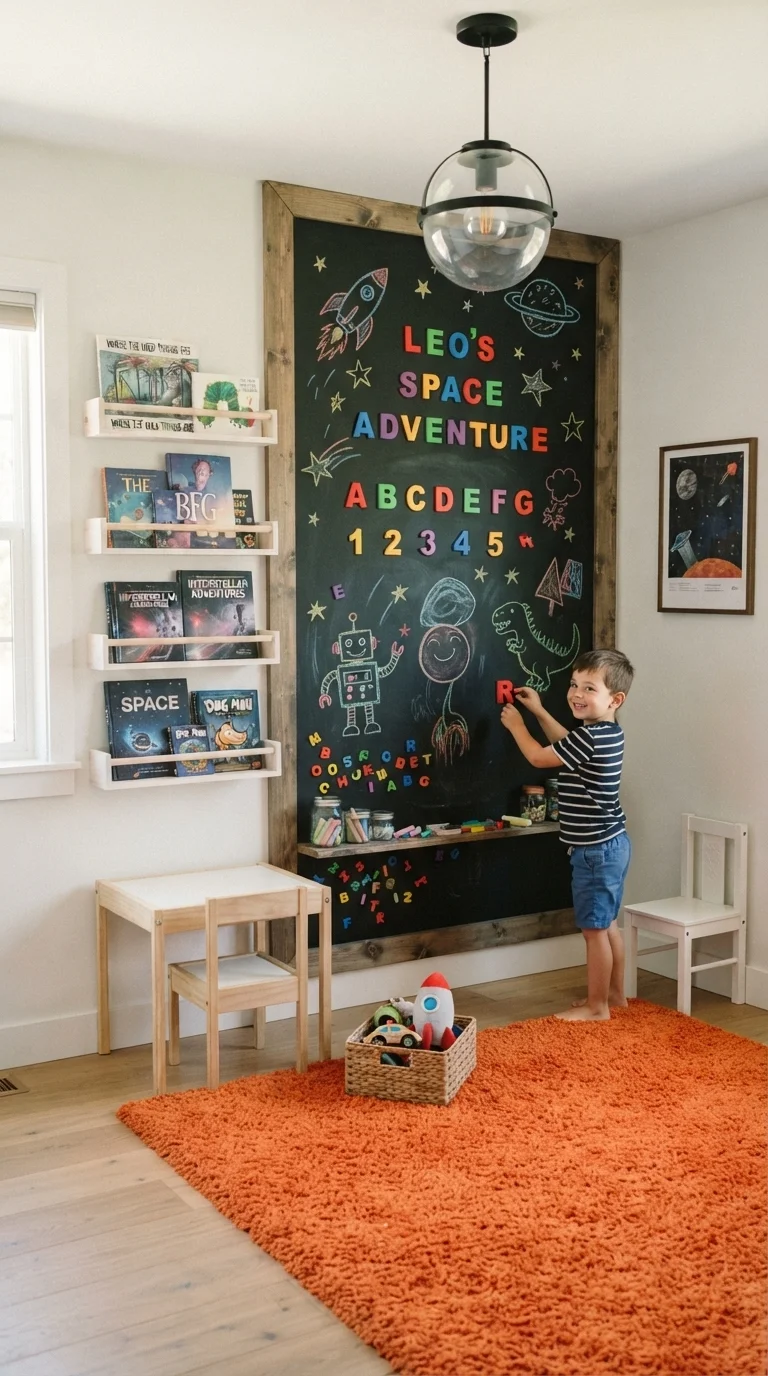
A magnetic chalkboard wall turns a functional surface into a creative outlet. It serves as an interactive focal point where your child can display artwork, notes, or school projects. Surround this wall with floating shelves to store books and small collectibles, keeping the desk surface clean. The contrast between the dark chalkboard and a vibrant orange rug adds a burst of energy to the room. This design is perfect for younger boys who love hands-on activities and need a space that adapts to their changing interests.
6. Cozy Reading Nook with Canopy
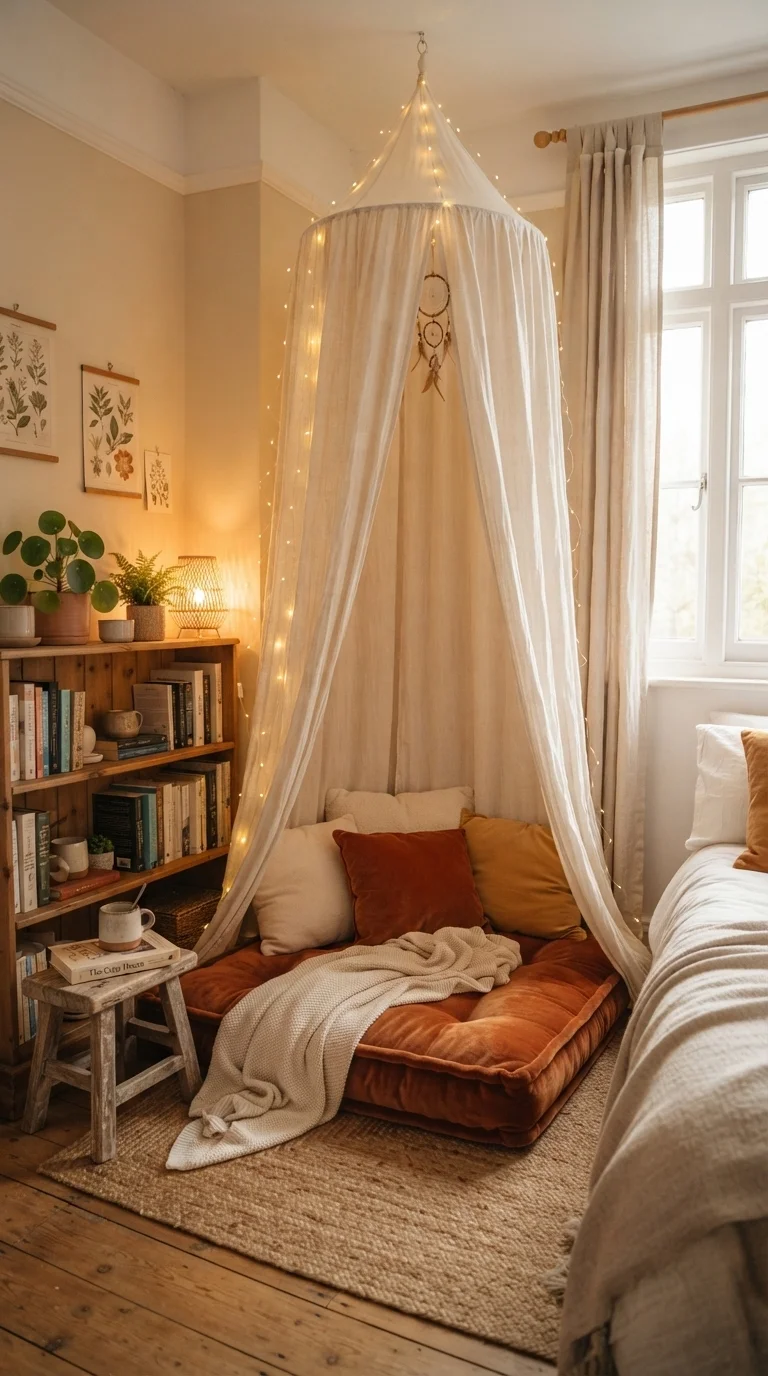
Every bedroom benefits from a dedicated relaxation zone. A fabric canopy in a deep forest green creates a cozy, tent-like environment that encourages reading and quiet time. Place soft velvet cushions underneath and add a string of warm LED lights to make the space feel magical. This corner provides a perfect escape from the digital world. It works exceptionally well in larger rooms where you have extra space to spare. The soft textures provide a nice contrast to the more rigid furniture pieces typically found in boys’ rooms.
7. Floating Storage and Display Shelves
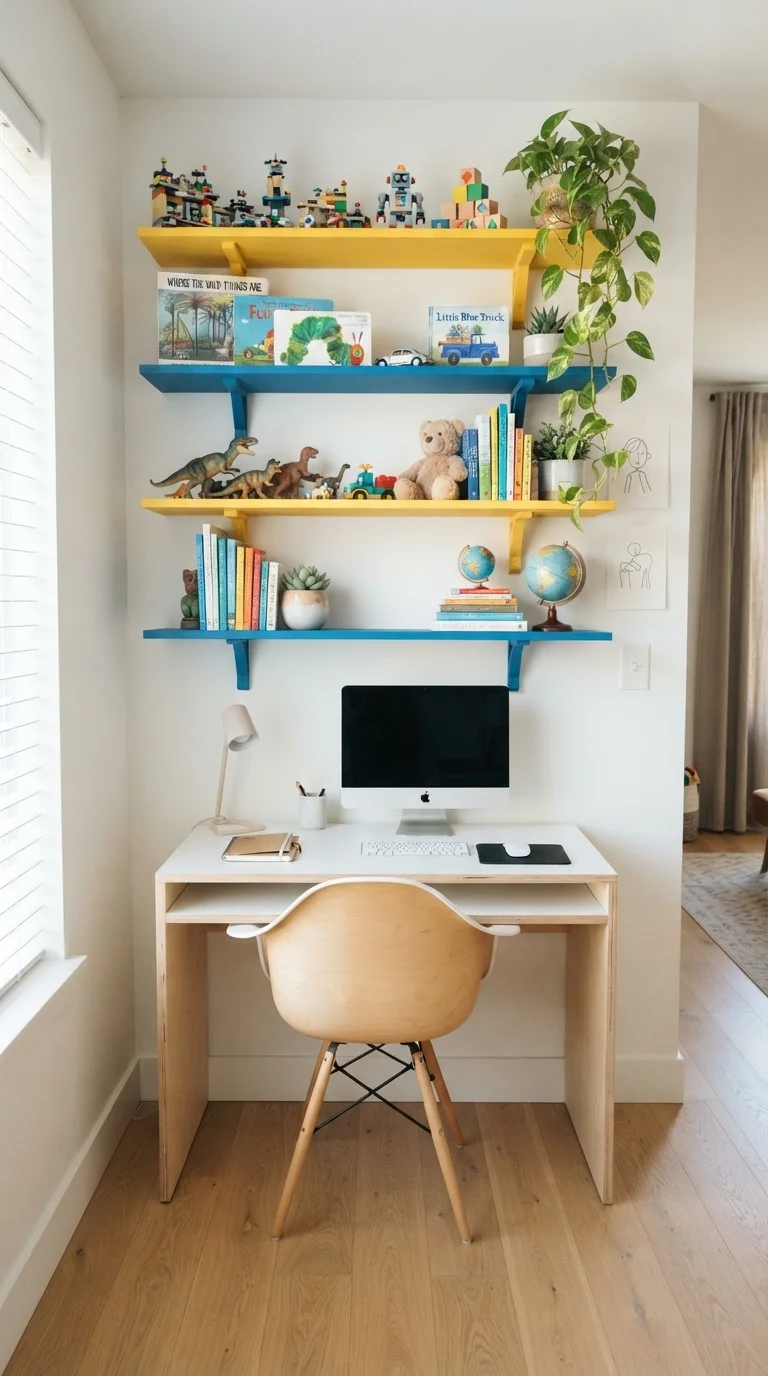
Floating shelves are essential for keeping floor space open while displaying items that reflect your child’s personality. Use a mix of open shelving in bright blue and yellow to create visual interest on a plain wall. By grouping items by color or size, you prevent the display from looking messy. This storage strategy is highly practical for small bedrooms as it utilizes vertical space effectively. It encourages organization while allowing your child to curate their own environment. Keep the most frequently used items at eye level for easy access.
8. Soft Textiles and Layered Rugs
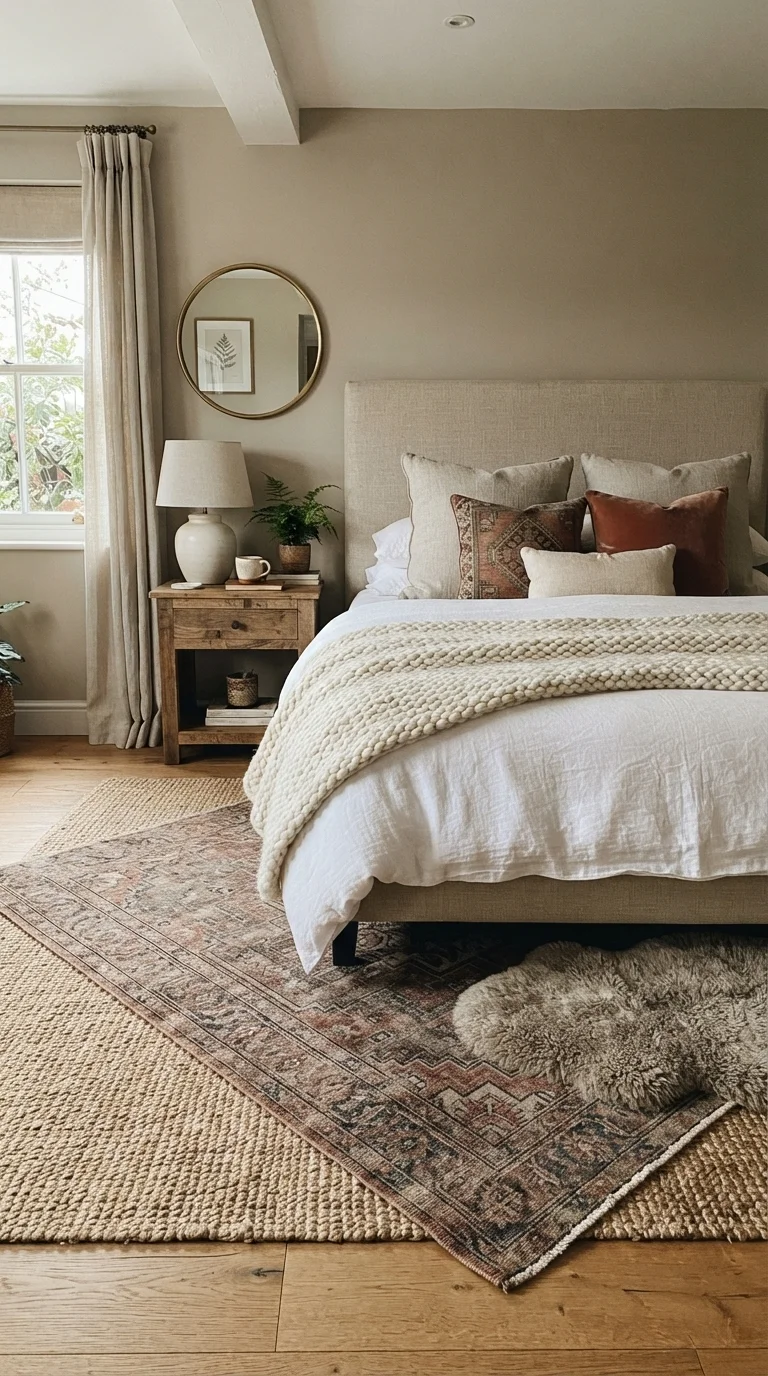
Layering textiles is the easiest way to add warmth and comfort to a bedroom. Start with a large, neutral area rug and layer a smaller, patterned rug on top to define the play area. Use heavy wool blankets and plush pillows to create a bed that feels like a soft landing spot. This approach is particularly effective for hardwood or tile floors, as it adds necessary sound absorption and physical warmth. The tactile experience of the room is just as important as the visual aesthetic, especially for a space meant for rest.
9. Smart Lighting and Task Stations
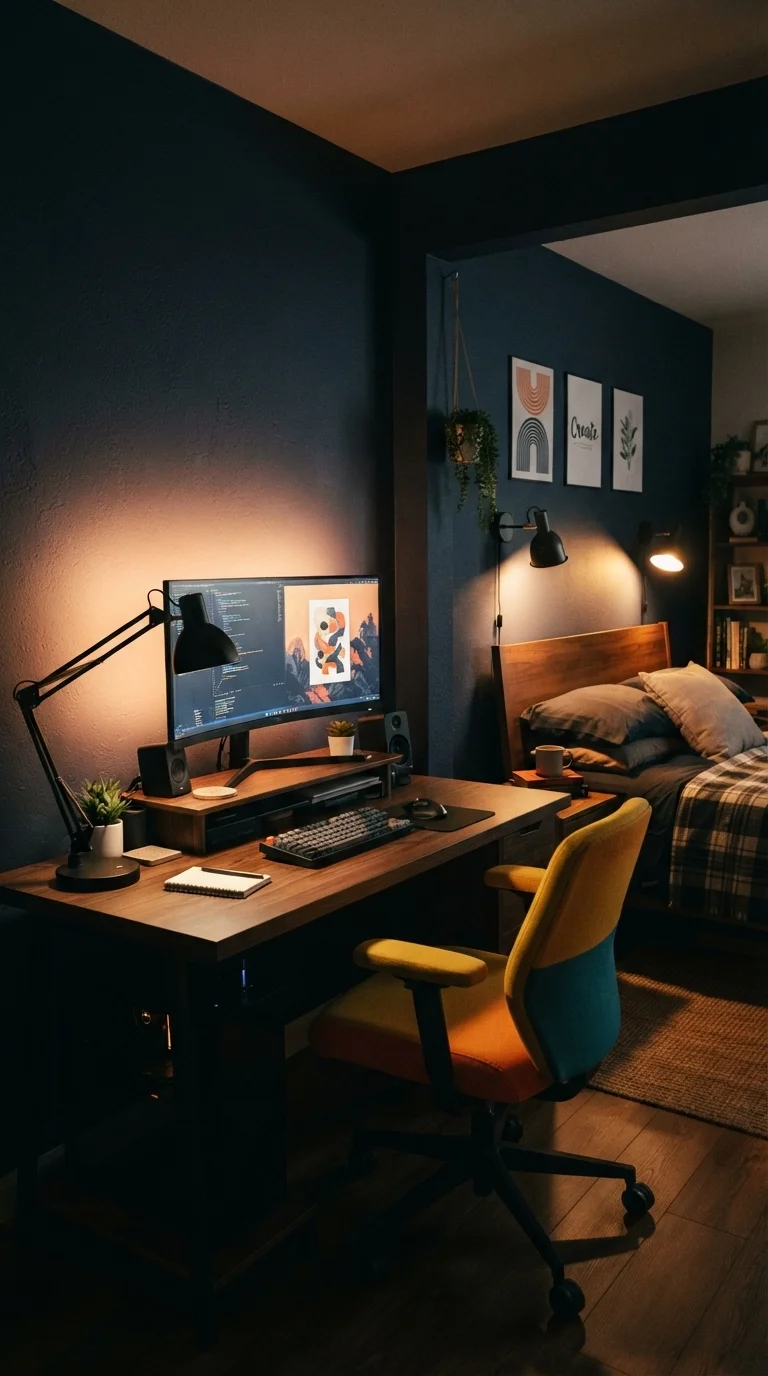
Lighting is the most overlooked element in bedroom design. Layering your light—using a desk lamp for study, sconces for reading, and overhead lights for general visibility—is crucial for functionality. Incorporating smart LED strips behind a desk or headboard allows the mood of the room to change instantly. Choose lamps with flexible arms so your child can direct light exactly where they need it for homework or hobbies. This investment in quality lighting improves the utility of the room and highlights the design choices you have made throughout the space.