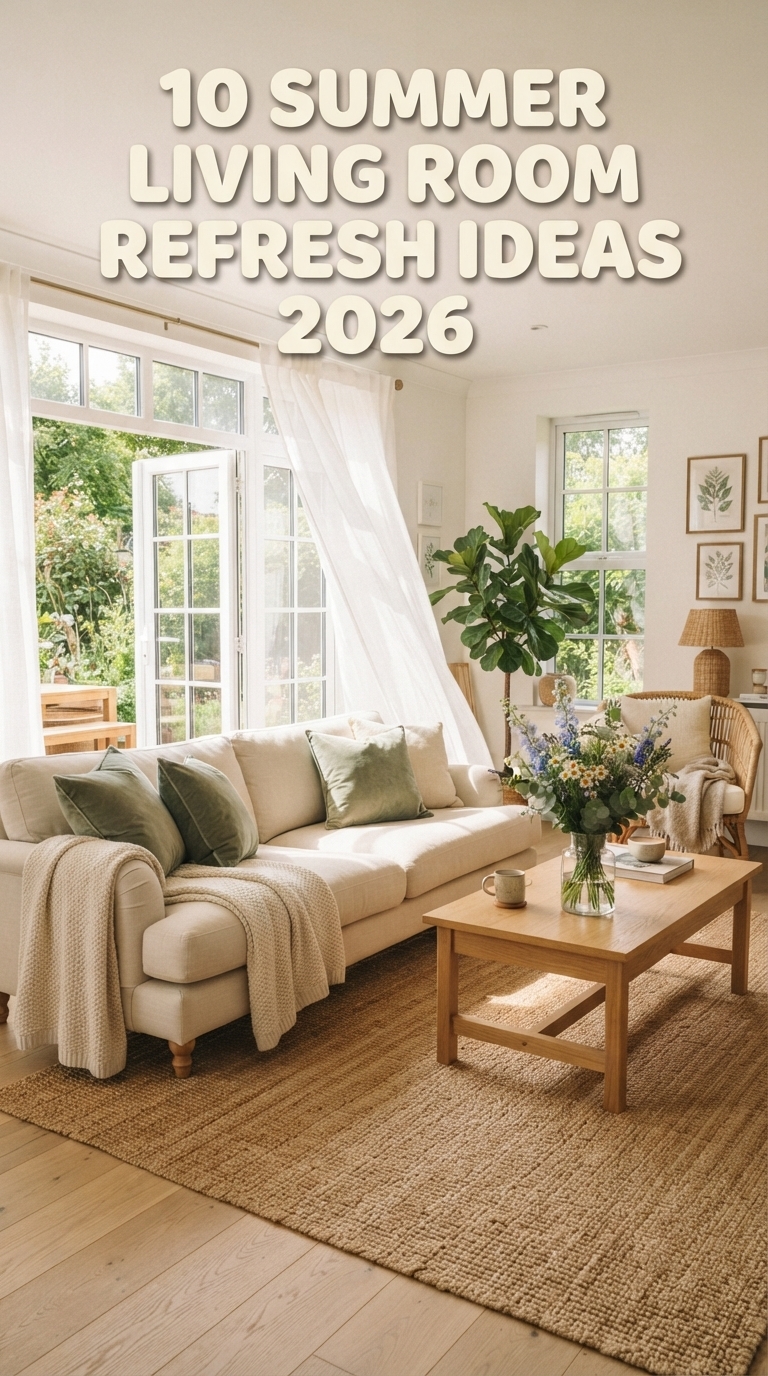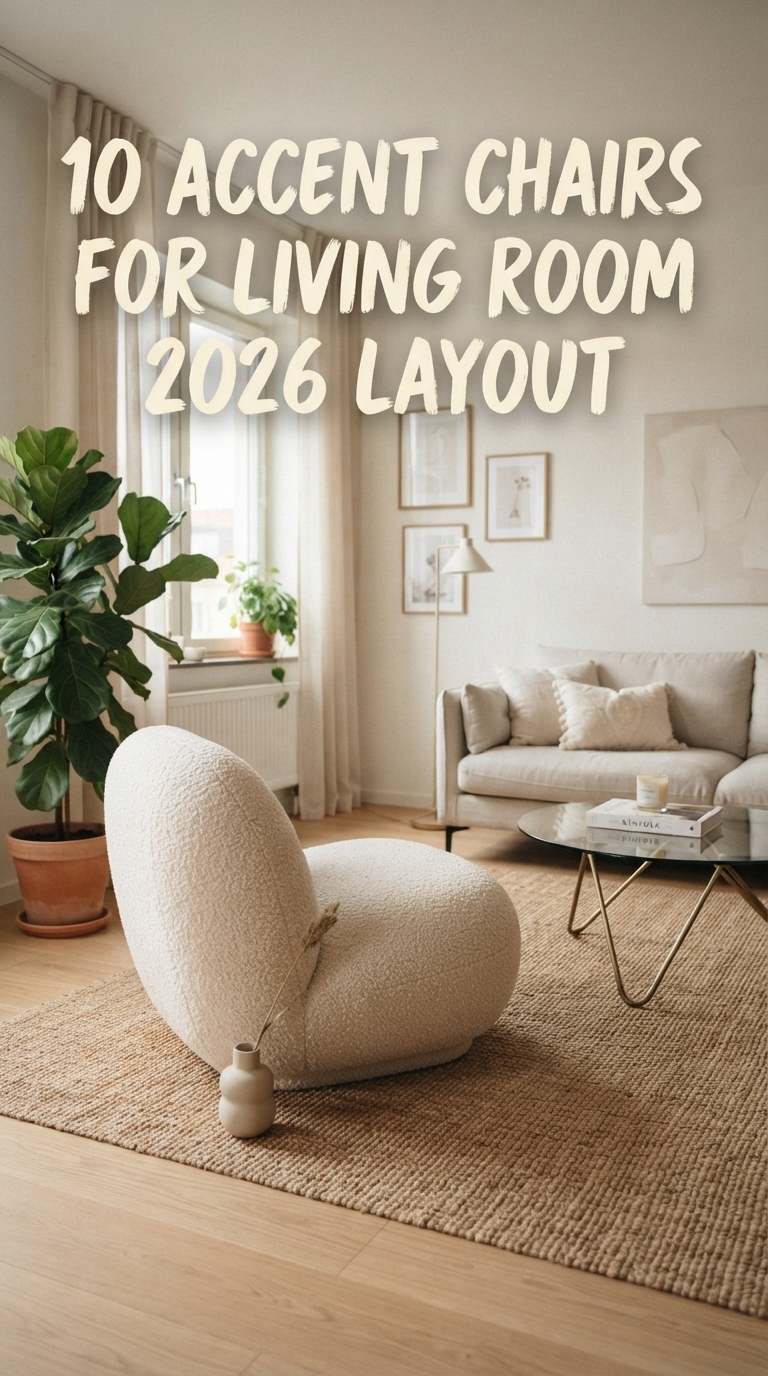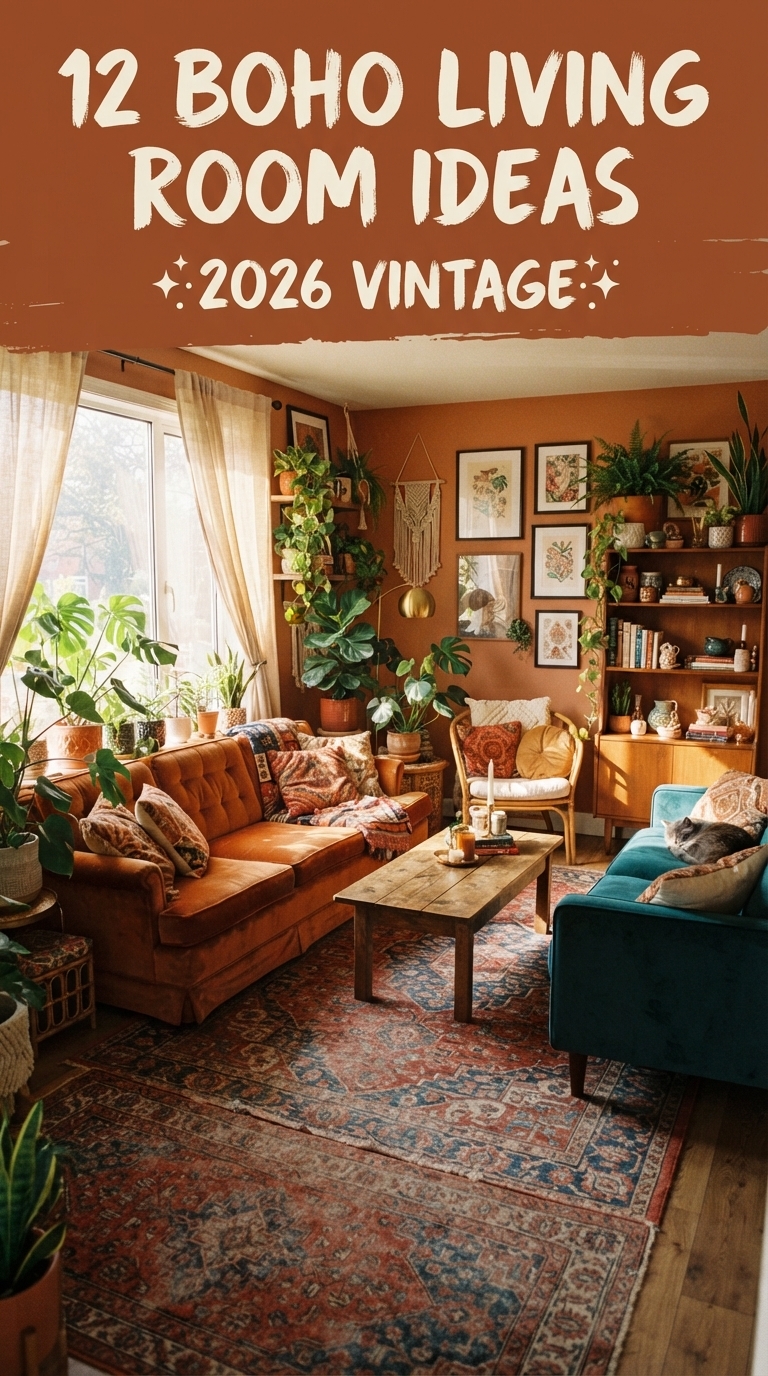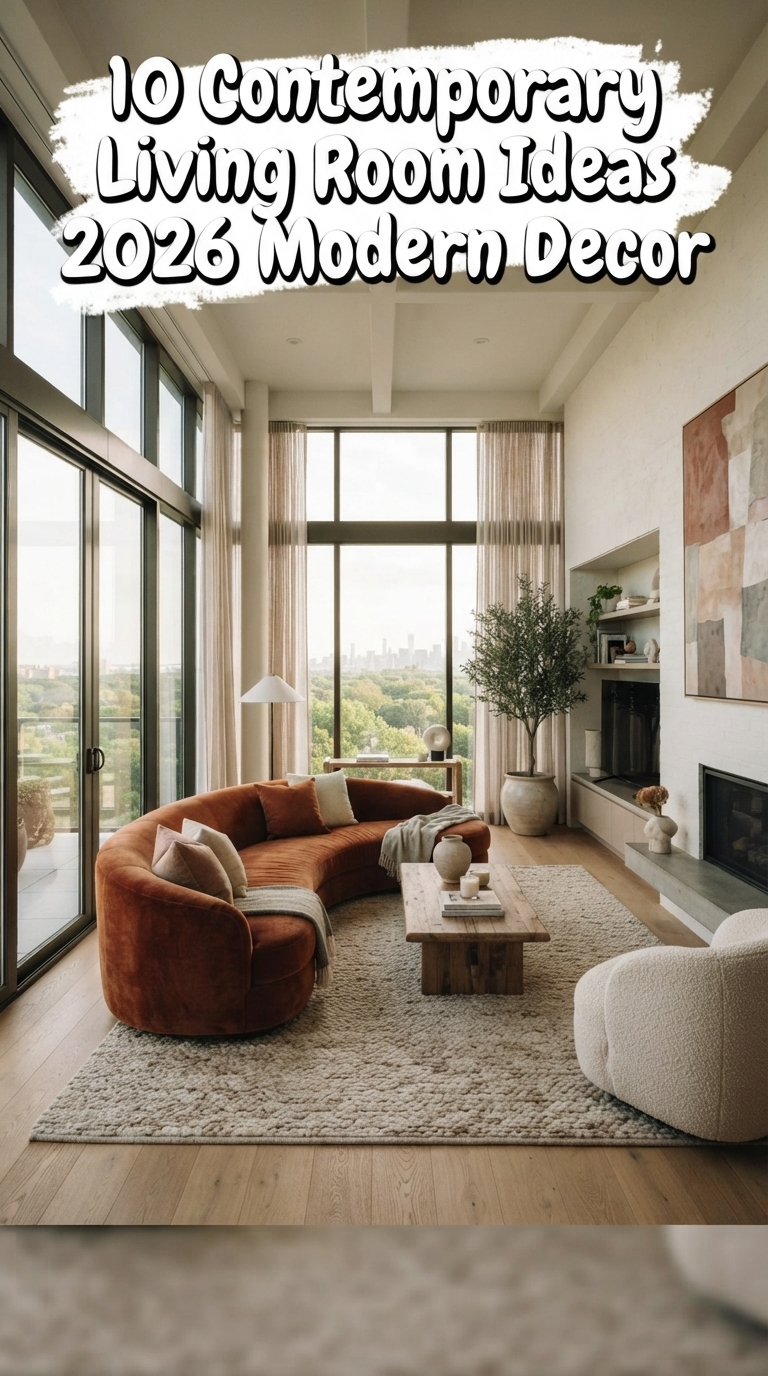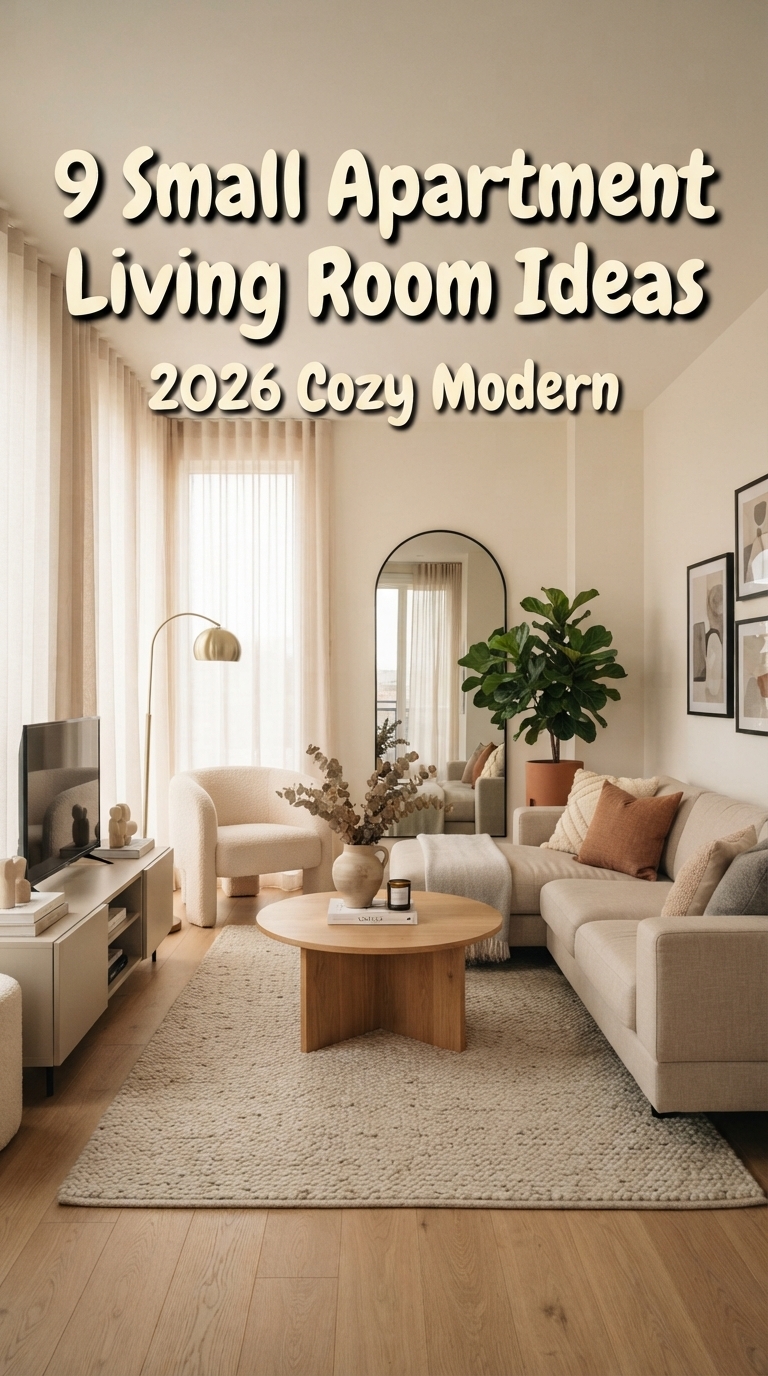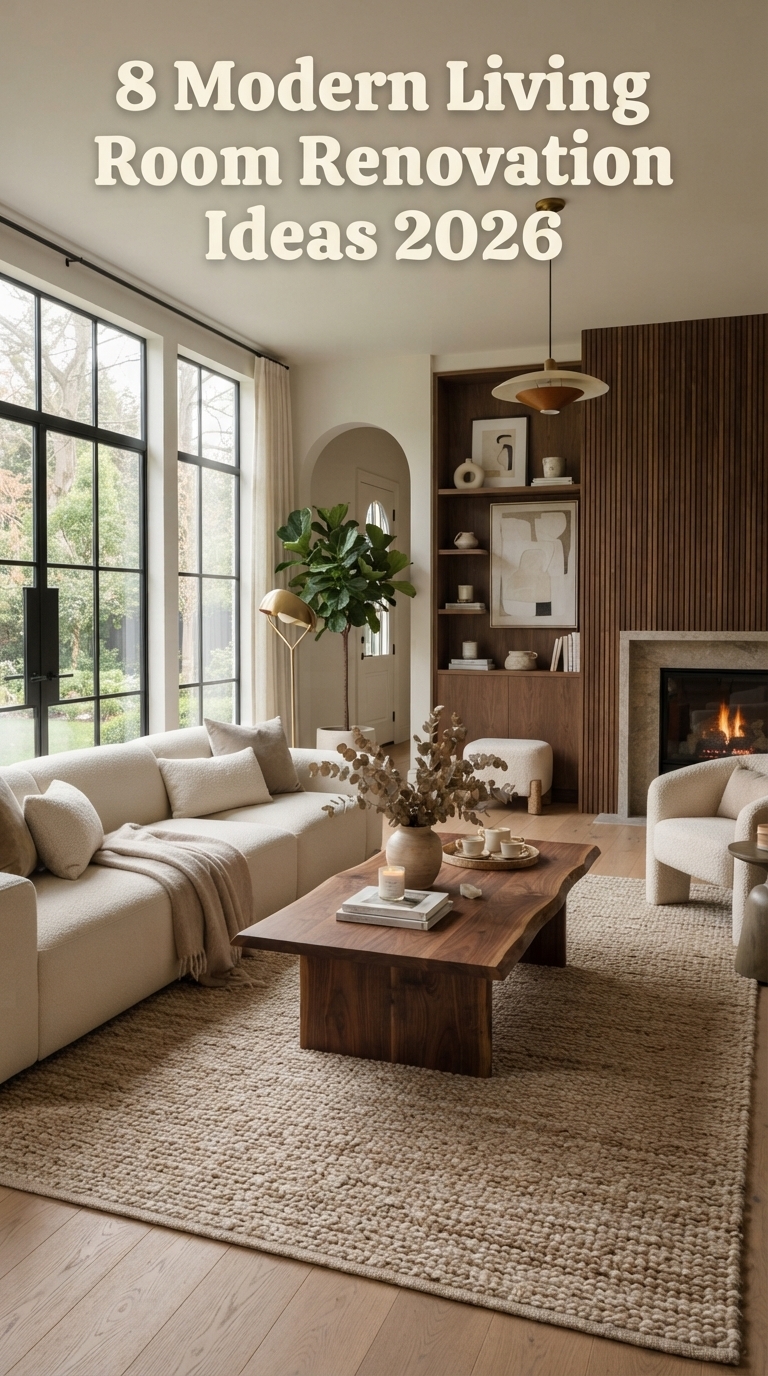
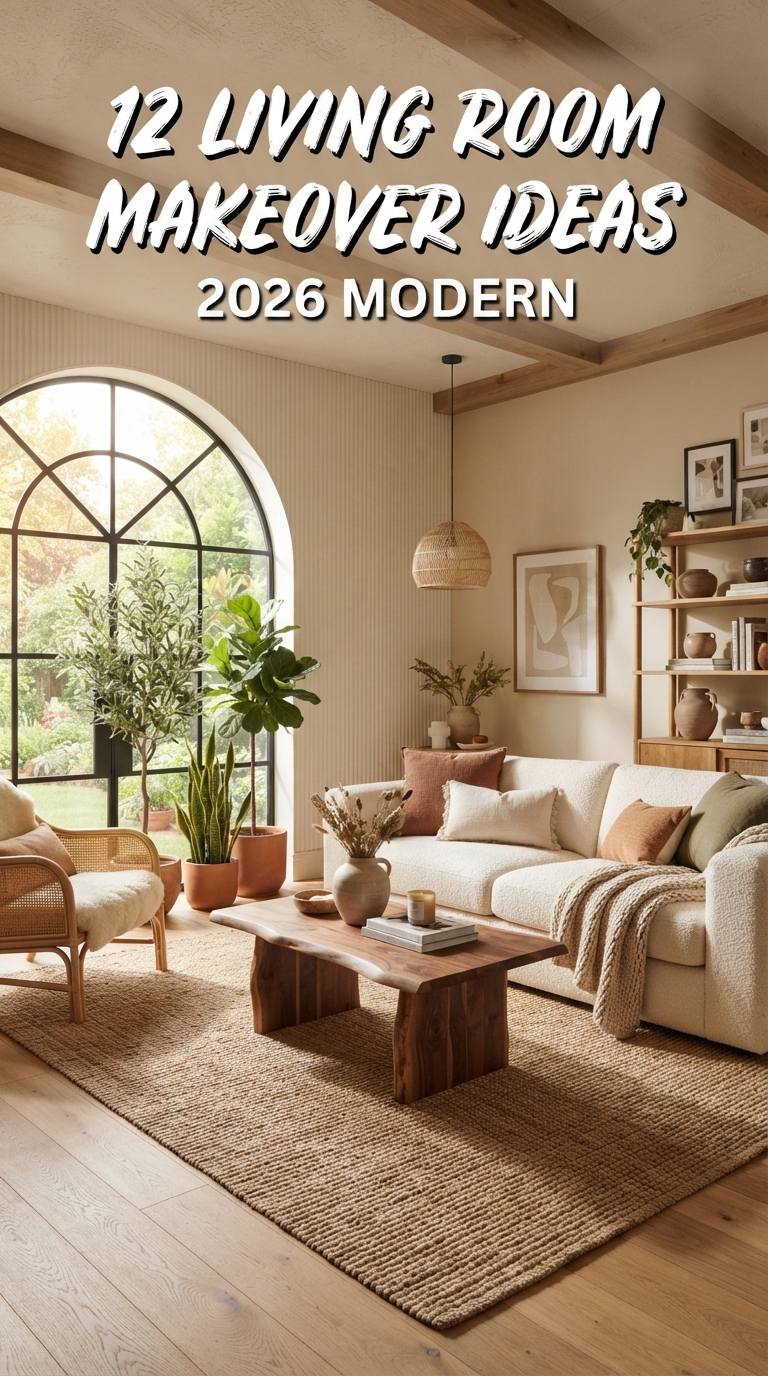
Refreshing your living room for 2026 is about balancing high-end comfort with intentional, soul-warming design. We are moving away from sterile, showroom-perfect spaces toward rooms that feel lived-in, layered, and deeply personal. This year, the focus shifts to tactile materials, sculptural silhouettes, and lighting that prioritizes mood over visibility. Whether you want to rework your existing layout or start fresh with a new color palette, these twelve ideas provide the blueprint for a modern, inviting home. Let us walk through these design concepts to help you create a space that feels like a true sanctuary for relaxation and connection.
1. Embracing Organic Modernism with Natural Textures
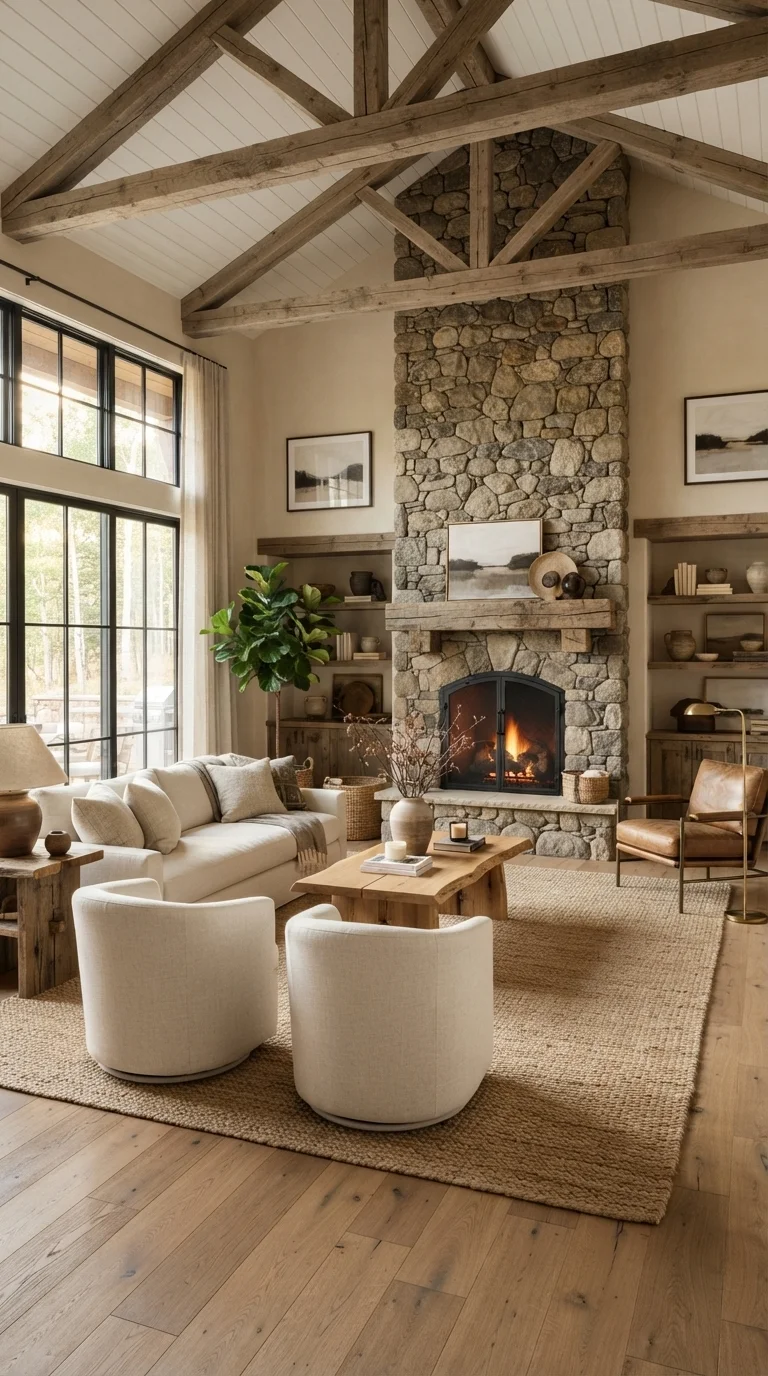
Organic modernism is the foundation of 2026 design. By mixing raw stone, warm woods, and breathable linen, you create a room that feels connected to the earth. This style thrives on imperfection; think handmade ceramics and woven baskets that soften the sharp lines of modern architecture. Layering these natural textures prevents a neutral space from feeling flat or clinical. When selecting modern wood living room table ideas, look for live-edge pieces or solid oak that showcases natural grain patterns to anchor the room’s organic flow.
2. Sculptural Furniture as Functional Art
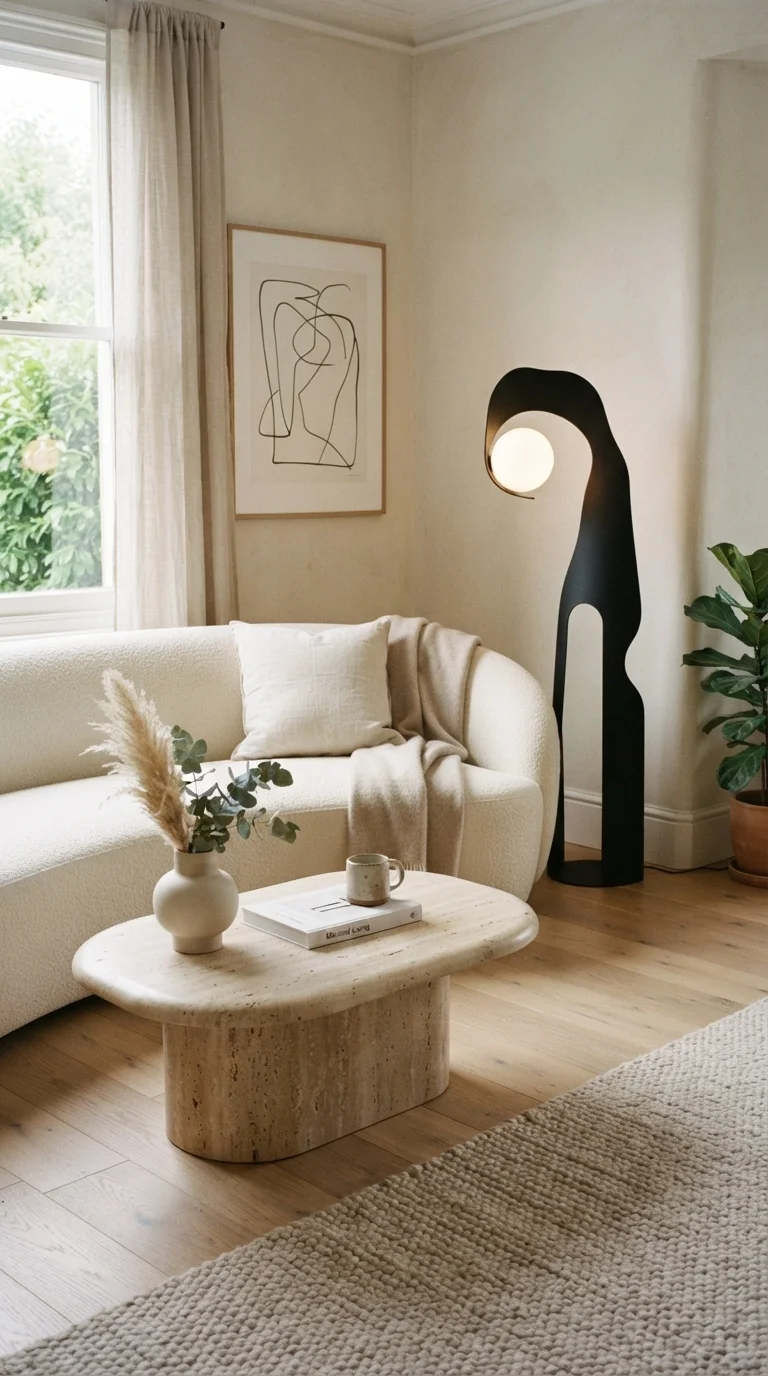
In 2026, furniture does more than provide seating; it acts as a sculptural statement. Move away from rigid, boxy shapes toward pieces with soft curves and organic silhouettes. A curved sofa can break up the hard lines of a rectangular room, encouraging better conversation flow. Pair these items with low-profile accent chairs that feel more like art installations than traditional seating. This approach keeps the visual weight low, making the room feel larger while maintaining a sophisticated, intentional aesthetic that prioritizes form alongside function.
3. The Rise of Earthy Terracotta and Clay Tones
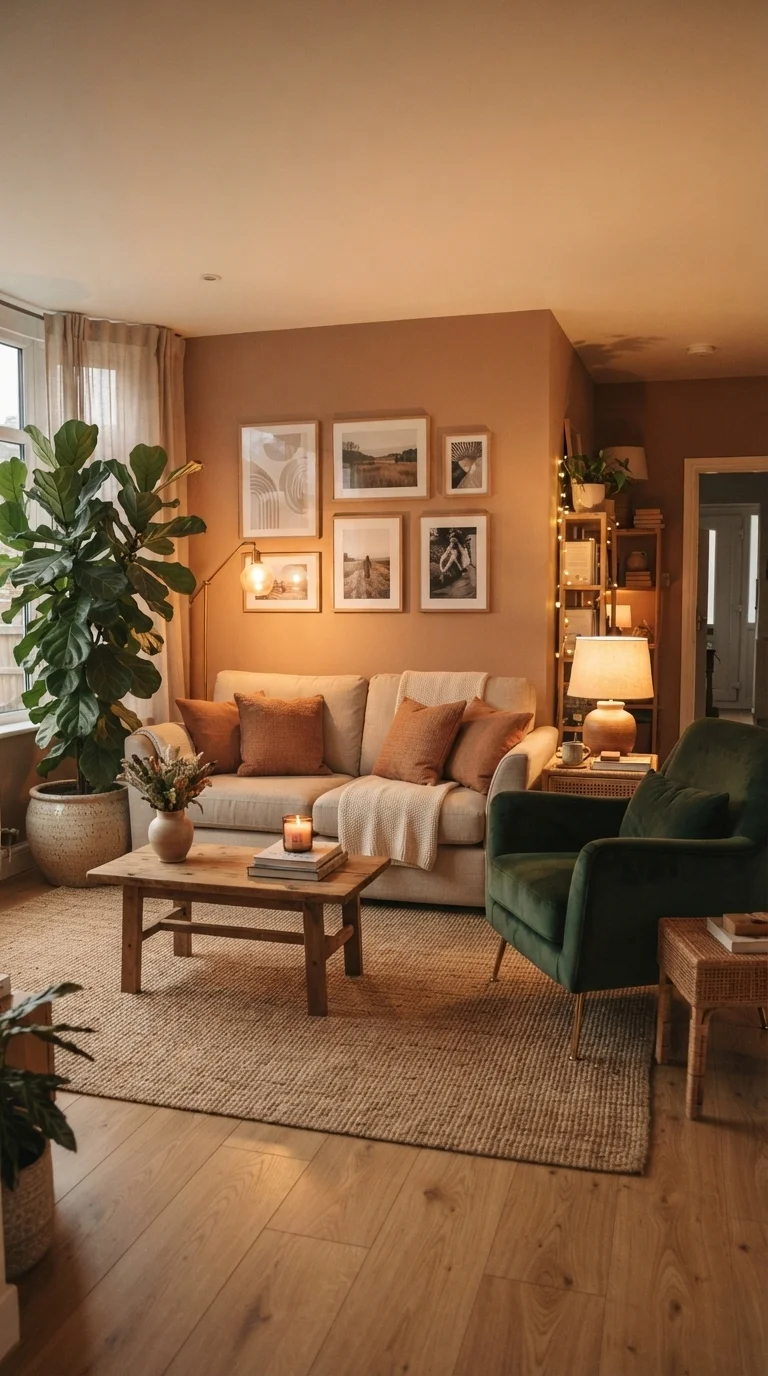
Color trends are shifting toward warm, grounding earth tones. Terracotta, clay, and muted ochre bring an inherent coziness that cool-toned grays cannot match. These shades work beautifully as wall colors or through soft furnishings like velvet pillows and wool rugs. They create a cocooning effect, making the living room feel intimate and inviting during the evening. When using these saturated colors, balance them with neutral creams or off-whites to ensure the room remains airy and doesn’t feel overly dark or enclosed.
4. Multi-Layered Lighting for Mood Control
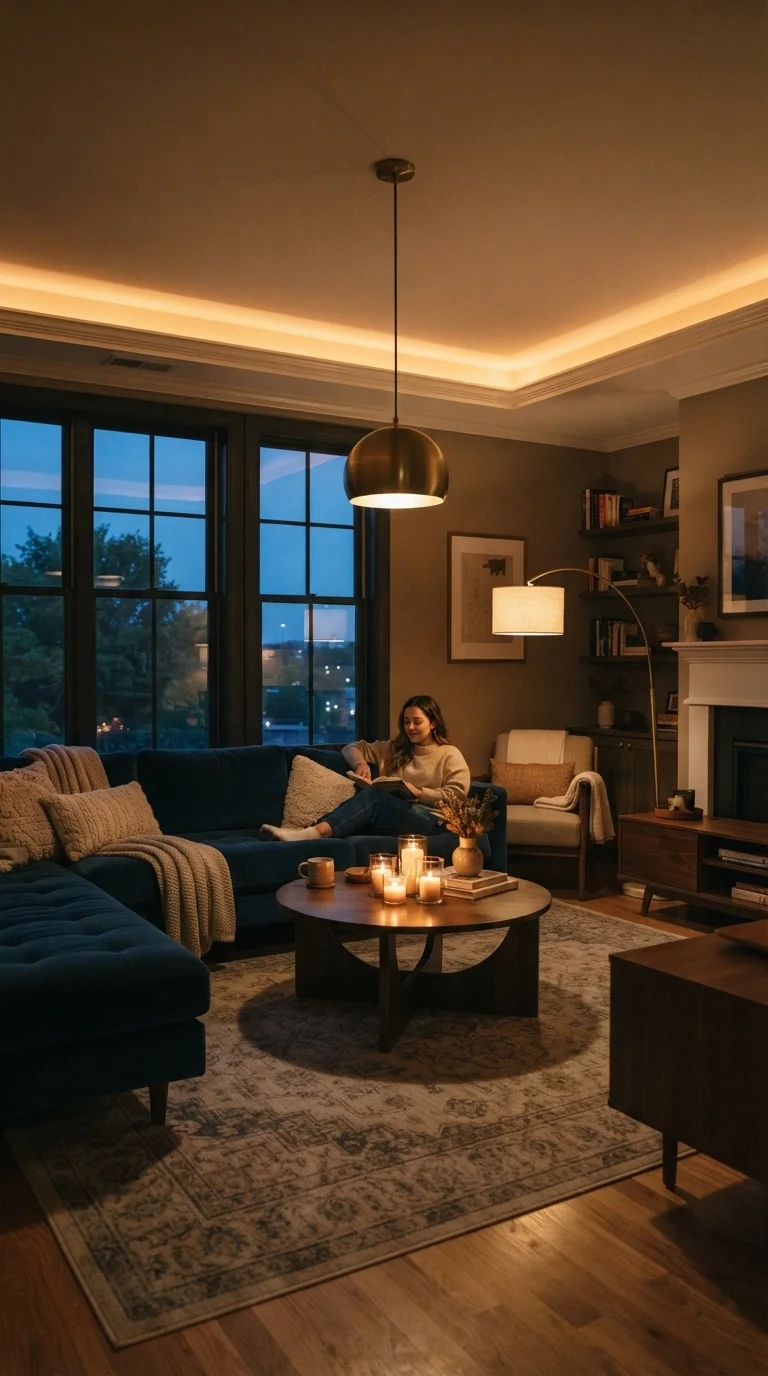
Overhead lighting is rarely enough to create a cozy atmosphere. A successful 2026 living room relies on multiple light sources at varying heights. Combine floor lamps with warm-toned table lamps and dimmable wall sconces to create depth. Hidden LED strips behind shelves or beneath floating cabinets add a modern, architectural touch that highlights decor without creating harsh glare. This layered strategy allows you to transition the room from a bright, functional daytime space to a soft, moody retreat for evening relaxation.
5. Maximizing Verticality with Floor-to-Ceiling Shelving
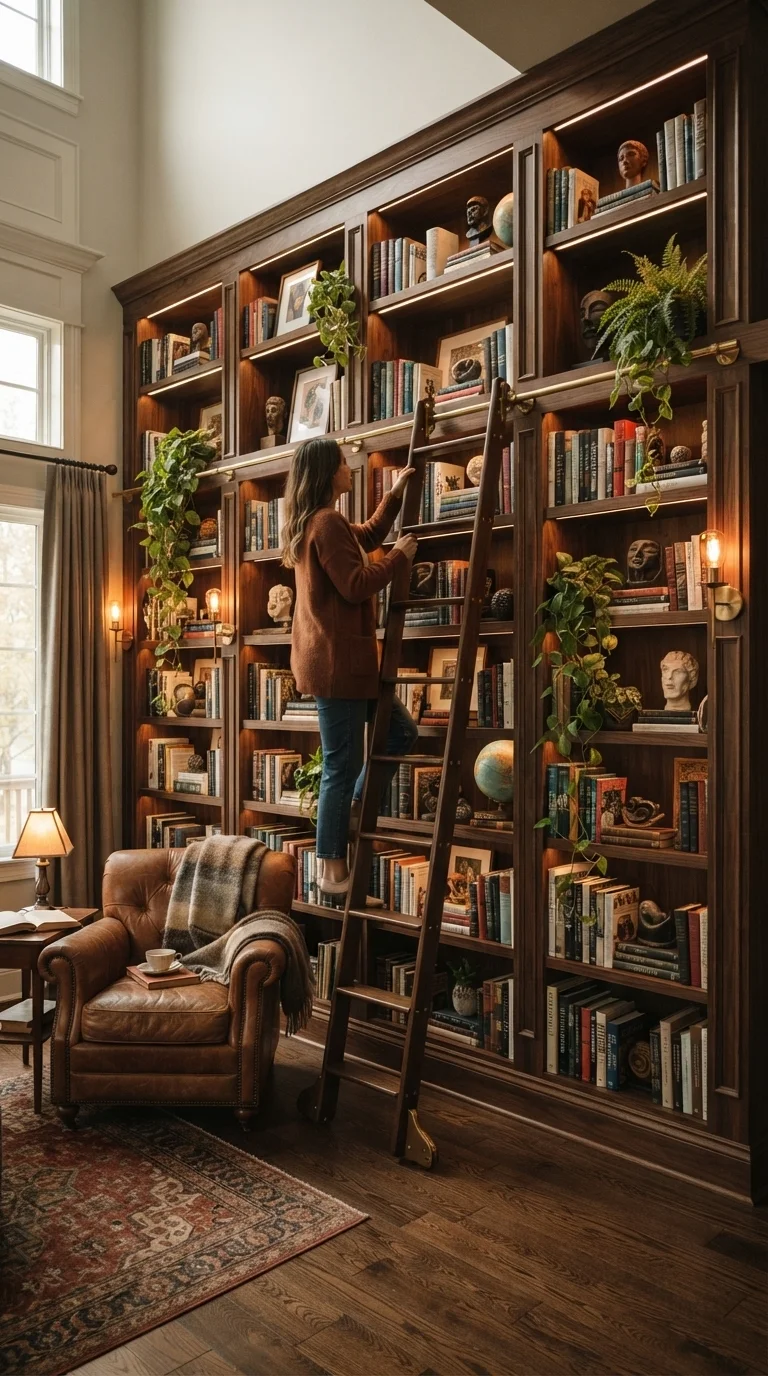
Storage is a major challenge in modern homes, but built-in shelving offers a solution that doubles as a design feature. By taking your bookshelves to the ceiling, you draw the eye upward and emphasize the room’s height. This creates a library-like feel that adds character and warmth. Use a mix of open display for books and closed cabinetry for hidden storage to keep the room clutter-free. Styling these shelves with a mix of personal mementos and greenery ensures the room feels like a home rather than a catalog display.
6. The Return of Vintage-Inspired Statement Rugs
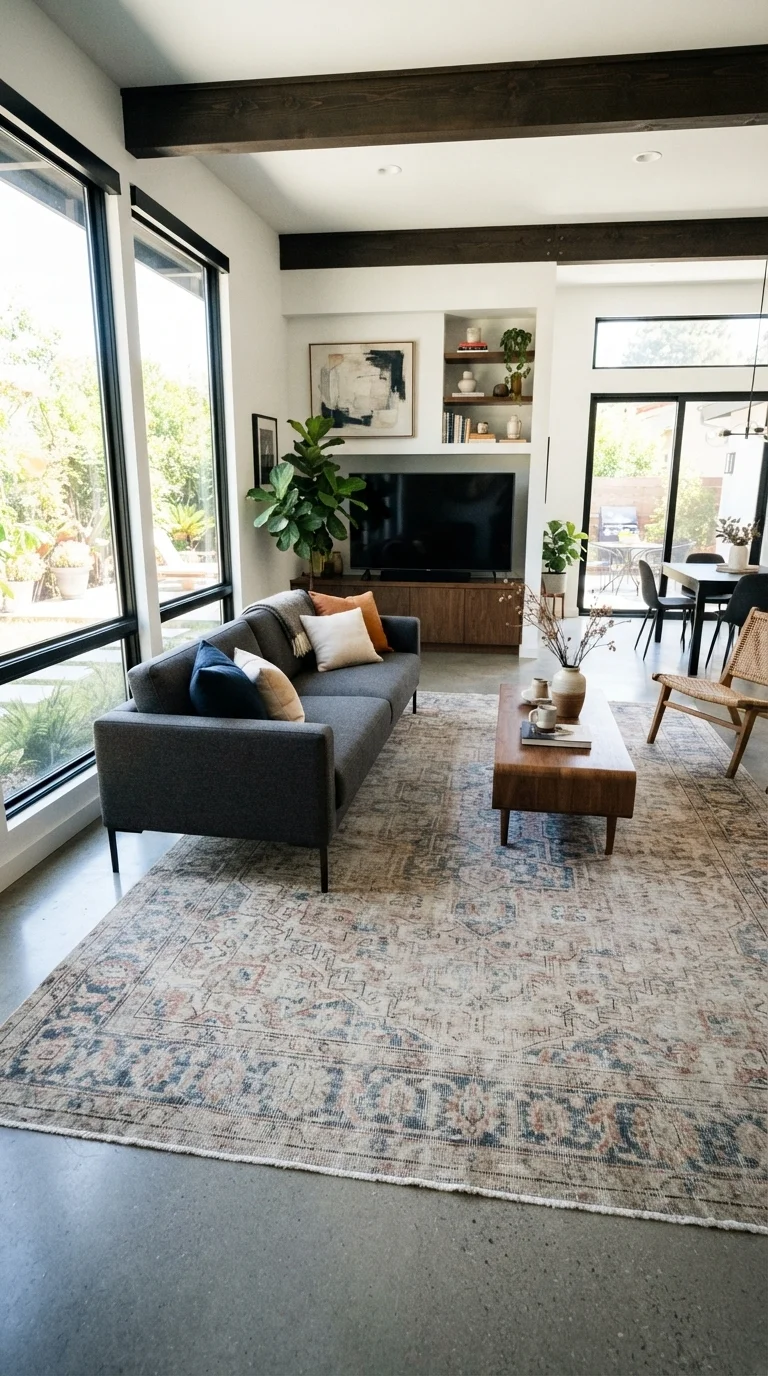
Modern interiors often lean toward minimalism, which can sometimes feel empty. A vintage-inspired rug acts as an anchor, injecting history and pattern into a contemporary space. These rugs provide a soft foundation that hides wear and adds a layer of comfort underfoot. Choose patterns with faded, muted colors to ensure they complement modern furniture rather than fighting for attention. The contrast between a sleek, contemporary sofa and a worn, traditional rug is a hallmark of balanced, high-end interior design.
7. Biophilic Design Through Oversized Greenery
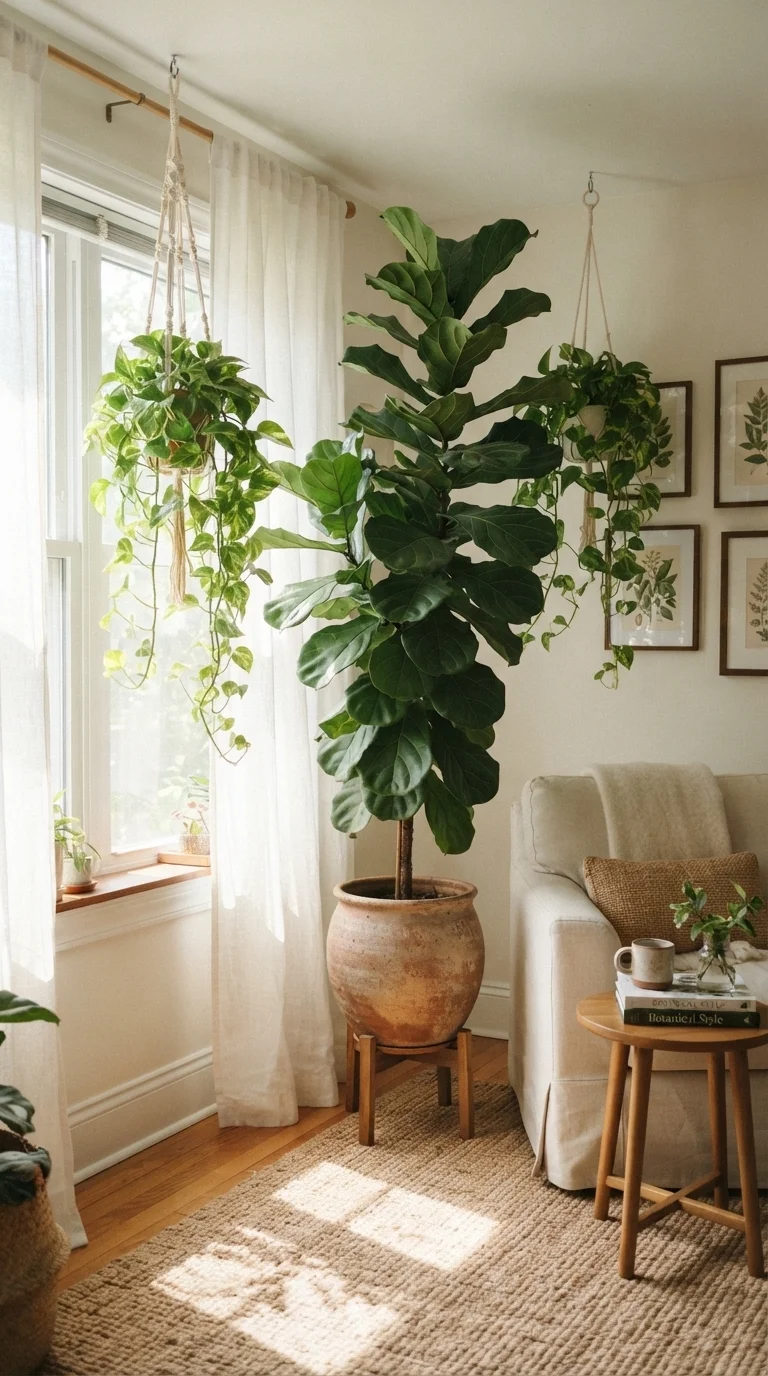
Bringing the outdoors in remains a priority for modern living. Rather than filling a room with many small plants, choose one or two oversized specimens to act as natural sculptures. A large tree can soften a corner and improve air quality while adding a vibrant pop of color. Pair these plants with textured pots made of clay, stone, or woven seagrass to maintain the organic theme. This biophilic approach reduces stress and creates a fresh, lively atmosphere that feels vibrant throughout the year.
8. Modular Layouts for Flexible Living
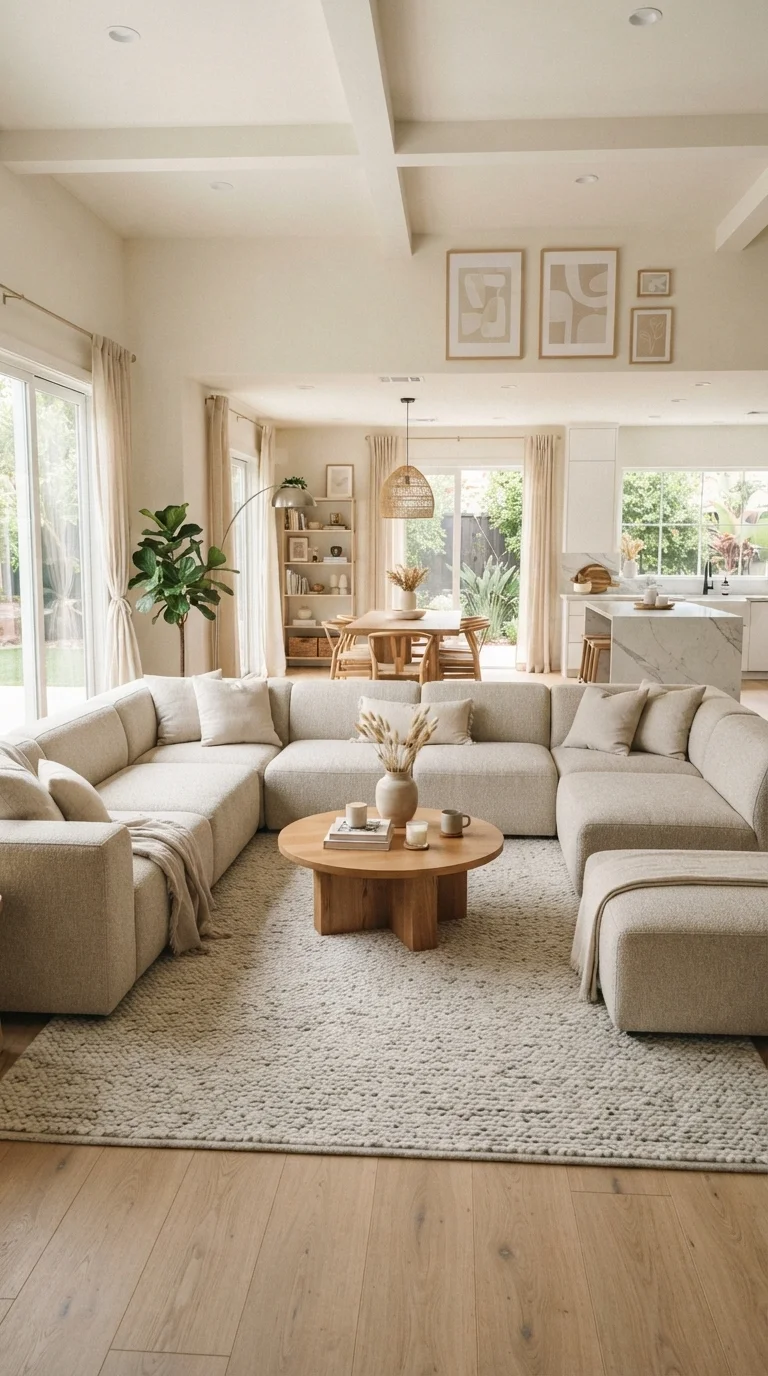
Modern living requires versatility. Modular furniture allows you to change your room’s layout based on your needs, whether you are hosting a large group or relaxing solo. These pieces are perfect for open-concept homes where the living area needs to serve multiple functions. By keeping your primary furniture pieces modular, you gain the ability to refresh the room’s flow without buying new items. This flexibility is a practical investment for homeowners who appreciate a dynamic space that evolves with their lifestyle.
9. Minimalist Gallery Walls for Personal Storytelling
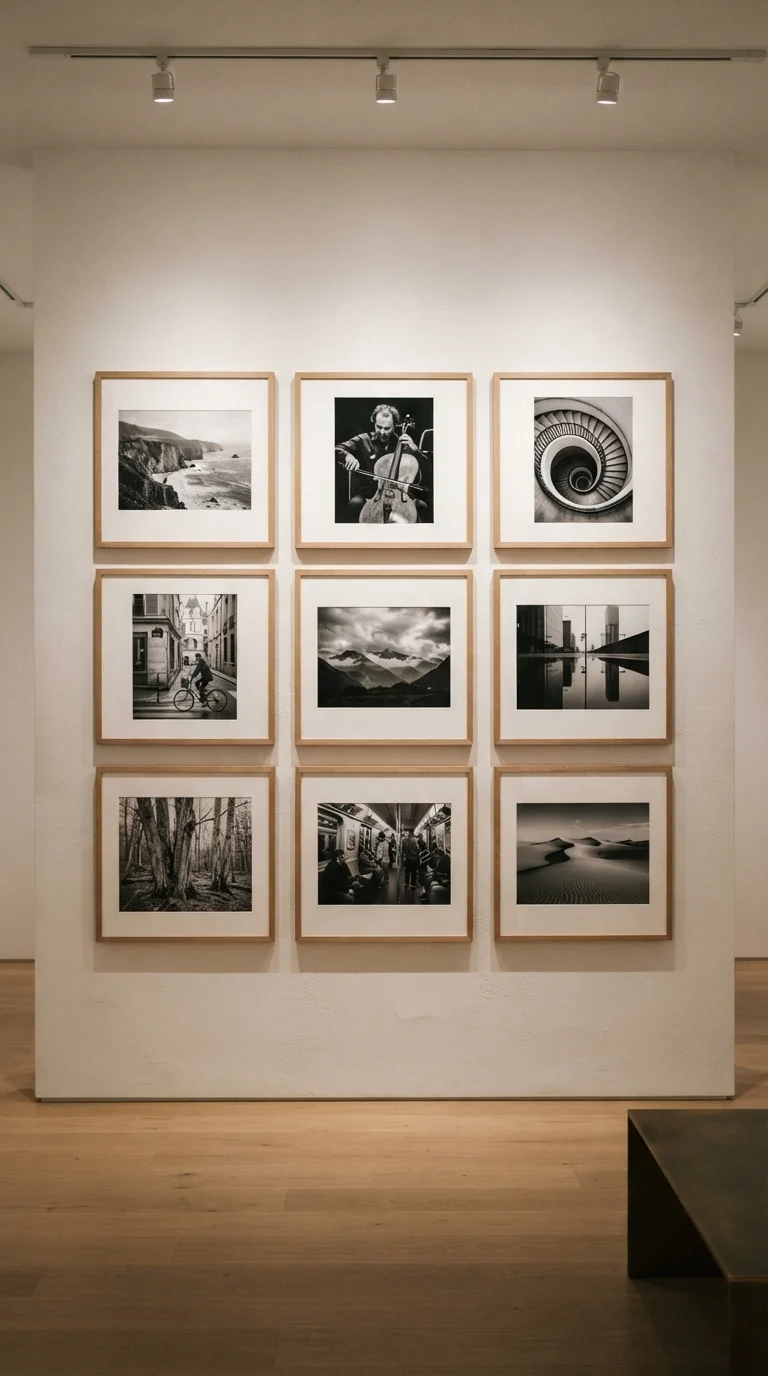
Gallery walls are evolving away from eclectic chaos toward curated, minimalist displays. Use matching frames in a uniform finish to create a clean, sophisticated look that showcases your favorite photography or art. A symmetrical grid arrangement works well in modern spaces, providing order and visual interest without adding clutter. This is a simple way to personalize your living room. By focusing on a cohesive theme—like black and white prints—you ensure the wall art enhances the room’s design rather than distracting from it.
10. Hidden Tech and Cable Management Solutions
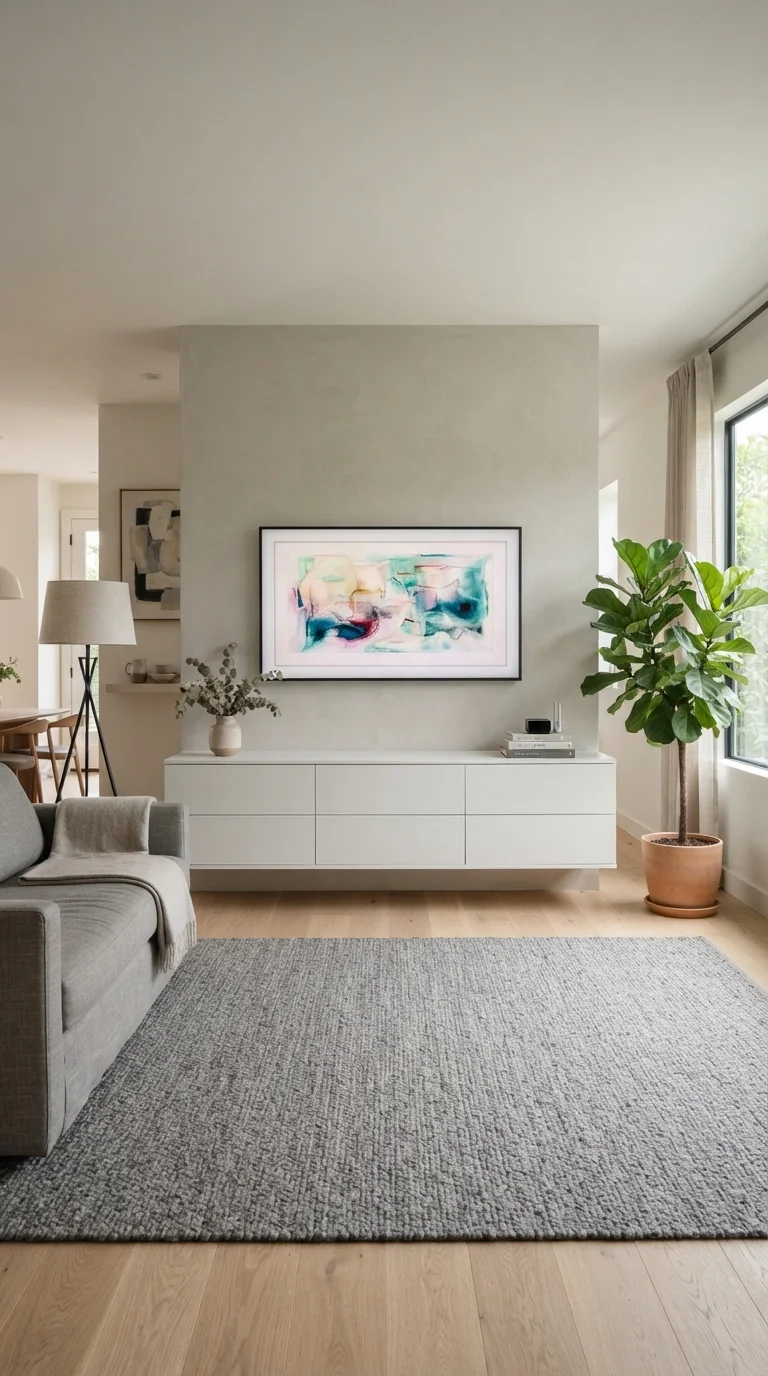
Visible wires and bulky tech components can ruin the aesthetic of an otherwise beautiful room. 2026 design emphasizes ‘invisible’ technology. Use media consoles with integrated cable management or hide electronics behind cabinet doors. If you have a wall-mounted TV, use cord covers painted to match your wall color. This focus on clean lines allows your decor, art, and furniture to take center stage. When the technology disappears, the living room regains its primary purpose as a space for relaxation and social interaction.
11. High-Contrast Accents in Neutral Spaces
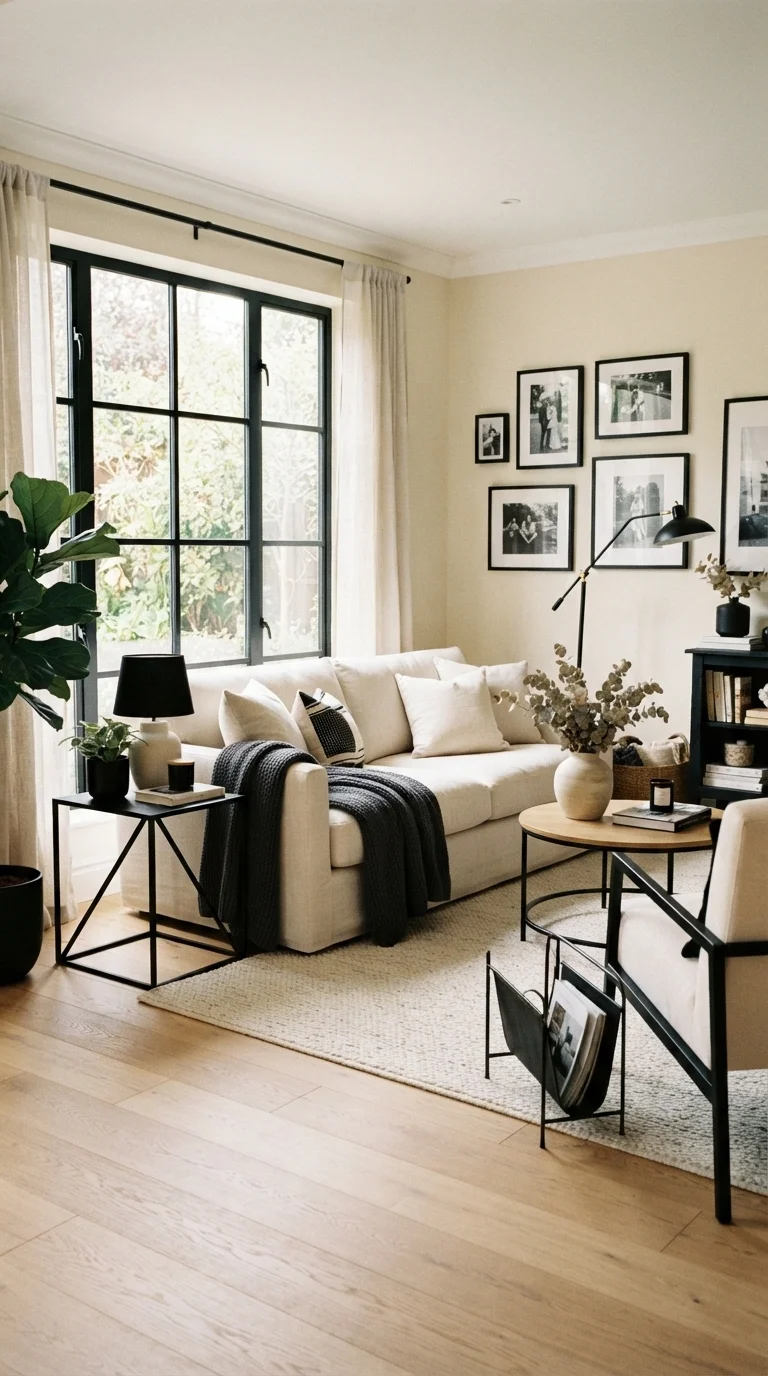
A neutral palette is calming, but it needs contrast to feel finished. Incorporating sharp, black accents prevents a cream or beige room from feeling washed out. Think black metal hardware, a charcoal throw, or a dark frame around a large mirror. These high-contrast elements add depth and a modern edge to the space. Keep these accents intentional and sparse to maintain the room’s balance. This technique adds a sophisticated, graphic quality that makes the room feel curated and professional.
12. The Cozy Reading Nook Integration
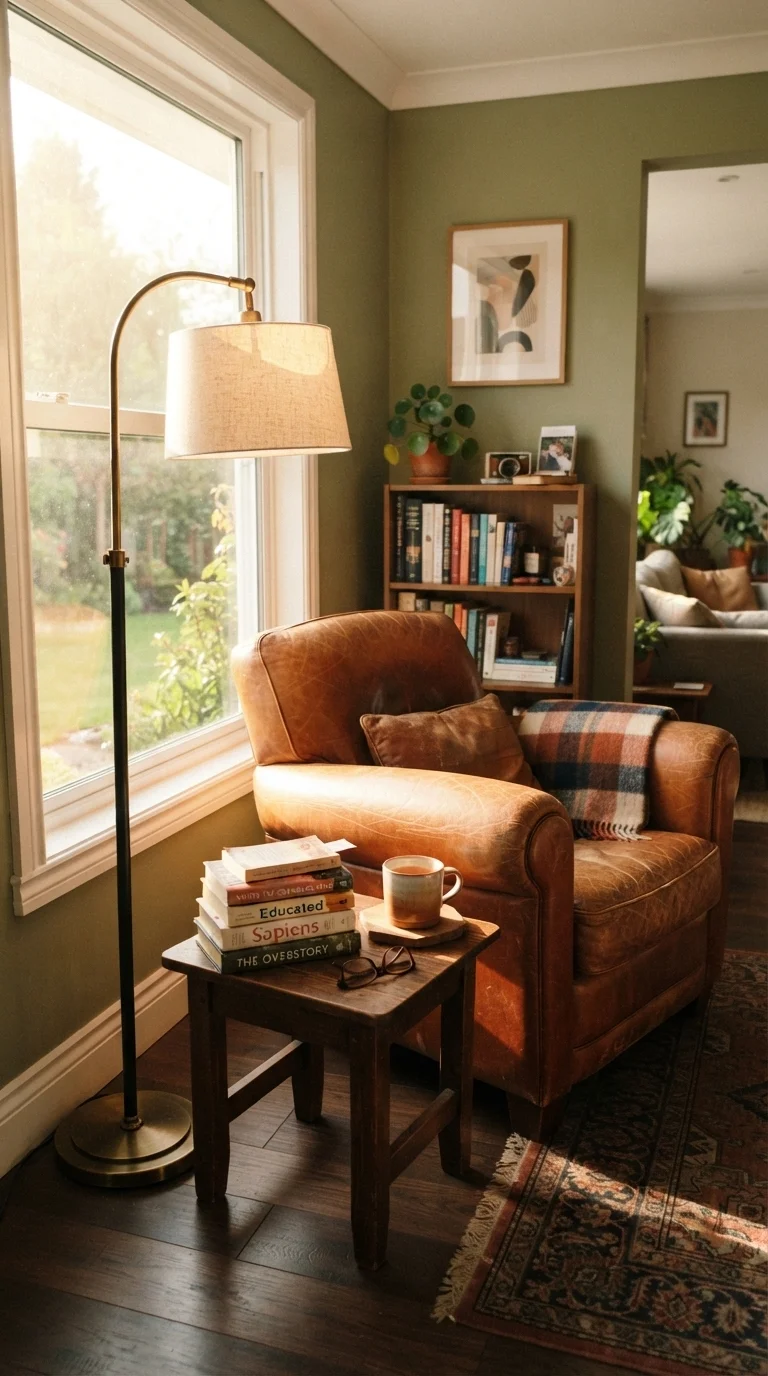
Even in a busy living room, you can carve out a quiet space for yourself. A reading nook requires only a comfortable chair, a focused light source, and a small surface for a coffee mug. Placing this in an unused corner utilizes dead space effectively. It invites you to slow down and disconnect from screens. By adding a soft throw blanket and a small bookshelf nearby, you create a functional, cozy retreat that adds significant value to your daily home life.