Refreshing a small kids’ room requires a blend of clever storage and imaginative design that grows alongside them. As we look toward 2026, the focus shifts from permanent themes to flexible, modular spaces that prioritize comfort and play. Whether you are working with a tight bedroom footprint or looking to maximize vertical space, these DIY-friendly ideas offer professional results without a massive budget. From lofted sleeping areas to hidden floor storage, we have curated the best ways to transform your child’s room into a sanctuary for both rest and creativity. Let’s dive into these practical, stylish updates that make the most of every square inch.
1. Floating Loft Beds for Vertical Floor Space
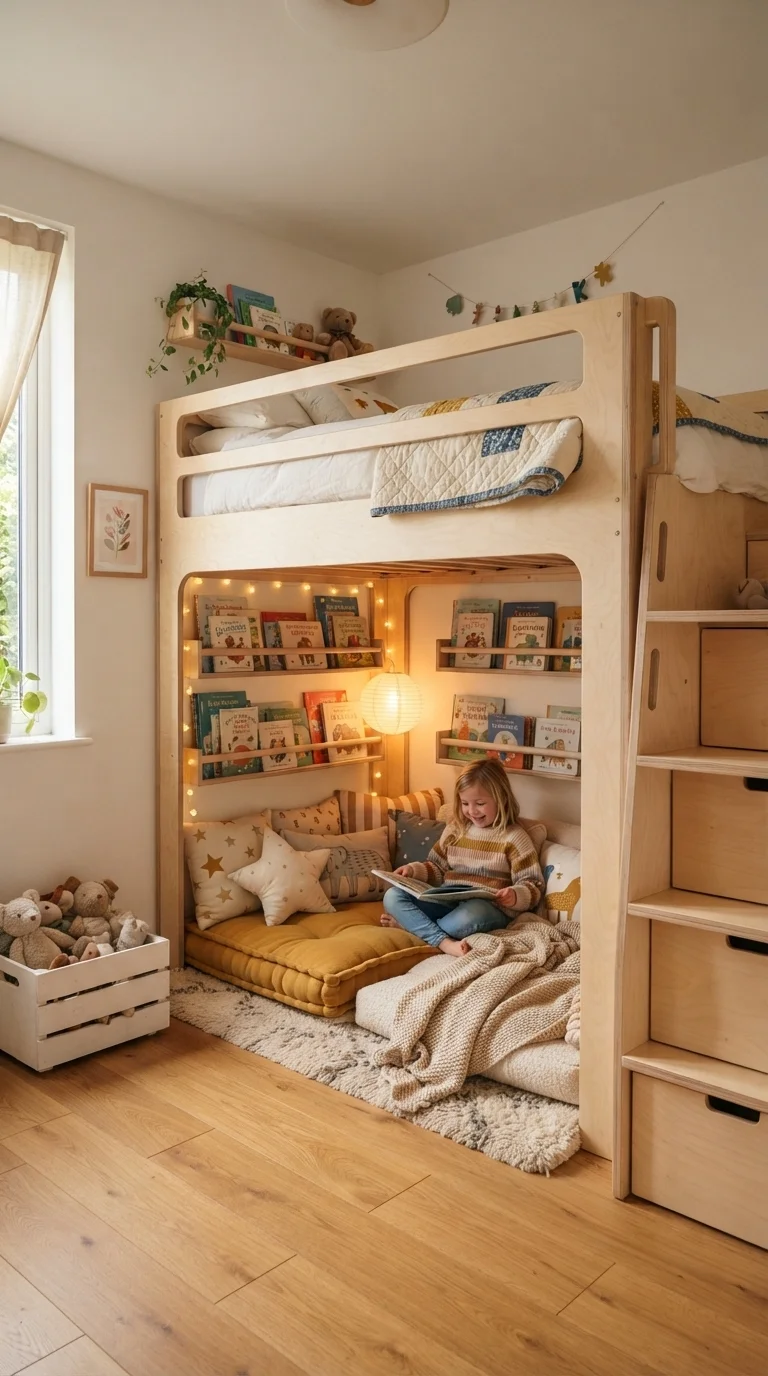
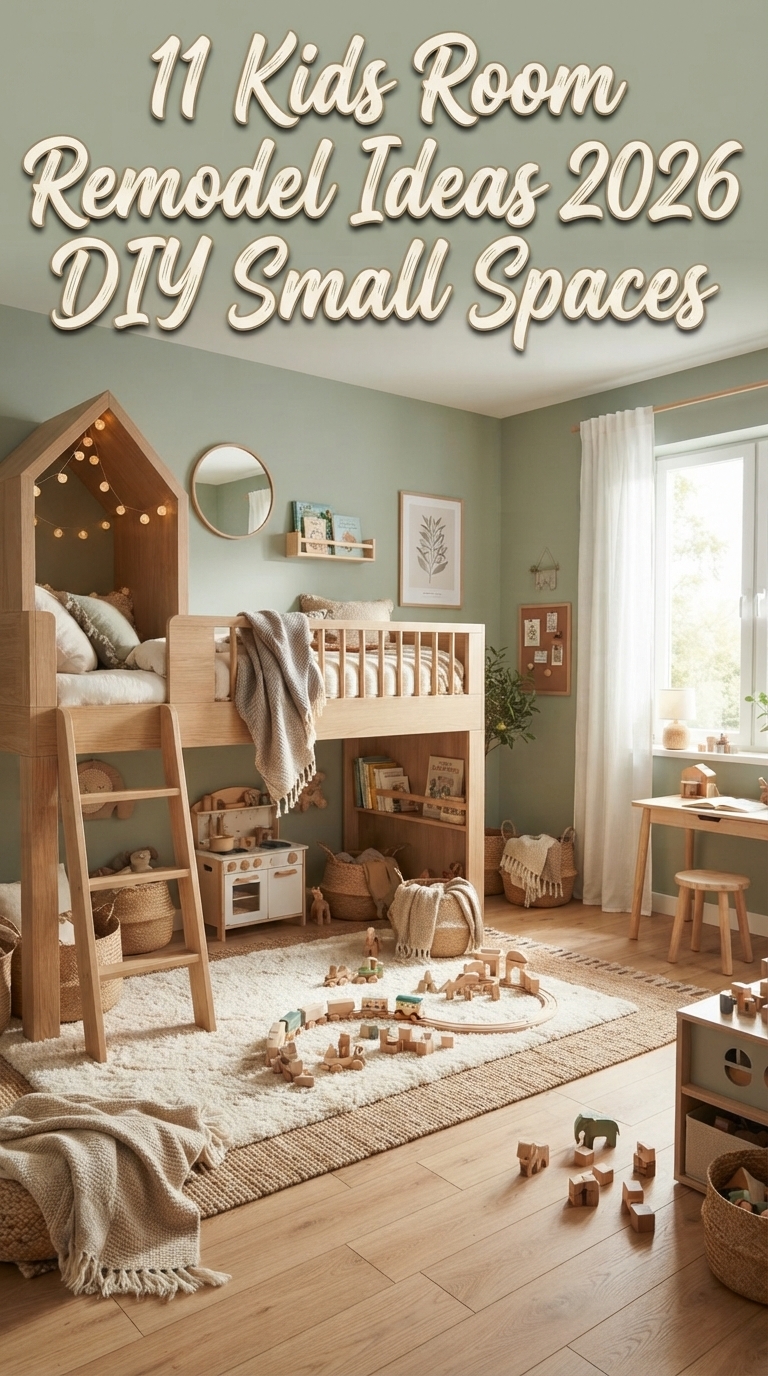
A floating loft bed is the ultimate solution for small rooms, immediately doubling your usable floor space. By elevating the mattress, you create a dedicated zone below for a reading nook, a desk, or extra toy storage. This layout works exceptionally well in rooms with high ceilings, though standard heights also benefit from a low-profile loft design. Choose light-toned woods like birch or pine to keep the room feeling airy rather than heavy. This style is perfect for active children who need a clear distinction between sleep and play areas, helping them settle down at night.
2. Integrated Wall-to-Wall Bookshelves
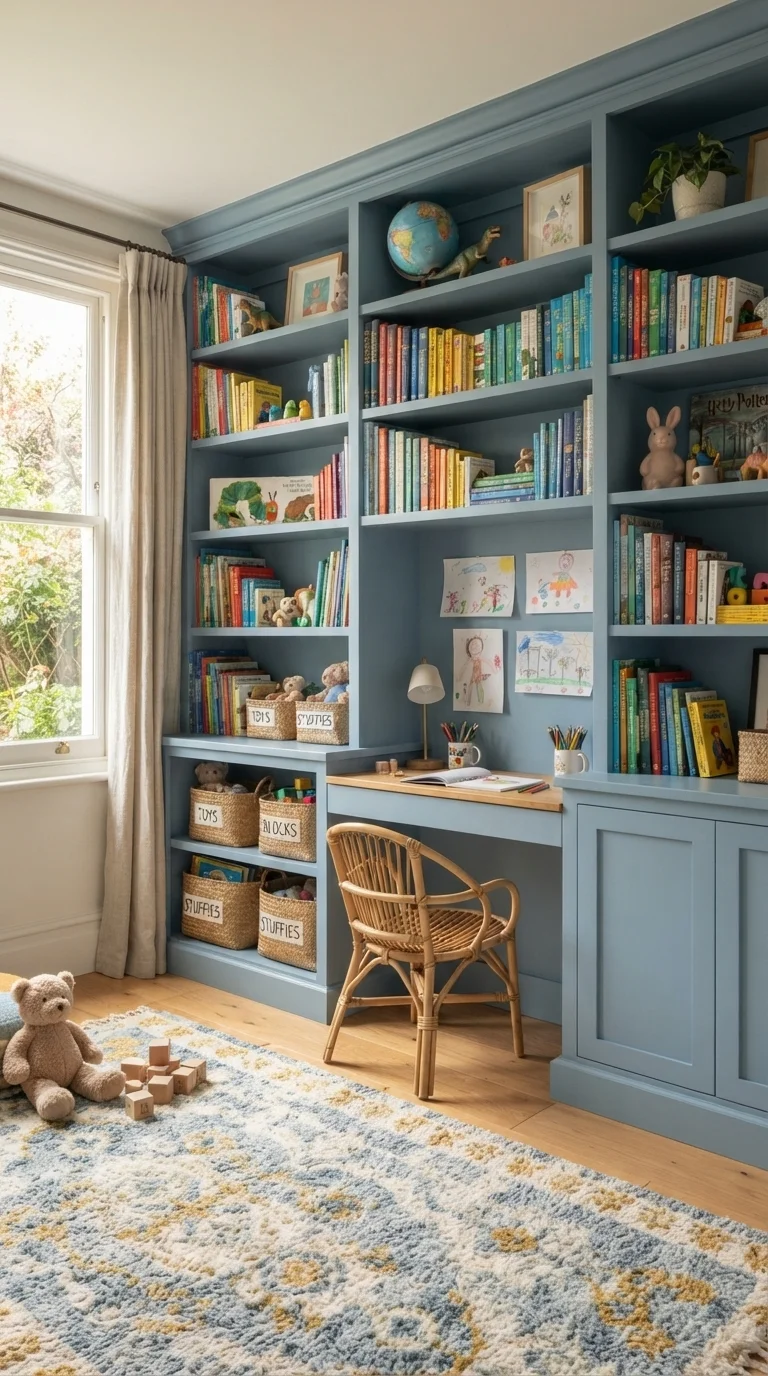
Built-in shelving units that span an entire wall turn a messy collection of toys and books into an intentional design feature. Using vertical space up to the ceiling draws the eye upward, making the room feel larger than it actually is. Paint the shelves the same color as the walls to help them blend in, or opt for a contrasting bold hue to create a focal point. This configuration is ideal for families who want to keep floor clutter to a minimum while maintaining easy access to educational materials and favorite toys.
3. Fold-Down Desks for Flexible Study Zones
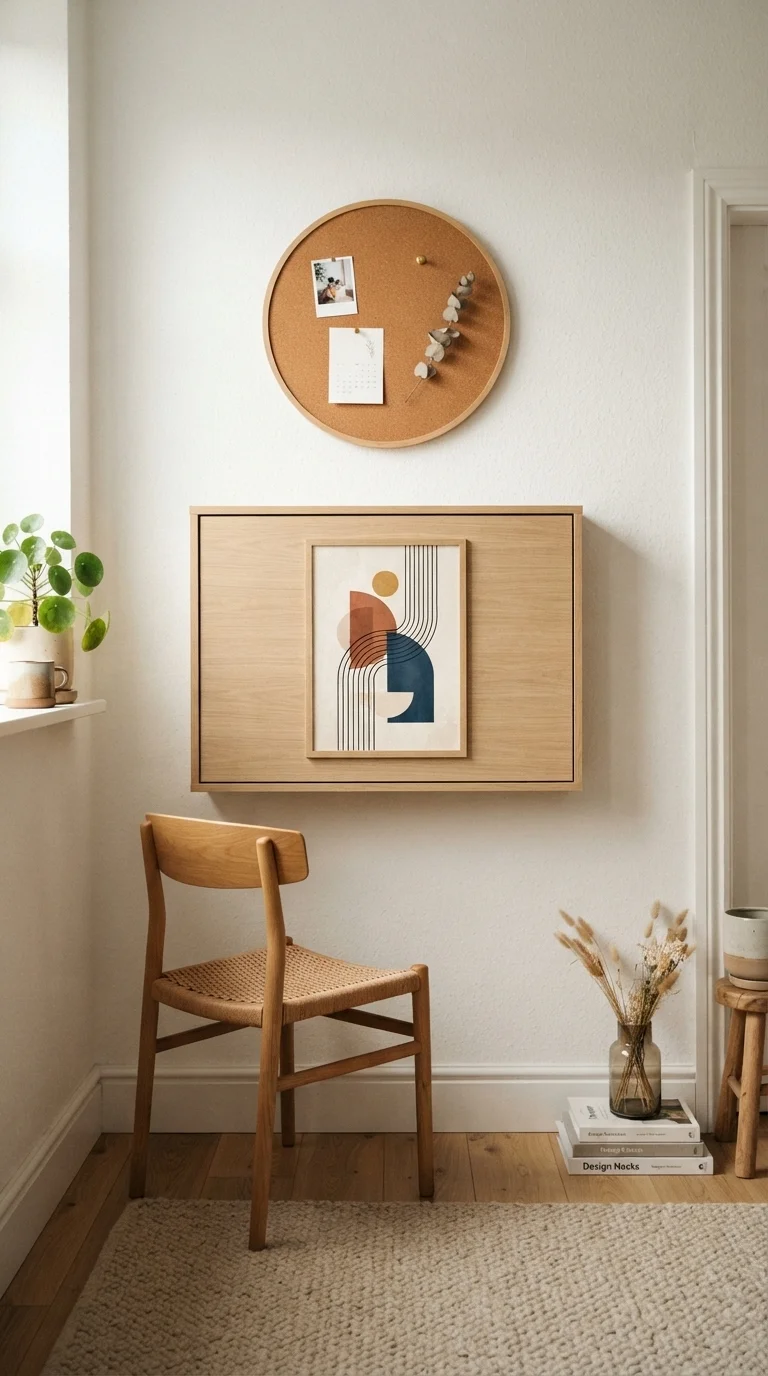
When floor space is at a premium, a fold-down desk is an essential piece of furniture that disappears when not in use. It provides a sturdy workspace for homework or crafts during the day and folds flat against the wall for play time. Position the desk near a window to ensure adequate natural light during study hours. This solution is perfect for older children or teens who need a quiet place to work but don’t want a permanent desk taking up their precious floor area.
4. Multi-Functional Storage Under Bed Frames
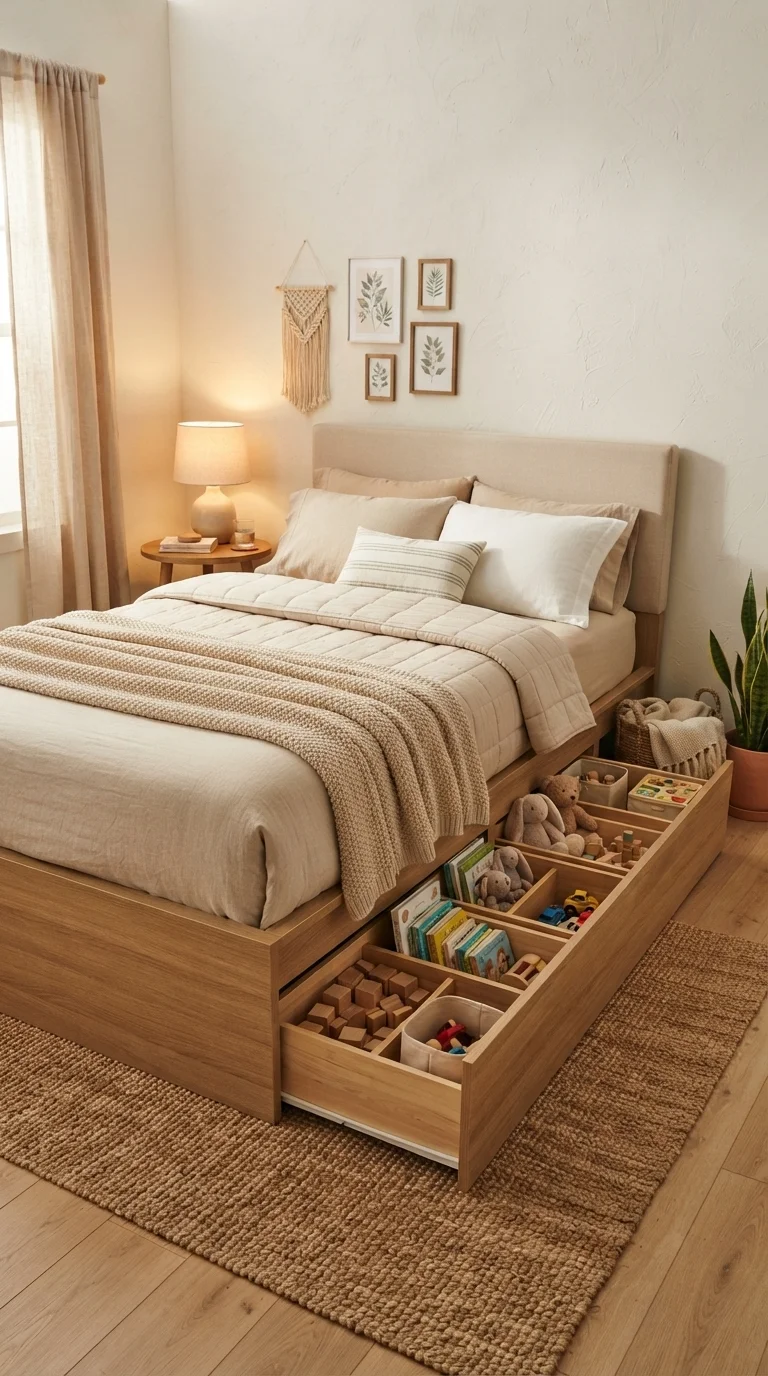
Utilizing the dead space beneath a bed frame is a classic, effective way to store out-of-season clothing, extra bedding, or large toy collections. Opt for a bed frame with integrated drawers or use slim, rolling bins that slide easily on hardwood floors. This keeps the room tidy and ensures that every item has a specific home. It is a highly practical choice for small bedrooms where traditional dressers would simply crowd the pathways and limit movement during the day.
5. Removable Wallpaper for Dynamic Style
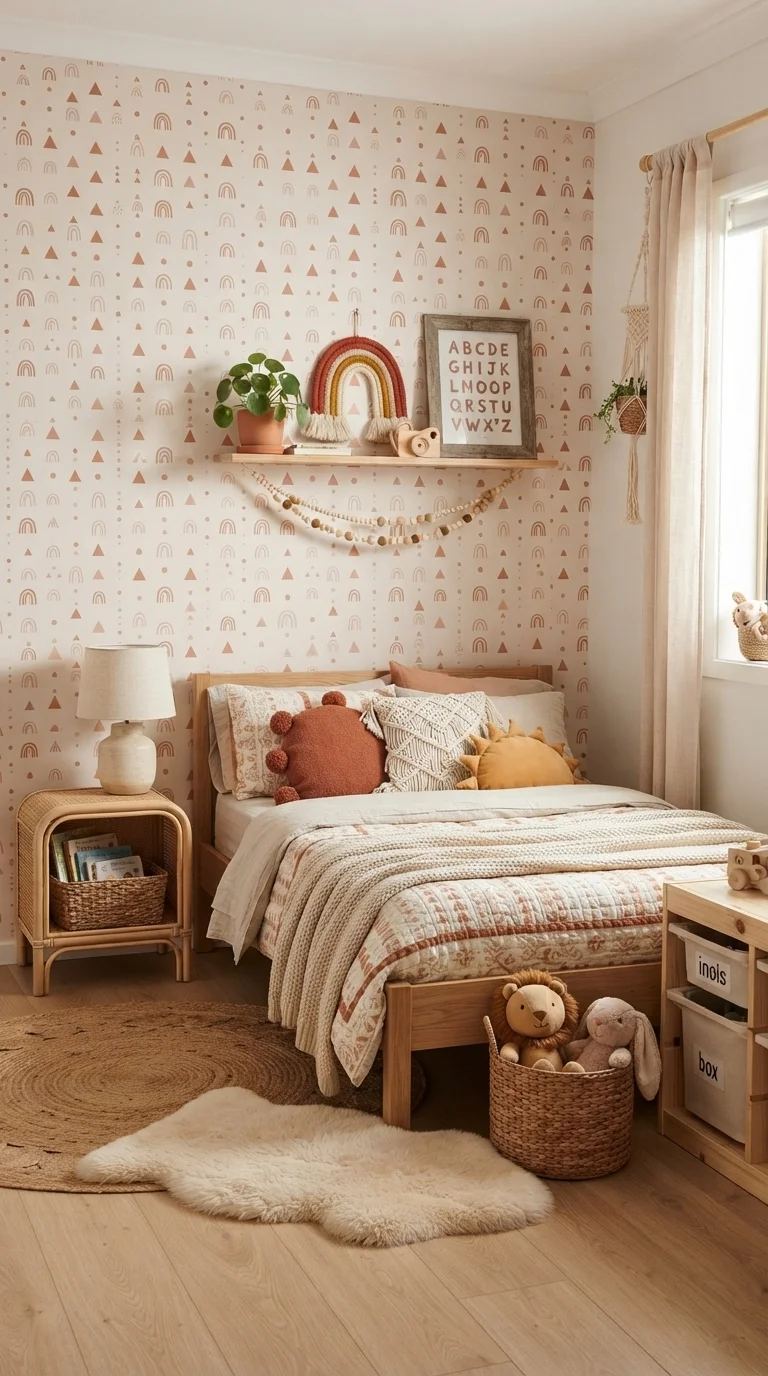
Removable wallpaper is a game-changer for parents who want to update a room’s aesthetic without a permanent commitment. As children grow and their tastes change, you can peel away the old pattern and apply a new one in an afternoon. Choose patterns with soft, muted tones for a calming effect, or go for playful, large-scale prints to spark creativity. This is one of the easiest DIY projects to execute and provides a massive visual impact that makes the room feel completely refreshed.
6. Corner-Mounted Reading Nooks
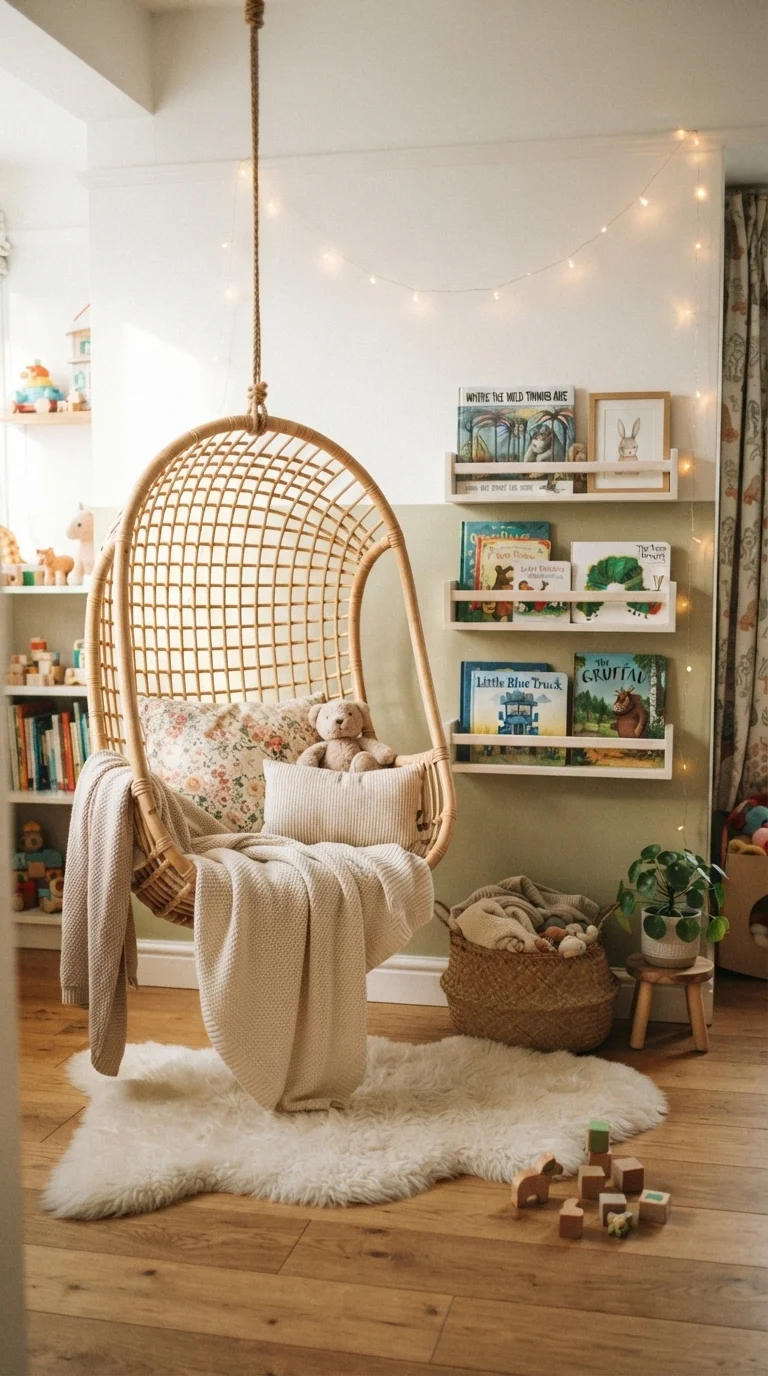
A corner reading nook creates a quiet, intimate retreat within a busy bedroom. Use a hanging chair or a plush floor beanbag tucked into the corner, paired with slim, wall-mounted ledges to display books. This design maximizes an often-neglected area of the room while encouraging a love for reading. It is a simple setup that requires very little hardware but adds immense value to the room’s atmosphere, providing a soft, comfortable space to unwind before bed.
7. Vertical Pegboard Wall Organization
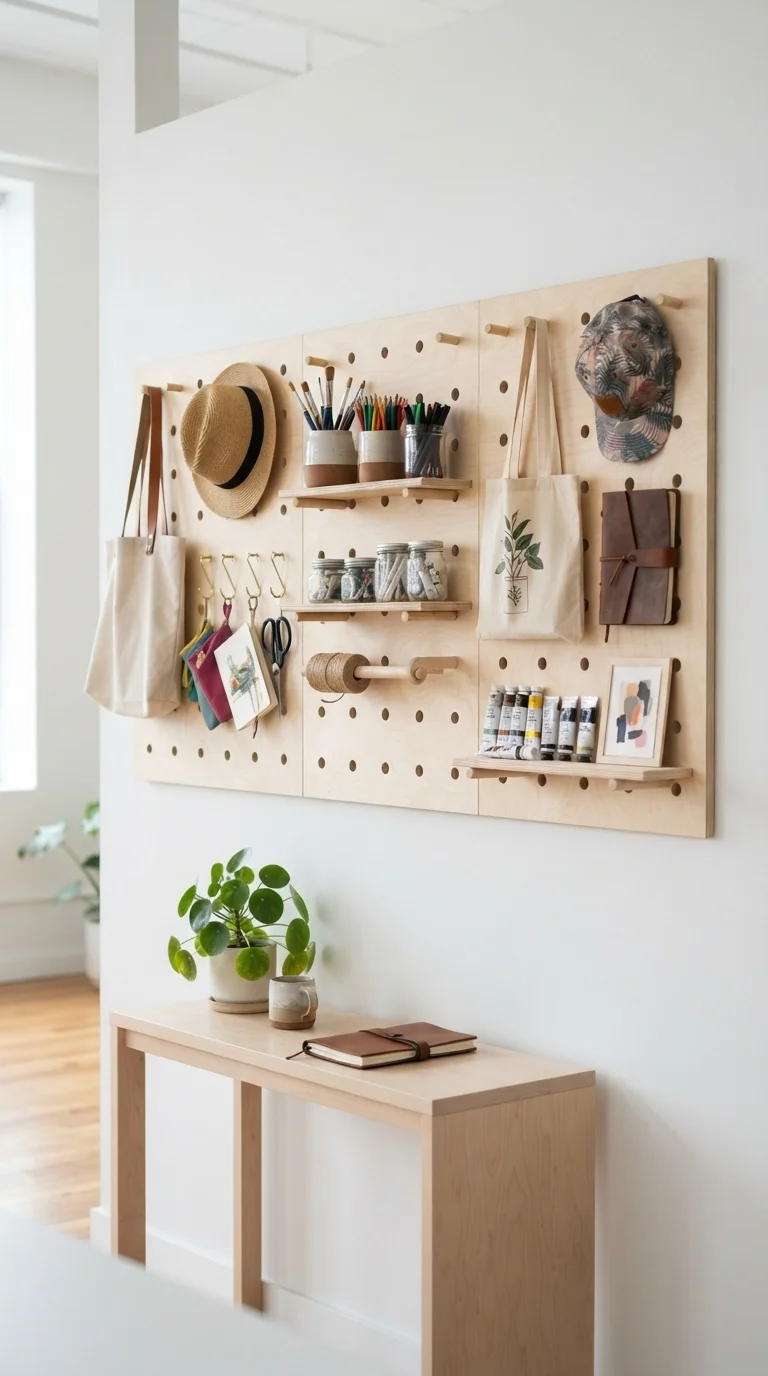
A large pegboard allows for total customization of storage, letting you move hooks and shelves as your child’s needs change. It is perfect for hanging art supplies, headphones, backpacks, or even small plants. By keeping these items off the floor and surfaces, you maintain a clean, organized look that feels sophisticated yet playful. This DIY project is inexpensive and highly functional, making it a staple for any small bedroom that needs to stay tidy on a daily basis.
8. Sliding Barn Doors for Closet Access
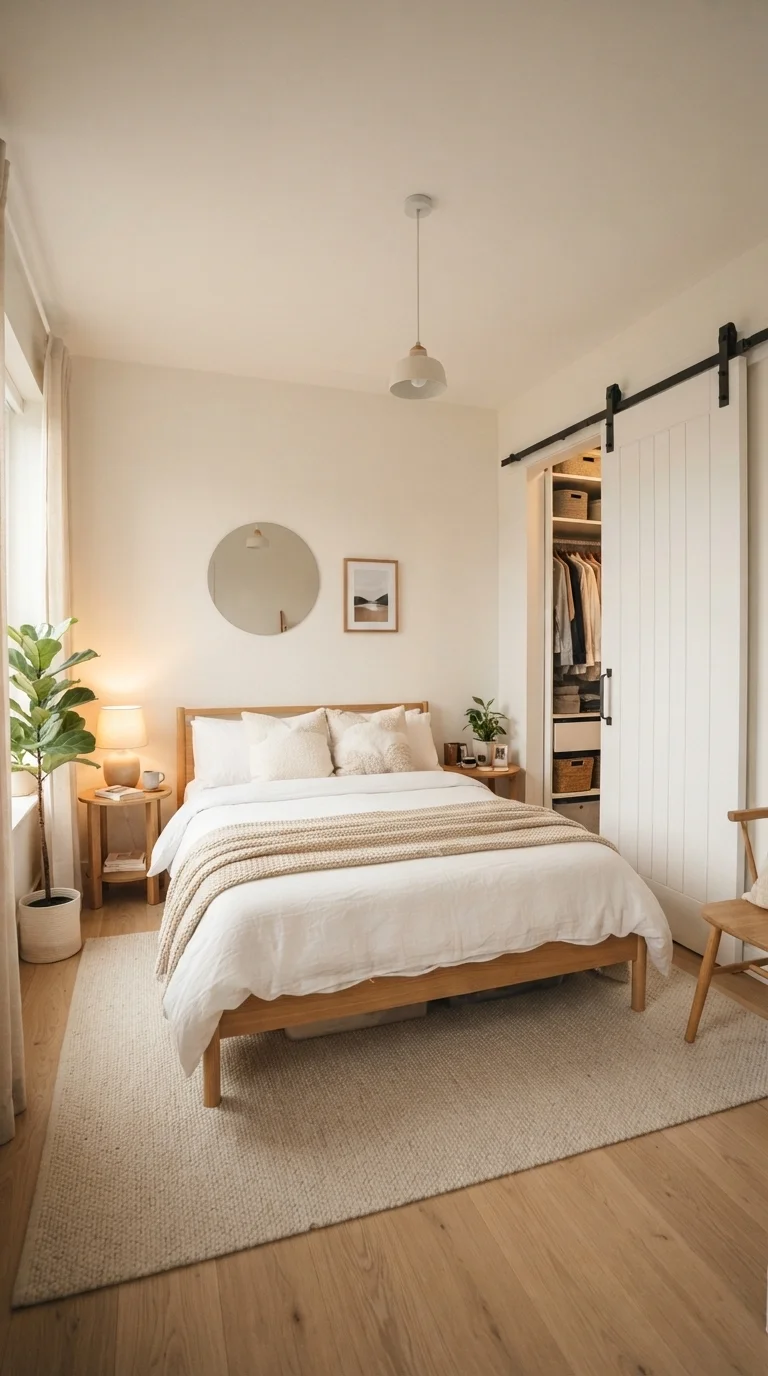
Traditional closet doors that swing outward can block furniture and limit room layout options. Replacing them with a sliding barn door saves significant space and adds a charming, rustic, or modern architectural detail to the room. This is a clever way to improve the flow of a small space while making the closet feel like a deliberate part of the room’s design. If you need more inspiration for managing small-home layouts, check out these 12 basement apartment remodel ideas for more space-saving tips.
9. Layered Lighting for Ambiance
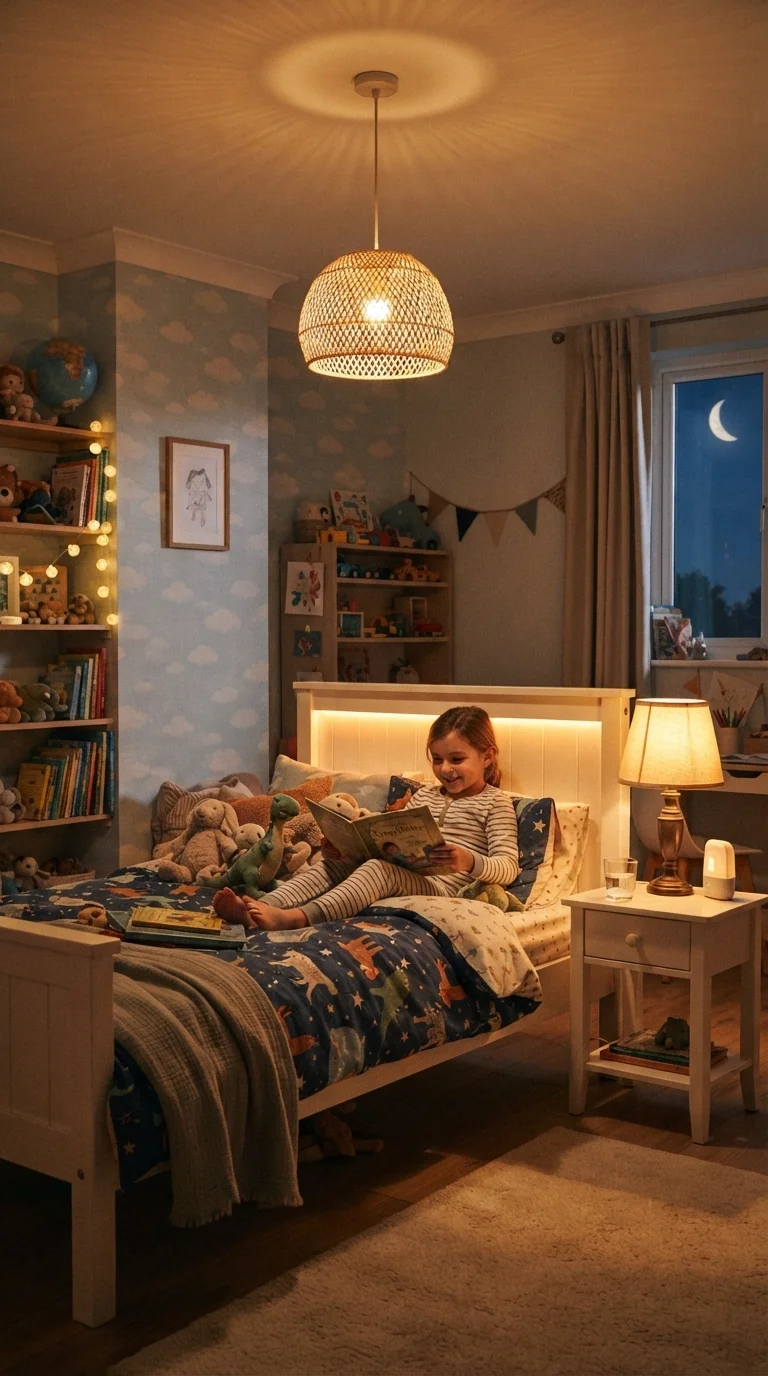
Proper lighting is the secret to making a small room feel cozy and expansive. Avoid relying on a single overhead light; instead, use a combination of task lighting at a desk, ambient lamps by the bed, and warm accent lighting like LED strips. These layers allow you to shift the room’s mood from bright and energetic for play to soft and calming for sleep. Dimmer switches are an excellent addition here, giving you full control over the atmosphere throughout the day.
10. Floating Shelves for Display
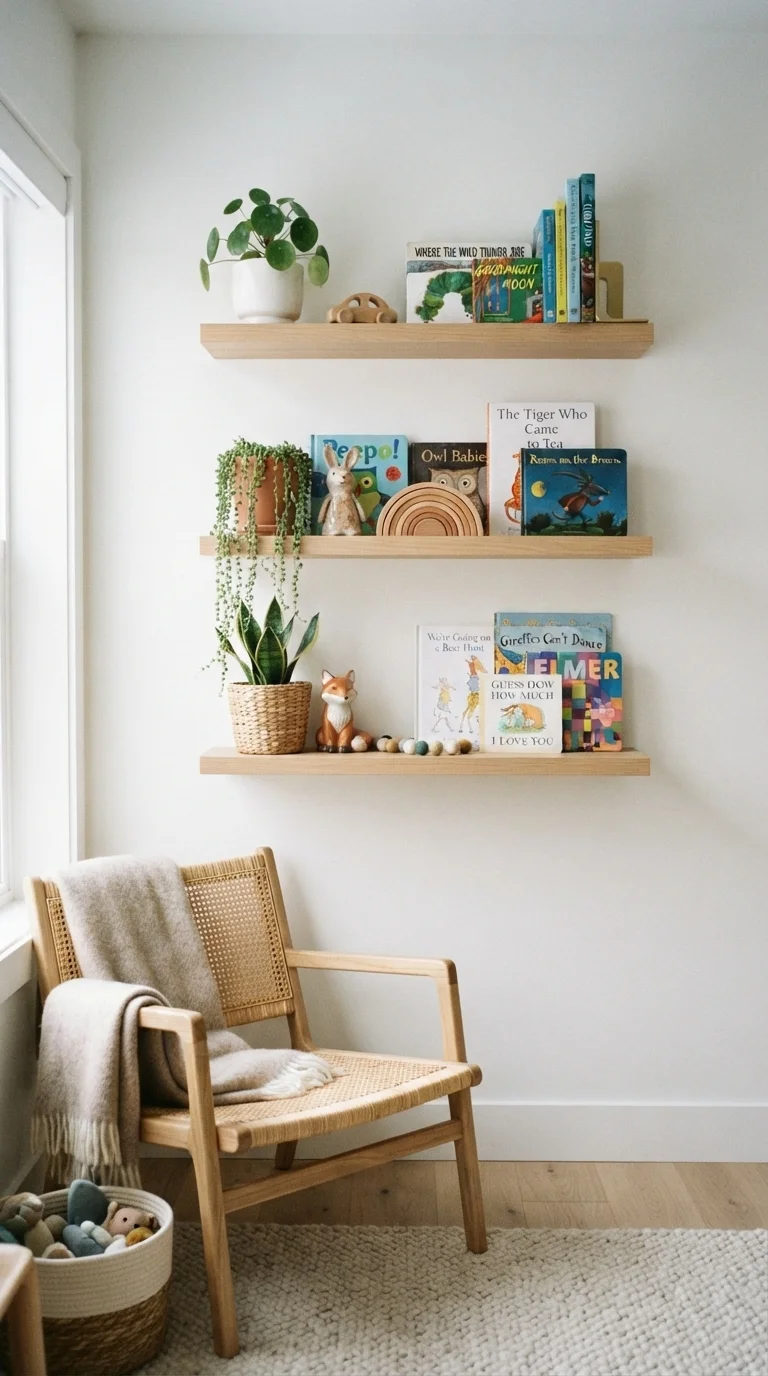
Floating shelves are perfect for showcasing special items without the visual weight of bulky cabinets. They offer a clean, minimalist way to display artwork, trophies, or curated collections while keeping the floor completely clear. Arrange them in a staggered pattern to add visual interest to an otherwise plain wall. This styling tip works best when you keep the items limited, preventing the room from feeling cluttered while still allowing your child’s personality to shine through their favorite objects.
11. Neutral Base with Playful Textiles
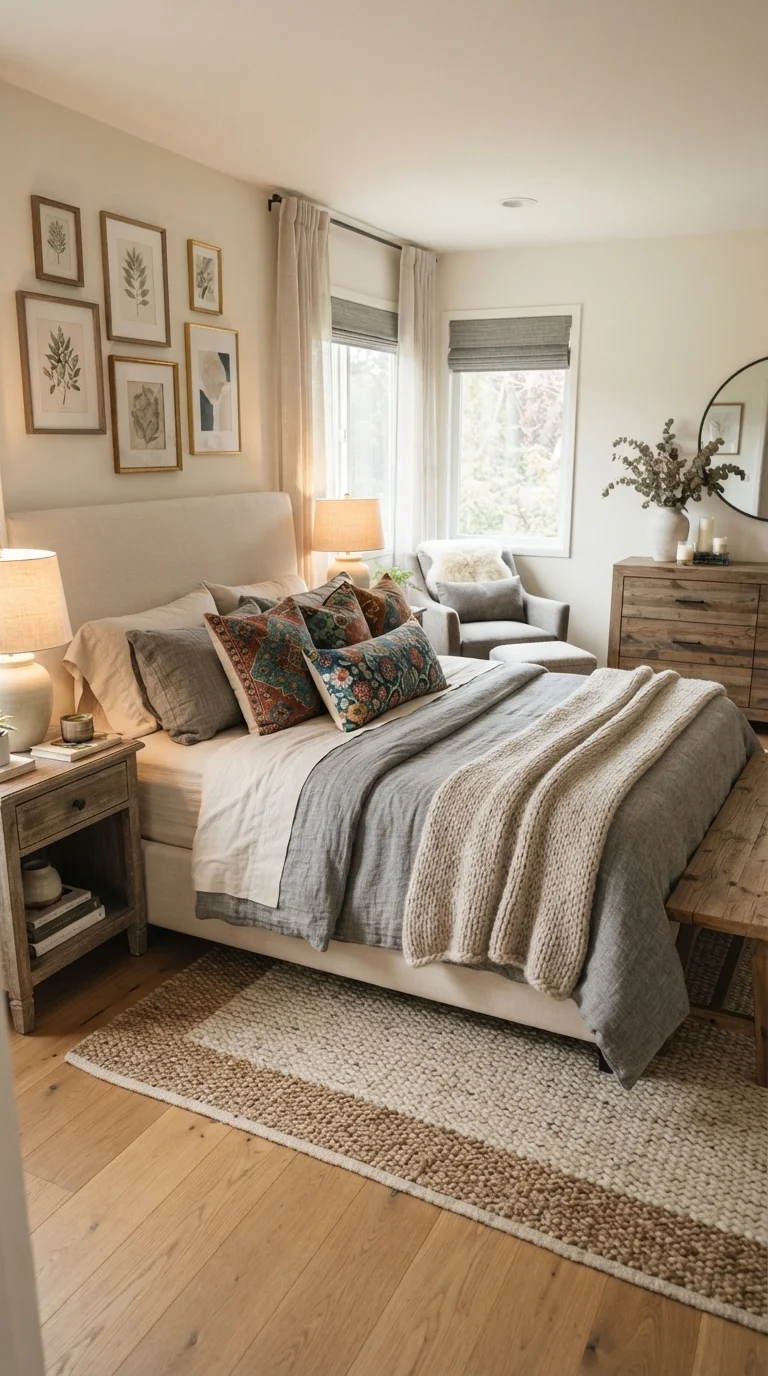
Starting with a neutral base—such as white, cream, or light grey—allows you to easily change the room’s vibe through textiles. Use colorful blankets, patterned pillows, and textured rugs to introduce personality and warmth. This approach ensures the room remains timeless and versatile as your child grows, rather than feeling outdated after a year or two. Textiles are affordable, easy to wash, and provide a soft, comfortable environment that makes the room feel lived-in and truly cozy.