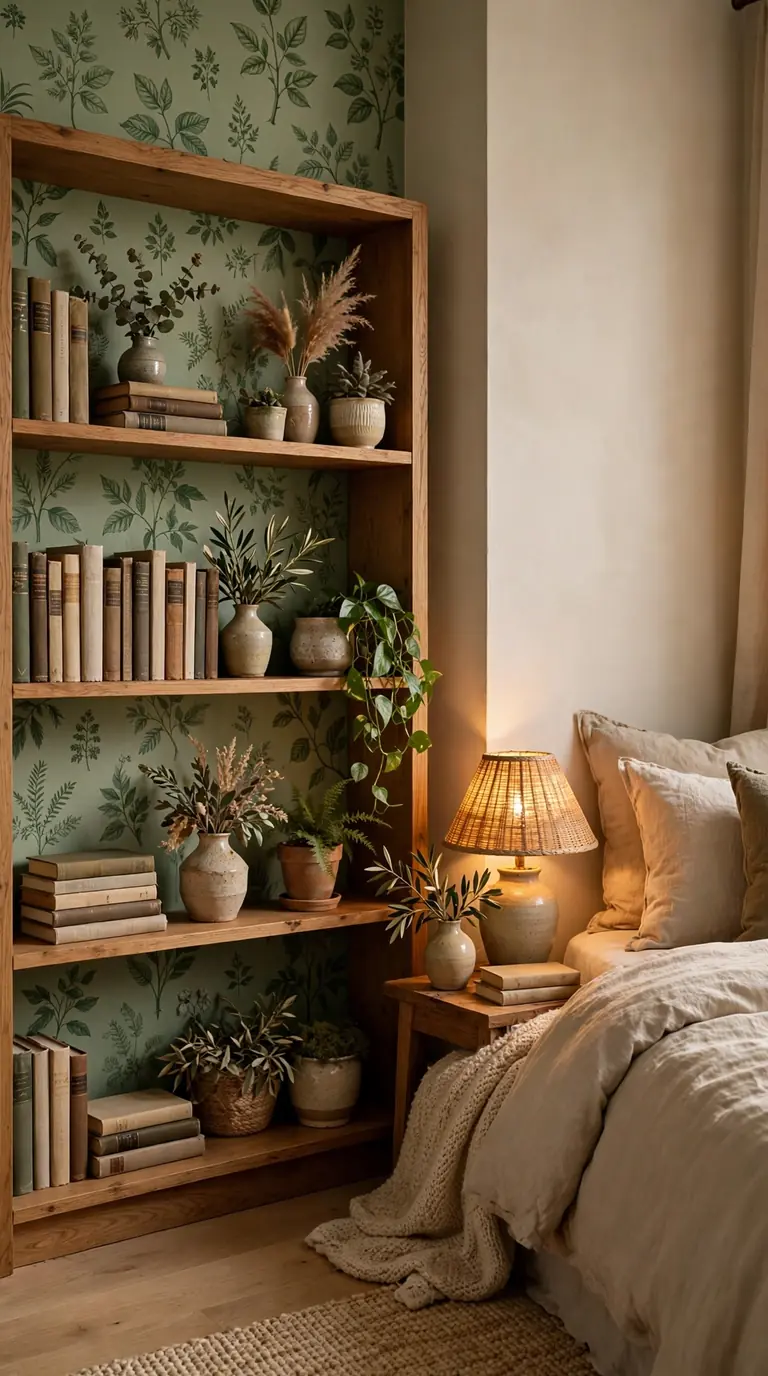
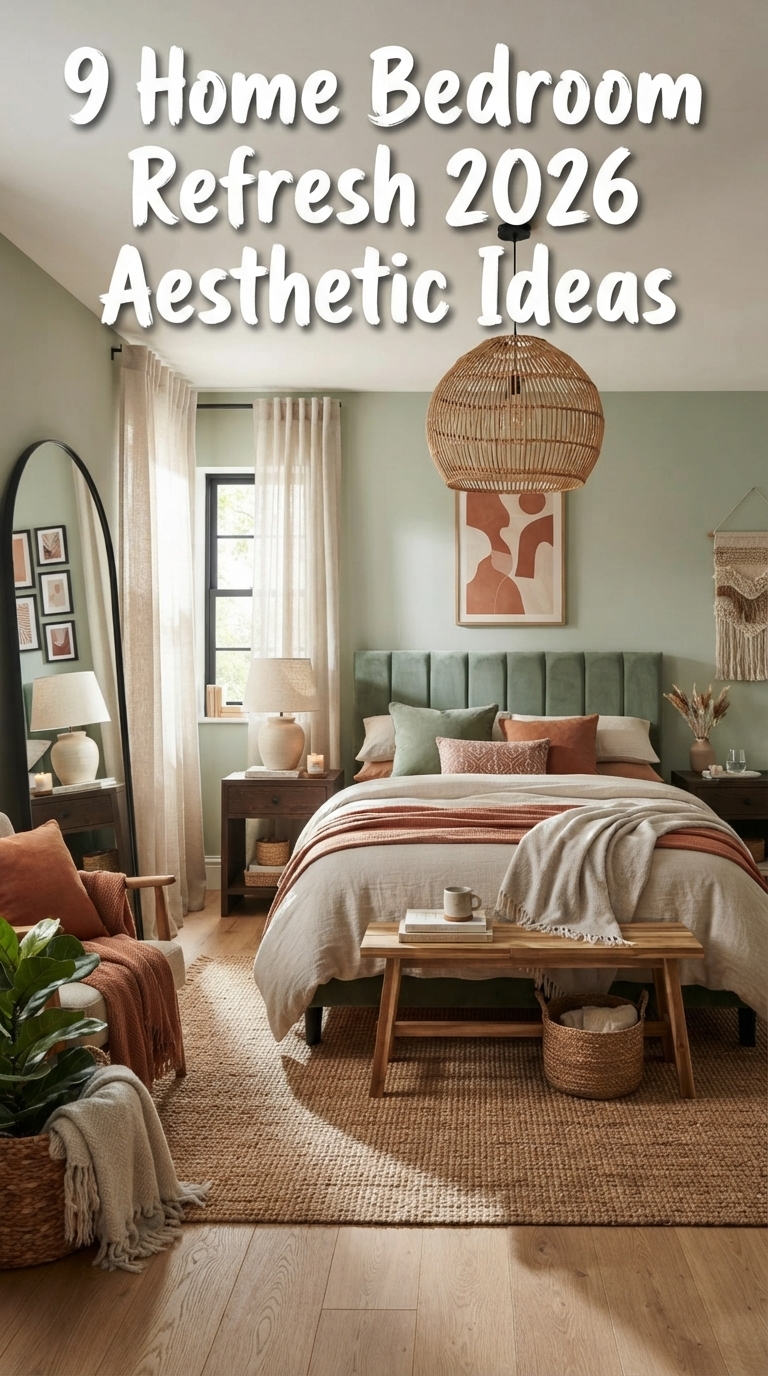
Refreshing your bedroom for 2026 is about blending personal comfort with high-end textures and intentional living. As we move away from stark minimalism, the new aesthetic focuses on warmth, organic shapes, and pieces that tell a story. Whether you want to revitalize a tired space or start fresh with a calming sanctuary, these nine design concepts offer a roadmap for your next project. From bold color blocking to sustainable material choices, you will find practical ways to breathe new life into your sleep space. Let’s explore how to create a bedroom that feels both current and timeless, ensuring every detail contributes to your daily peace and relaxation.
1. Earthy Terracotta and Sage Green Color Blocking
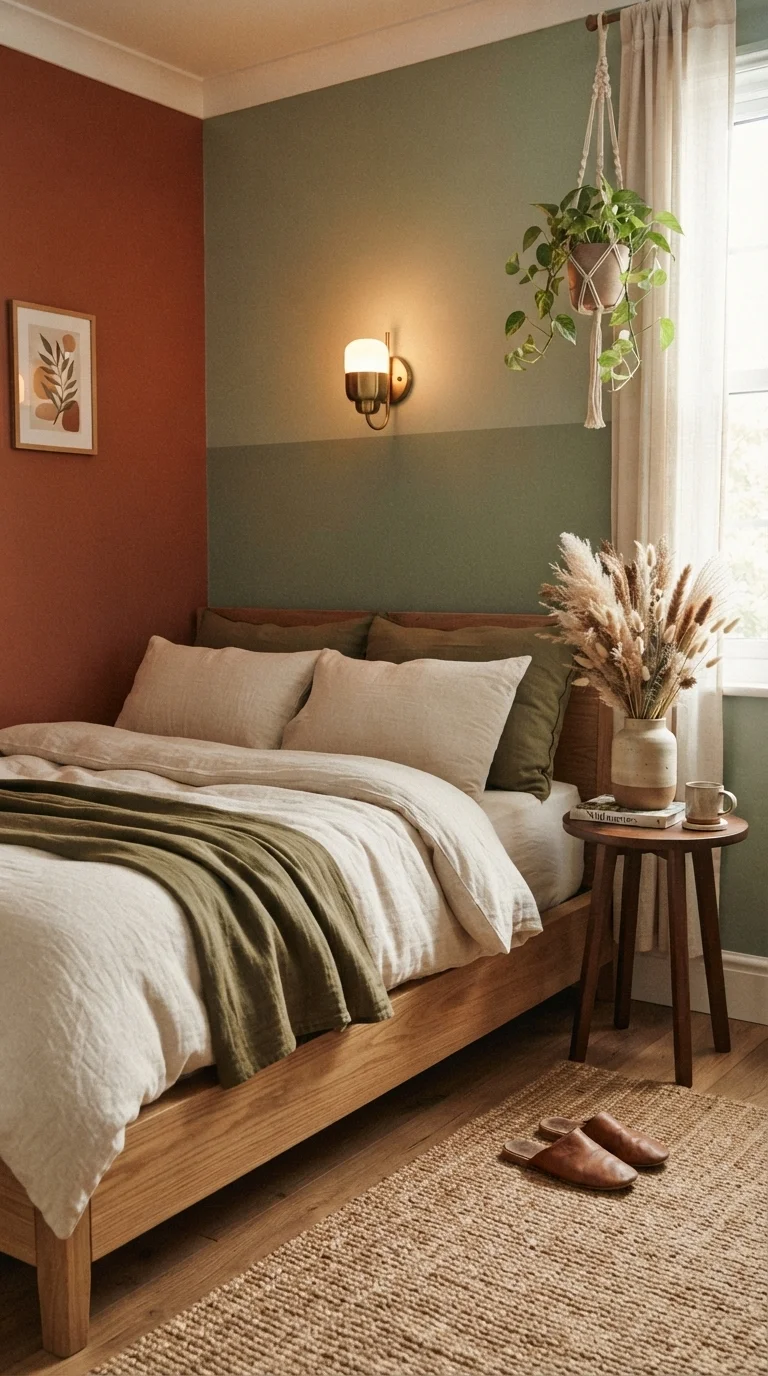
Color blocking creates an instant architectural focal point without requiring expensive renovations. By painting a horizontal line or a large geometric shape behind the headboard, you ground the bed and define the sleeping zone. Use a warm terracotta for the lower half to add coziness and a soft, muted sage green above to bring in natural, earthy vibes. This combination works exceptionally well with light oak furniture and matte black hardware. To keep the look balanced, ensure your bedding remains neutral so the wall remains the star of the show. It is a cost-effective way to make a room feel custom-designed.
2. Organic Arched Furniture and Mirrors
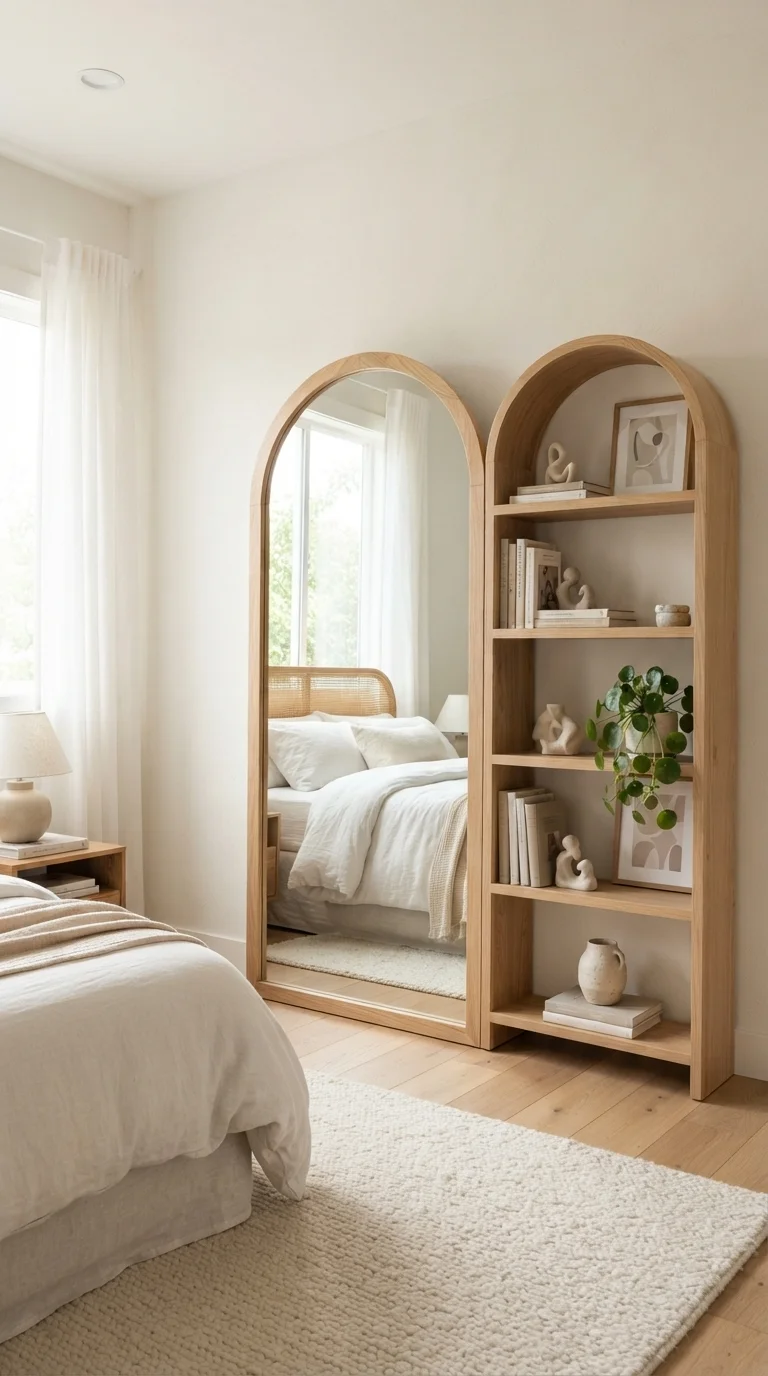
Curves are defining the 2026 aesthetic, replacing sharp edges with a softer, more fluid silhouette. Introducing an arched floor mirror not only reflects light to make the room feel larger but also acts as a sculptural piece of art. Pair this with arched open shelving to display your favorite decorative items, like ceramic bowls or vintage hardcovers. This look is ideal for those who prefer a minimalist yet sculptural home. To maintain visual harmony, stick to a monochromatic palette of creams, beiges, and soft whites. This setup pairs beautifully with modern bedroom curtains that offer a soft, flowing texture to complement the curves.
3. Sustainable Cork and Bamboo Textures
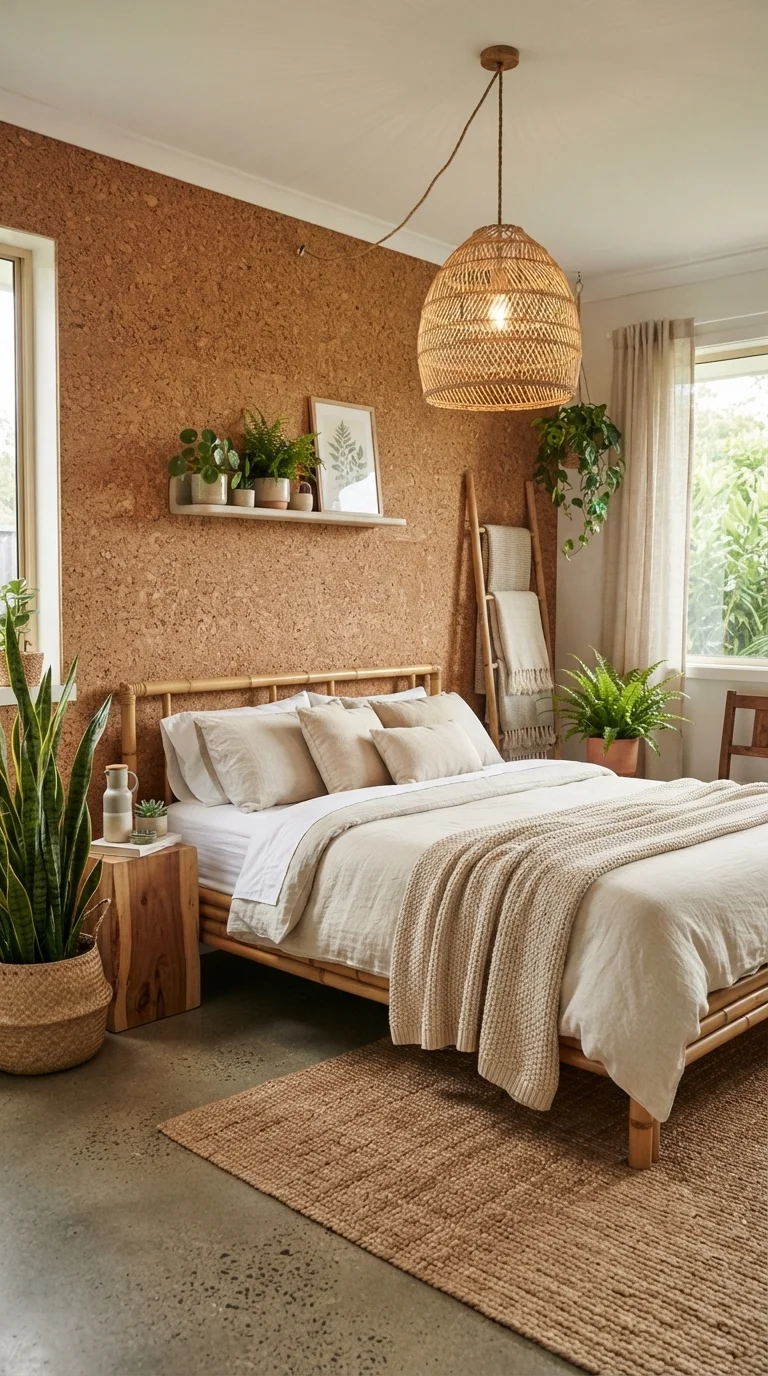
Bringing nature indoors is essential for a calming bedroom retreat. Sustainable materials like cork and bamboo are seeing a massive resurgence for their durability and warm, tactile appeal. A cork accent wall provides excellent sound insulation while adding a rich, mottled texture that feels sophisticated. Pair this with a bamboo bed frame to anchor the room in organic materials. These elements thrive in spaces with plenty of natural light, so keep window treatments minimal to allow the outdoors to feel closer. It is a perfect design choice for homeowners who prioritize wellness and eco-conscious living in their daily routine.
4. Statement Sculptural Lighting Fixtures
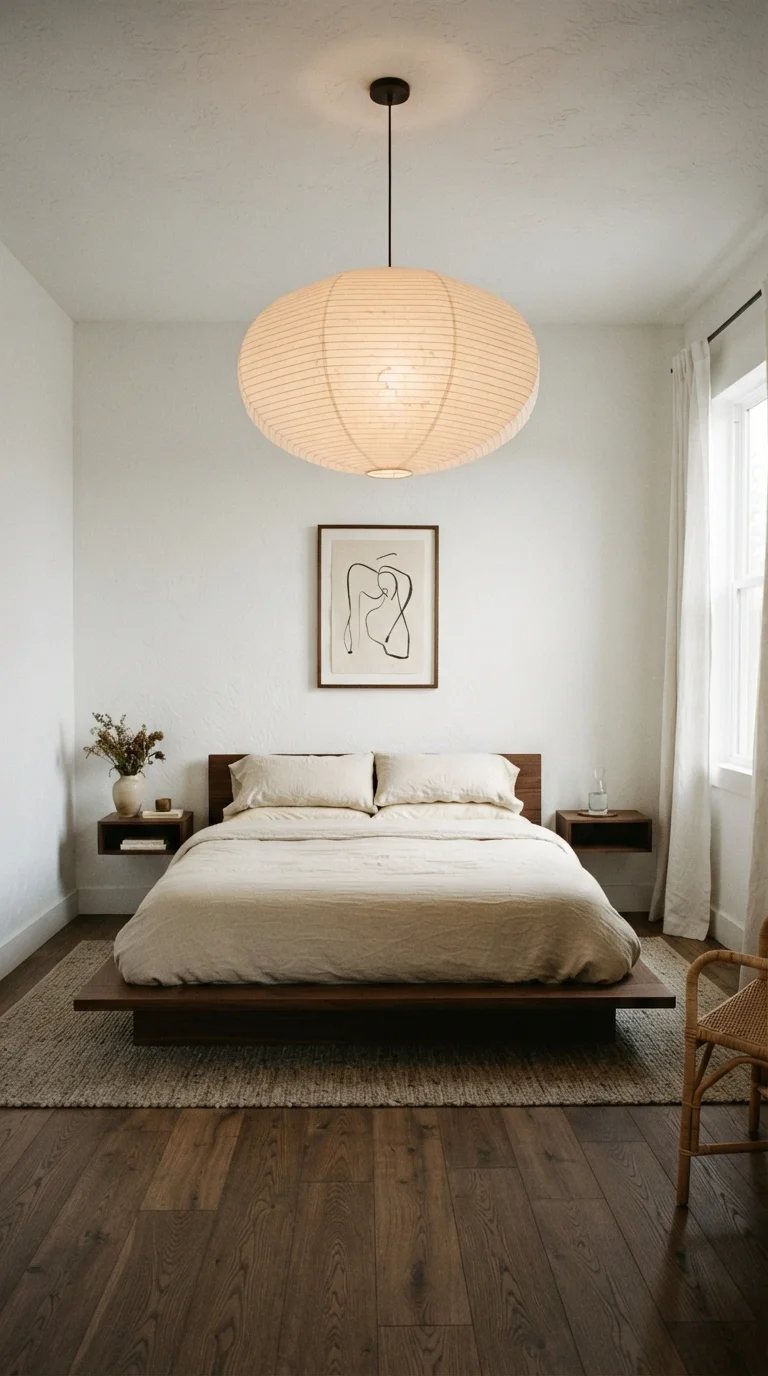
Lighting is the jewelry of a bedroom, and in 2026, it is all about scale and personality. Replace a standard flush mount with an oversized paper lantern or a bold, sculptural metal chandelier to create an immediate impact. These fixtures act as a focal point, drawing the eye upward and adding character to an otherwise plain ceiling. If you have high ceilings, lean into larger, more dramatic pieces. For lower ceilings, opt for wide-diameter fixtures that spread light evenly across the room. Ensure your lighting is on a dimmer switch to easily shift the mood from a bright, productive morning to a cozy, relaxing evening.
5. Layered Linen and Bouclé Fabrics
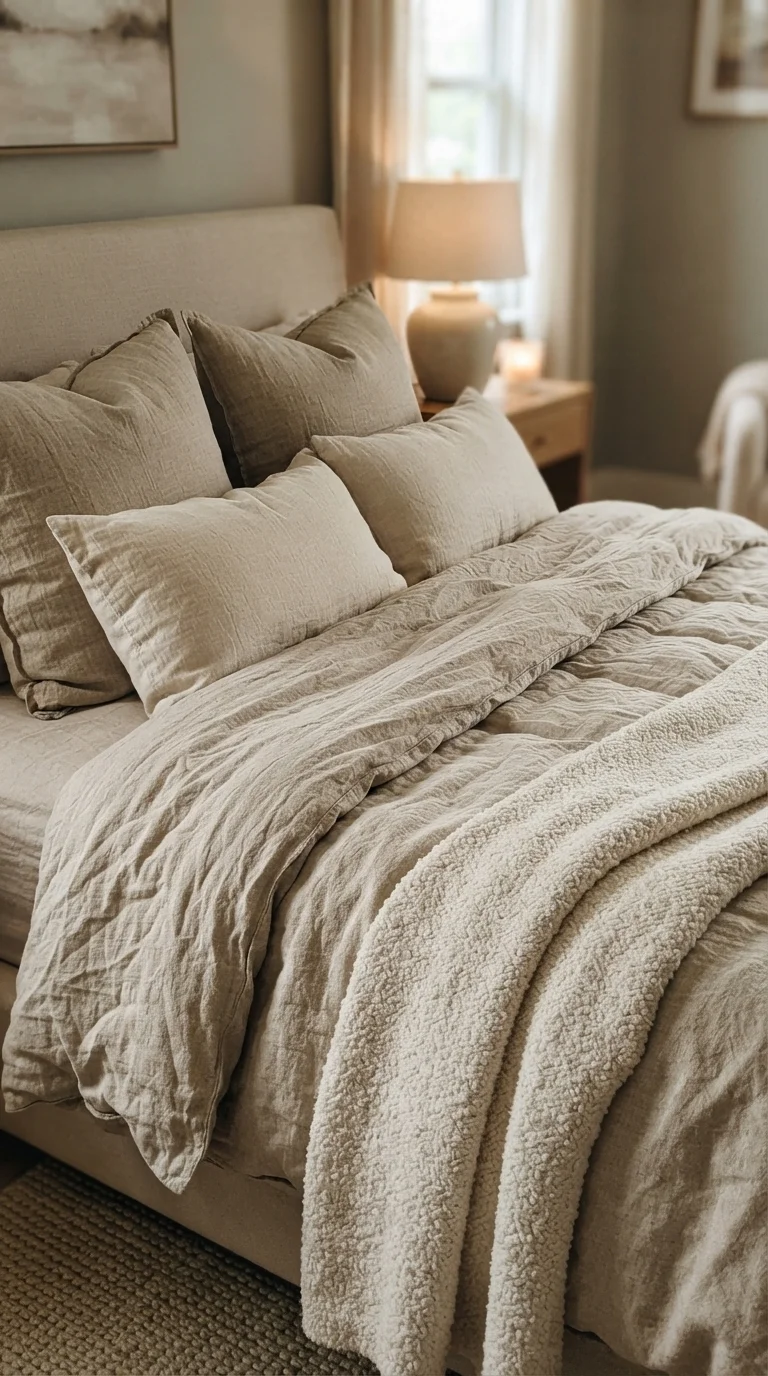
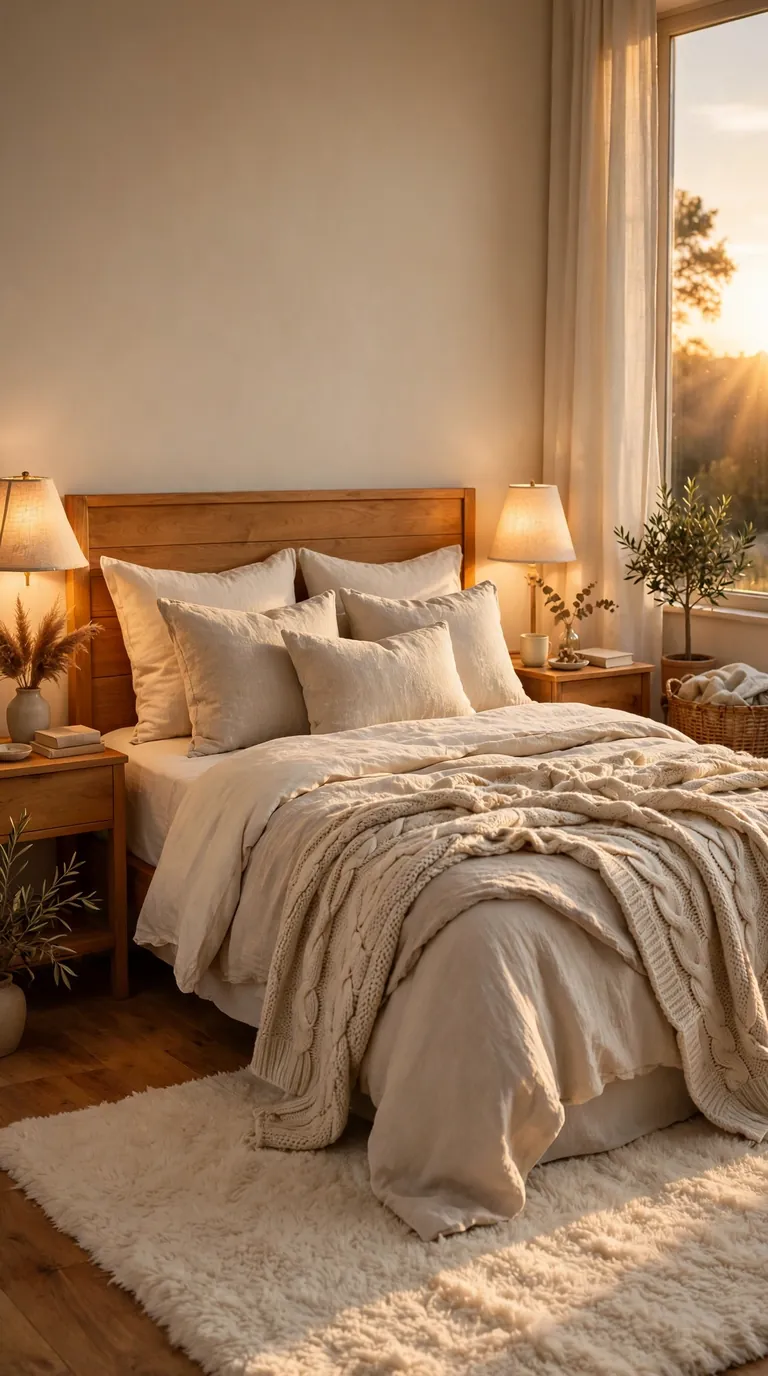
Texture layering is the secret to a high-end, inviting bedroom. By mixing different fabrics, you create a depth that feels curated rather than staged. Start with a foundation of high-quality, breathable linen bedding that softens over time. Layer in a chunky bouclé throw at the foot of the bed to introduce a tactile, cozy element that begs to be touched. This combination works across all seasons, as linen regulates temperature while bouclé adds that essential winter warmth. Keep the color palette tight—think tonal shades of sand, stone, and ivory—to let the textures do the talking without feeling visually cluttered.
6. Integrated Smart Storage Solutions
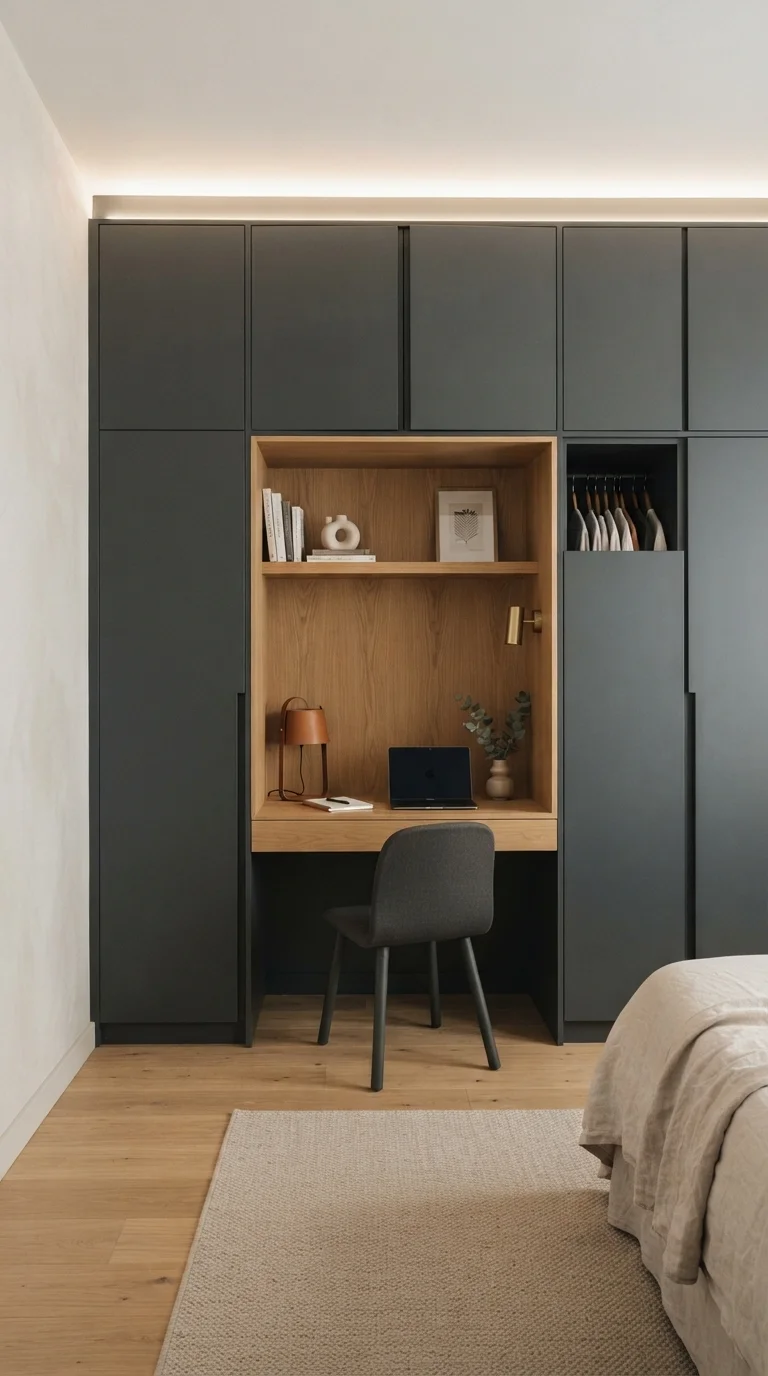
Clutter is the enemy of a restful bedroom, which is why integrated storage is a top priority for 2026. Instead of bulky standalone dressers, consider wall-to-wall built-ins that match your wall color. This makes the storage feel like part of the architecture rather than an afterthought. Use push-to-open hardware to eliminate the need for handles, keeping the lines clean and modern. If space allows, build in a small, dedicated desk area or a vanity nook within the cabinetry. This keeps your surfaces clear and your mind calm, creating a designated spot for everything from your morning routine to your evening unwind.
7. Biophilic Design and Indoor Jungles
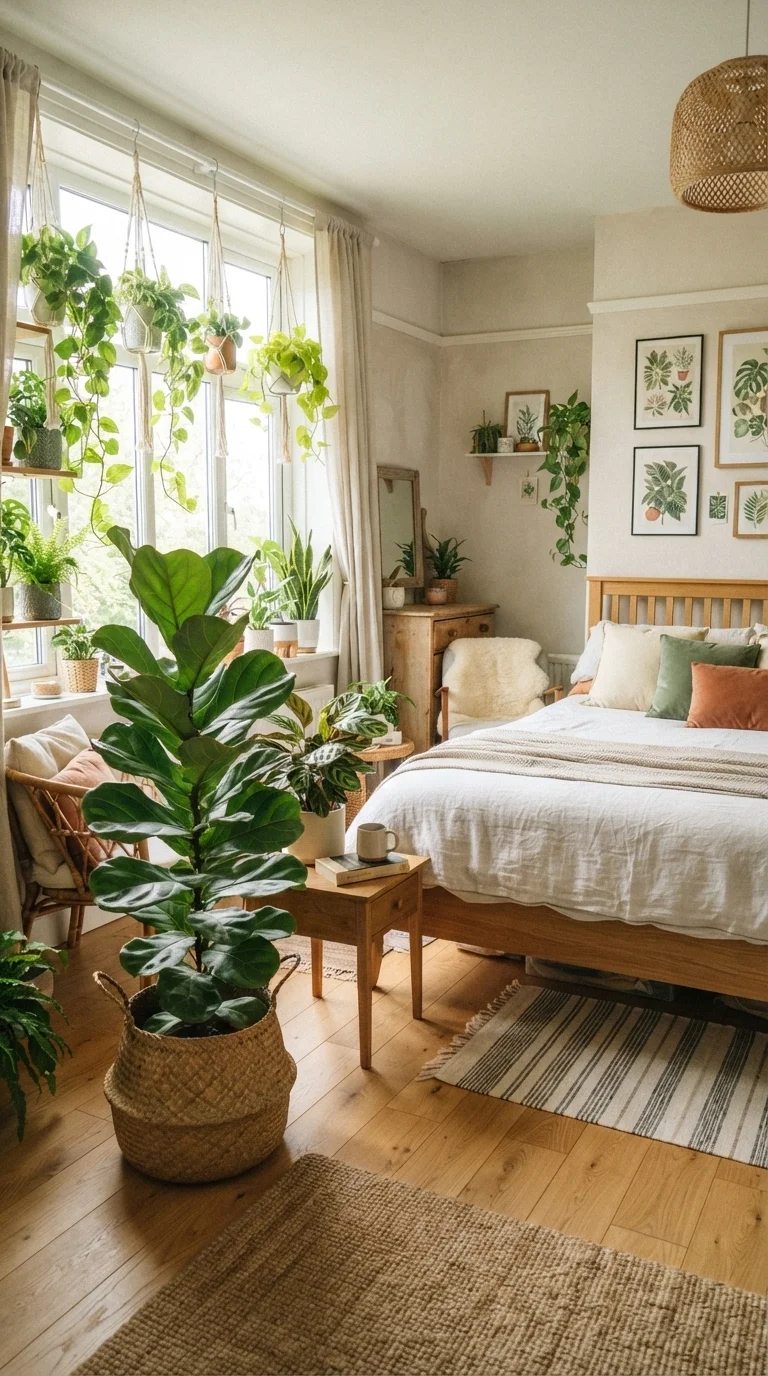
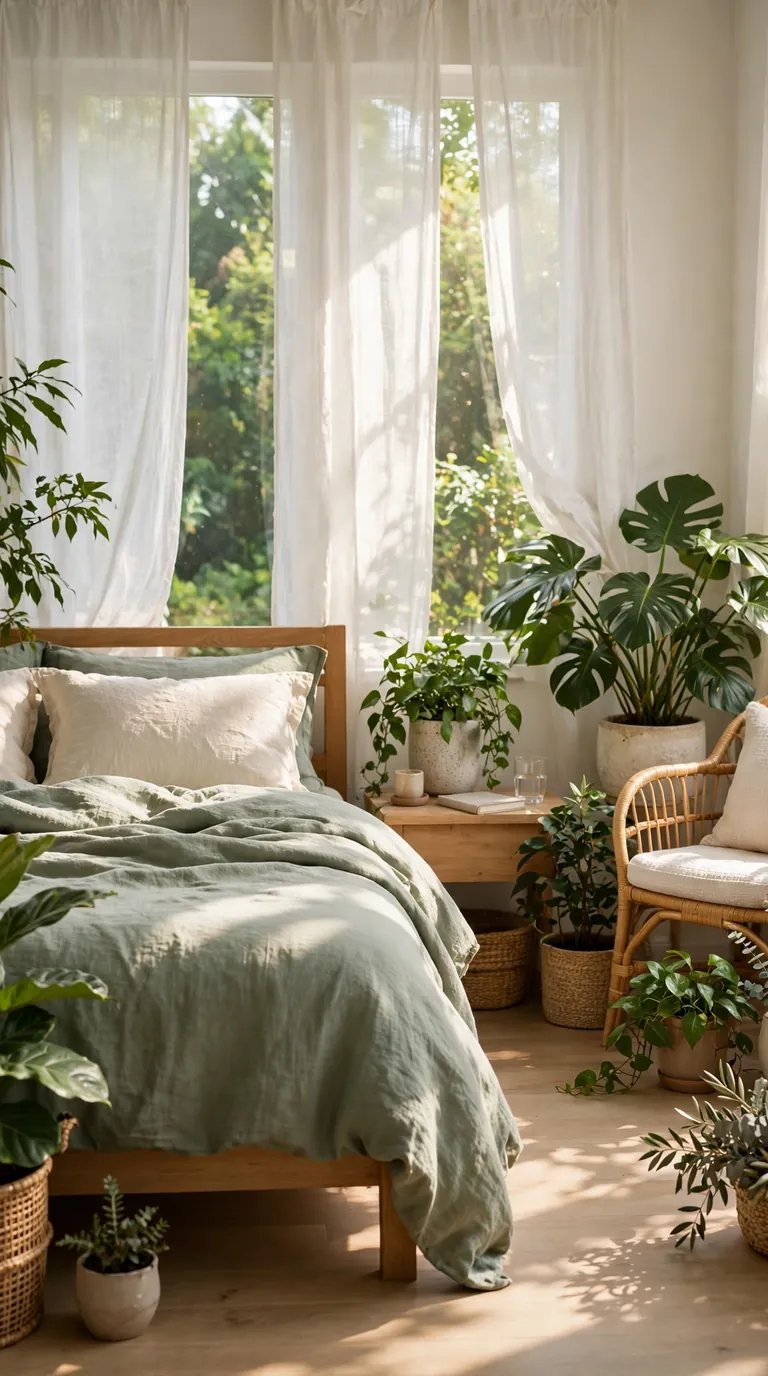
Biophilic design focuses on our innate need to connect with nature. In the bedroom, this means bringing in plants that improve air quality and provide a visual link to the outside world. Group plants of varying heights to create a natural rhythm—place a large tree like a fiddle leaf fig in an empty corner and smaller trailing plants on high shelves. Choose planters in natural materials like terracotta, stone, or woven seagrass to enhance the organic aesthetic. Beyond the visual appeal, the act of caring for greenery promotes mindfulness, making your bedroom a true sanctuary for your mental and physical health.
8. Moody and Atmospheric Paint Colors
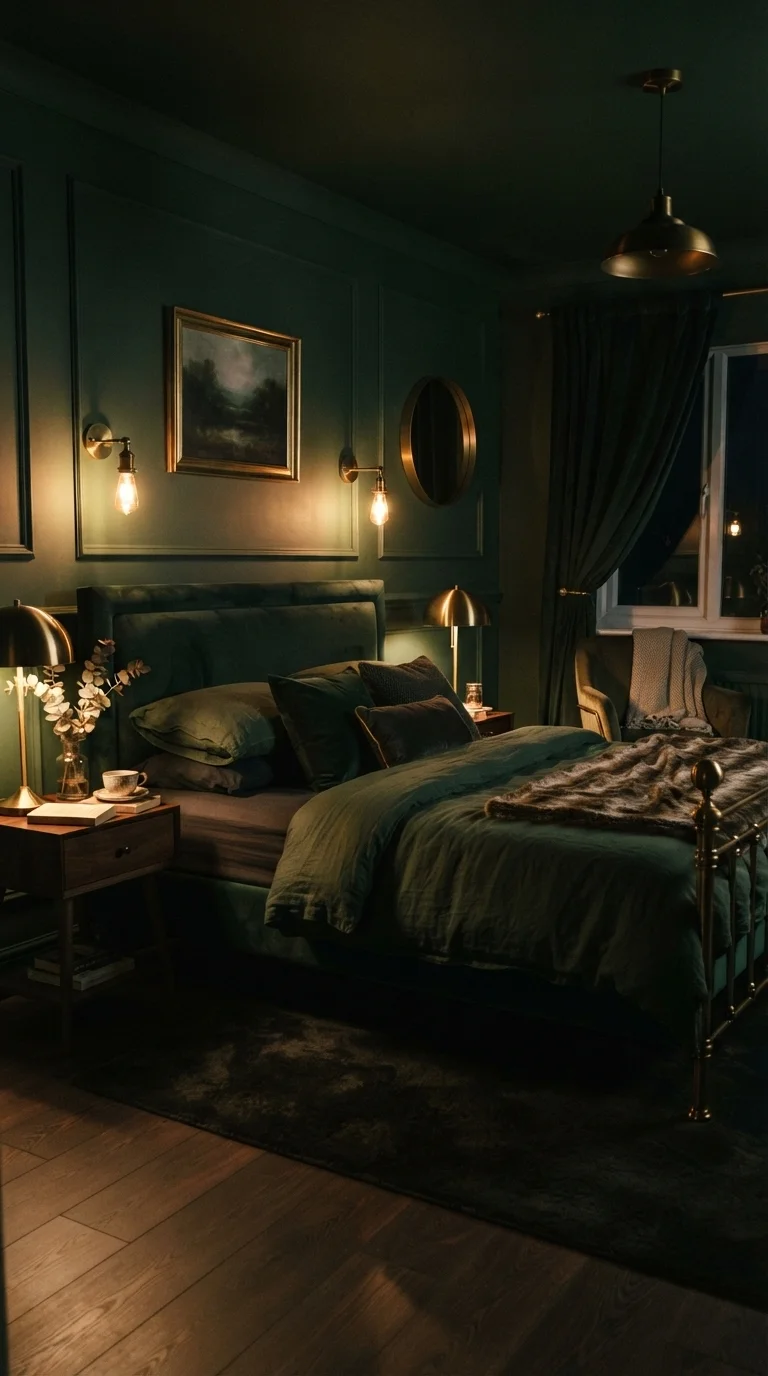
While bright and airy is classic, 2026 is seeing a shift toward moody, atmospheric colors that cocoon the room. Deep forest green, navy blue, or even a rich charcoal can turn a standard bedroom into a sophisticated retreat. When using dark paint, ensure your lighting strategy is on point. Use multiple sources, such as bedside lamps with warm bulbs and perhaps a floor lamp, to create pools of light rather than relying on a single overhead source. Dark walls are perfect for highlighting artwork or metallic accents, making the space feel like a high-end boutique hotel suite.
9. Personalized Gallery Walls with Meaning
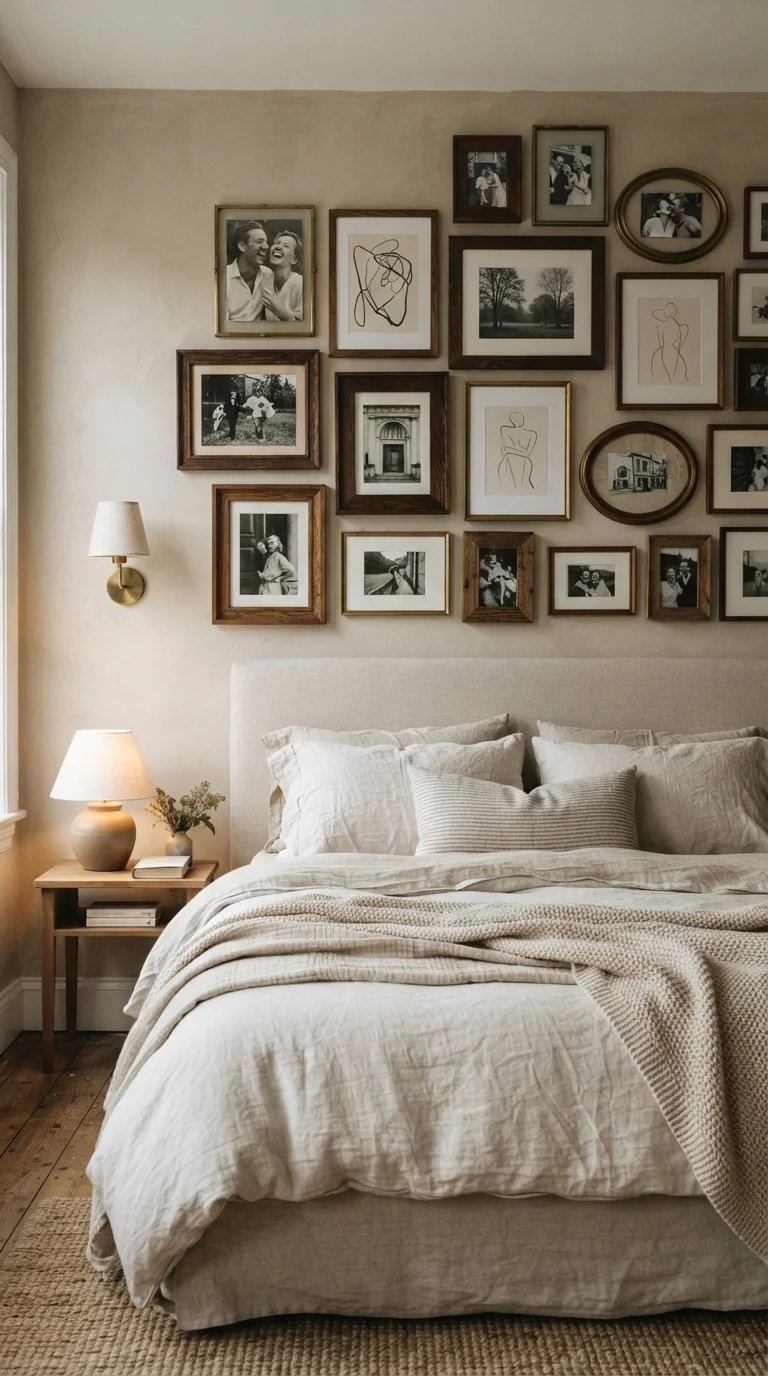
A bedroom should be your most personal space, and a curated gallery wall is the best way to showcase your story. Move away from mass-produced prints and instead frame items that hold meaning: sketches from travels, black-and-white family photos, or even pressed flowers. Use a mix of frame styles—perhaps some thin gold metal frames alongside warm wood—to keep the look interesting but cohesive. The key to a successful gallery wall is to lay it out on the floor first to test the composition before hanging. This personal touch ensures your space feels entirely yours, grounded in memories rather than trends.